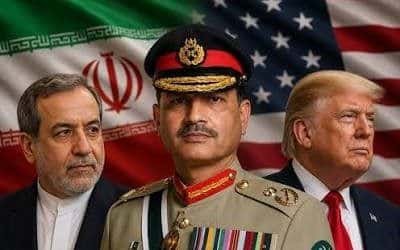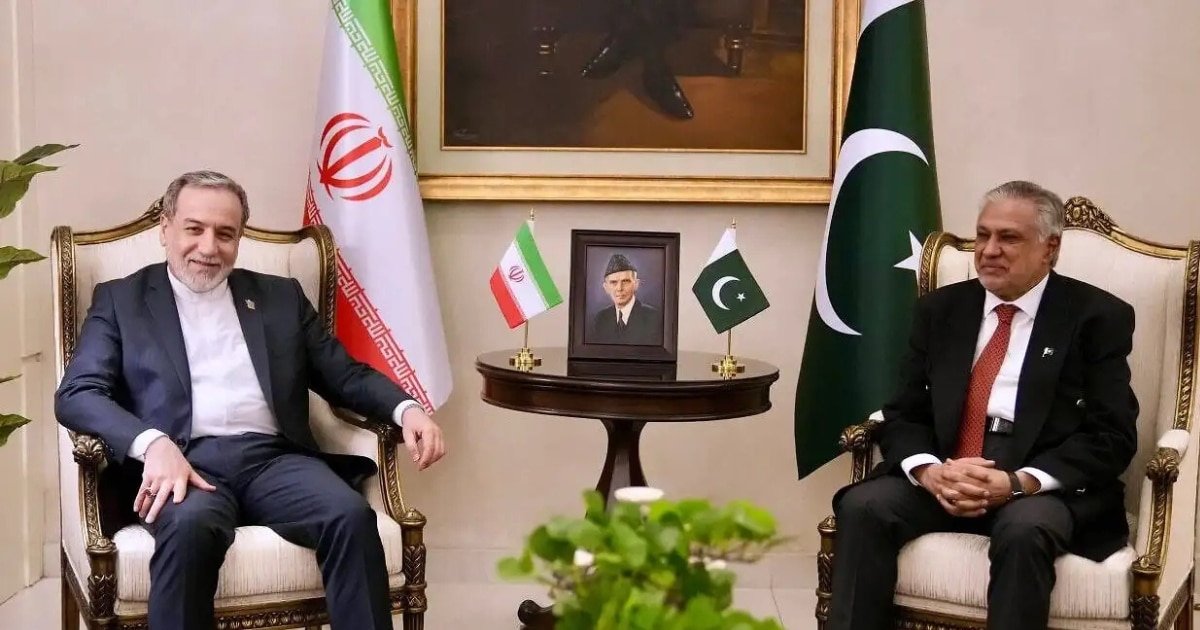


ISLAMABAD, May 4 — Deputy Prime Minister and Foreign Minister Ishaq Dar held a high-level telephonic conversation with Iranian Foreign Minister Abbas Araghchi to review the evolving regional security landscape. During the late Sunday night call, both leaders discussed Pakistan’s active diplomatic role in bridging the gap between Tehran and Washington. Minister Araghchi expressed appreciation for Pakistan’s sincere mediation efforts and its constructive role in facilitating communication between the conflicting parties. Mr. Dar reiterated that dialogue and diplomacy are the only sustainable methods for achieving long-term stability and resolving the current regional deadlock.
Deputy Prime Minister / Foreign Minister Senator Mohammad Ishaq Dar @MIshaqDar50 held a telephonic conversation late last night with the Foreign Minister of Iran, Seyed Abbas Araqchi @Araghchi.
Discussion focused on regional situation and Pakistan’s ongoing diplomatic efforts… pic.twitter.com/B5PN7DhnEN
— Ministry of Foreign Affairs – Pakistan (@ForeignOfficePk) May 4, 2026
Quick Facts
- Ishaq Dar and Abbas Araghchi discussed ongoing peace efforts in a late-night call.
- The U.S. has reportedly delivered its response to Iran’s 14-point peace plan via Pakistan.
- Tehran is currently reviewing the American feedback on its proposed roadmap.
- U.S. President Donald Trump described current discussions as “very positive.”
- The proposal includes a 30-day timeline to end the blockade and reopen the Strait of Hormuz.
- The plan suggests three phases, covering security guarantees and nuclear enrichment limits.
This diplomatic contact follows reports that the United States has officially responded to Iran’s new peace proposal. According to state media, the message was conveyed through Pakistani channels, highlighting Islamabad’s central role as a neutral intermediary. The proposed 14-point plan seeks to transform the current ceasefire into a permanent end to hostilities within a month. It includes provisions for a non-aggression pledge involving regional players, the clearing of sea mines by Iranian teams, and the gradual lifting of economic sanctions and the naval blockade.
The potential agreement also touches upon nuclear infrastructure, with a proposed return to specific uranium enrichment levels under a “zero-storage” principle. In exchange, the plan requires a commitment from the U.S. and its allies to refrain from strikes against Iranian interests. Foreign Office officials stated that Pakistan remains dedicated to facilitating these complex negotiations to prevent a return to full-scale conflict. The state continues to advocate for a comprehensive security system that integrates all Middle Eastern neighbors to ensure lasting peace and the restoration of global shipping lanes.
You May Like To Read: President Zardari Returns Following Successive Strategic Agreements in China
Check out our latest video: