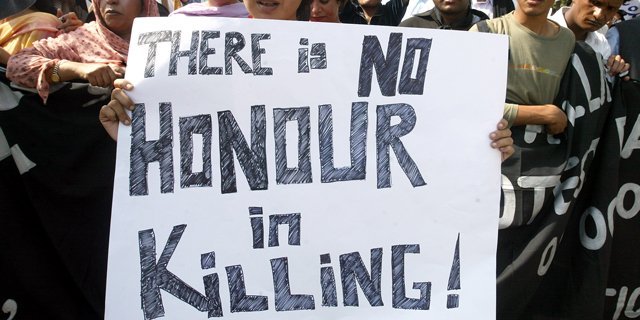





In Pakistan, honor killings remain one of the most brutal forms of gender-based violence. Women—often killed by male relatives—are accused of bringing shame on their families. Despite legal reforms, the justice system offers weak deterrence, and survivors are denied accountability.
Honor killings stem from patriarchal beliefs that tie family “honor” to a woman’s behavior. Women are criminalized even in the absence of proof, while the law devalues their testimony. The legal system, shaped by male authority and cultural bias, empowers men to police and punish women, with impunity often backed by the state.
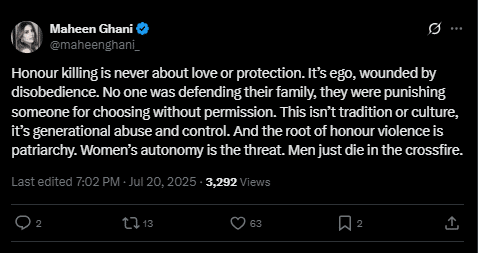
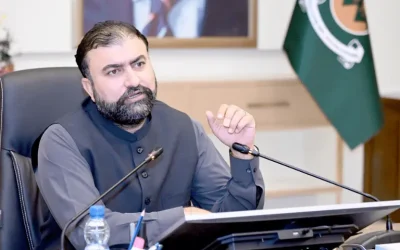
Source: X/@maheenghani_
Colonial Legacy and the Qisas-Diyat System
British colonial law tolerated male violence under the pretext of “grave and sudden provocation.” Pakistan inherited this rationale. In 1990, Islamic principles of qisas (retribution) and diyat (blood money) were codified into law, turning murder into a private offense. The victim’s heirs (wali) could forgive the killer or accept compensation. In honor killings, the killer is often a family member—allowing families to “forgive themselves.”
Sections 309 and 310 of the Pakistan Penal Code enable this forgiveness. Section 313 excludes women from acting as wali in certain cases, further consolidating male authority. Section 338F allows judges to interpret Islamic injunctions without clear guidelines. This has led to rulings that favor perpetrators, as seen in Ghulam Yasin v The State (1994).
Reforms in 2004 and 2016
A December 2004 reform criminalized murder committed on the pretext of honor and barred the killer from inheriting from the victim. A minimum 10-year sentence was introduced. However, the law still permitted forgiveness and did not abolish the grave-provocation defense or require courts to identify honor motives explicitly.
In 2016, Parliament introduced life imprisonment for honor killings—even when forgiven by the family. Yet judges retain discretion under “fasad-fil-arz” (mischief on earth) to reduce sentences. Parallel justice systems such as jirgas and panchayats, which often endorse or orchestrate honor killings, remain active and largely unpunished.

Source: X/@Xumtazsajidi
Reported Honor Killings in Pakistan (HRCP Data)
| Year | Total Cases | Female Victims | Male Victims |
| 2022 | ~590 | — | — |
| 2023 | 490 | Majority | — |
| Jan–Nov 2024 | 346 (≈390) | ≈ 392 | ≈ 185 |
Data from the Human Rights Commission of Pakistan (HRCP) suggests that in 2024 alone, over 390 women and around 185 men were killed in honor-related incidents. However, Human Rights Watch (HRW) and HRCP both estimate that actual numbers exceed 1,000 annually, as many cases go unreported or are misclassified.
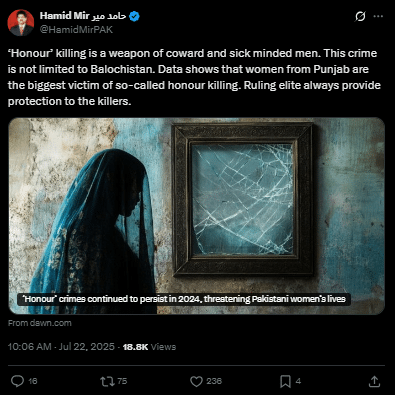
Source: X/@HamidMIrPAK
Systemic Failures in Prosecution
Honor killings are rarely punished. Police often view them as family matters rather than criminal acts. Prosecutors frequently accept withdrawn complaints or reconcile cases before trial. One survey reported conviction rates as low as 2%.
While HRCP notes that 85–90% of suspects are arrested, most cases never lead to verdicts. Courts drop charges once forgiveness is recorded, and the state rarely steps in to continue prosecution.
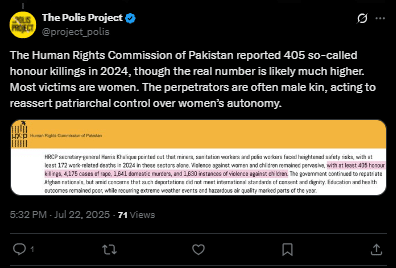
Source: X/project_polis
Recent Cases Highlight State Inaction
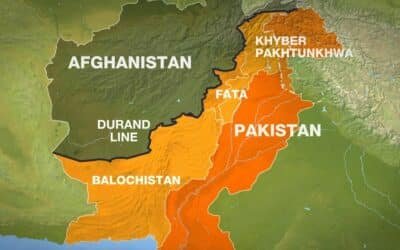
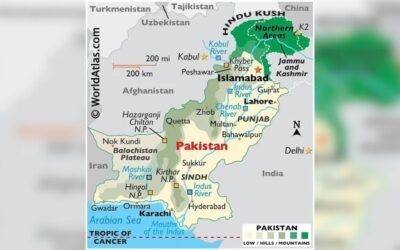
In July 2025, a couple in Balochistan was murdered on video under the orders of tribal elders for marrying without consent. Police arrested the suspects, but HRCP emphasized that at least 405 honor killings occurred in 2024, with little justice served.
Earlier in the same month, a father shot his 16-year-old daughter after she refused to delete her TikTok account. The family initially reported the incident as a suicide. HRW reiterated that roughly 1,000 women are killed each year in honor-based attacks in Pakistan.
Analysis: Why the Laws Still Fail
- Legal Loopholes: Qisas-diyat provisions allow family forgiveness. The grave provocation defense persists. Courts rely on vague concepts of “honor.”
- Judicial Bias: Judges sometimes excuse violence based on personal interpretations of Islamic law, prioritizing male authority over justice.
- Weak Enforcement: Police often avoid charging suspects under honor crime laws, and prosecutors lack both the necessary support and the intent to pursue cases.
- Parallel Systems: Tribal and feudal jirgas continue to operate despite Supreme Court rulings declaring them unconstitutional.
What’s the Way Forward?
- Honor killings must be treated as crimes against the state, not private matters.
- The qisas-diyat loophole must be closed. Prosecution should continue regardless of forgiveness.
- Police, prosecutors, and judges require gender-sensitivity training and accountability mechanisms.
- Jirgas and panchayats must be criminalized and their rulings invalidated by law.
- Public campaigns must challenge the notion that women are property or bearers of honor.
Honor killings persist in Pakistan because laws reflect patriarchal power, not justice. Although reforms have been implemented, their implementation remains weak, and social complicity remains strong. When perpetrators walk free, families pardon themselves, and courts excuse the violence—Pakistan sends a chilling message: a woman’s life is negotiable. Real change demands not just new laws, but a transformation of social attitudes, state resolve, and the very definition of justice.