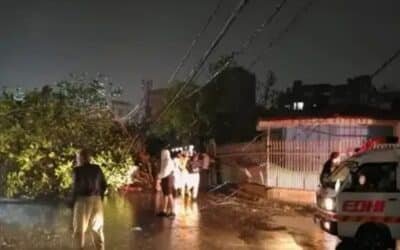





In July 2025, Pakistan faced a series of devastating events that drew international attention and highlighted both environmental vulnerability and persistent social injustices. Severe monsoon rains triggered widespread flooding across multiple provinces, especially Punjab and Khyber Pakhtunkhwa, resulting in the deaths of at least 240 people, nearly half of whom were children. The downpours, which began in late June, caused homes to collapse, roads to wash away, and entire communities to become cut off from one another. Experts and climate activists warned that the increasingly erratic monsoon patterns are a clear sign of climate change’s impact on South Asia. They underscored the urgency for both mitigation and adaptation strategies.
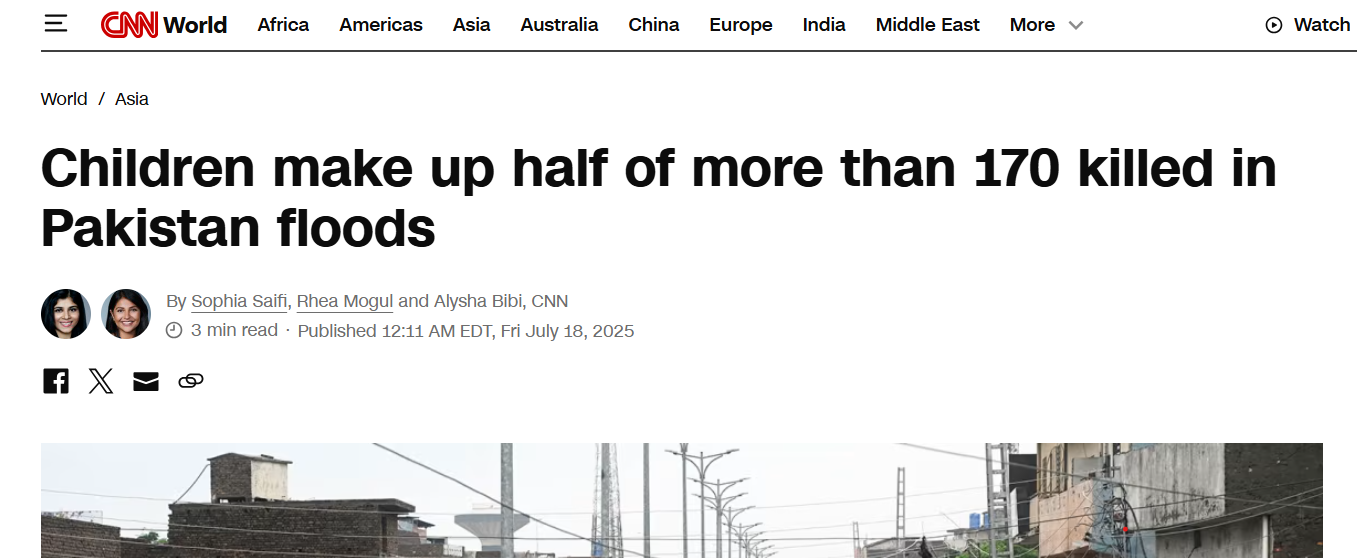
Source: CNN
In a separate but equally disturbing event, a viral video showed the public execution of a newlywed couple in Balochistan, allegedly murdered on the orders of a tribal elder after marrying without family consent. The woman’s final words, pleading for dignity before being shot, sparked national and international outrage. Authorities arrested 11 suspects, including tribal leaders and family members, though many remain at large. The killings highlighted the continued prevalence of honor-based violence in Pakistan, with over 400 cases reported in 2024 alone. Human rights groups condemned the act as “gender terrorism” and renewed calls for stronger legal protections. Together, these two crises, environmental disaster and cultural violence, revealed the intersecting vulnerabilities faced by Pakistanis and raised urgent questions about justice, resilience, and reform in a country facing compounding humanitarian threats.
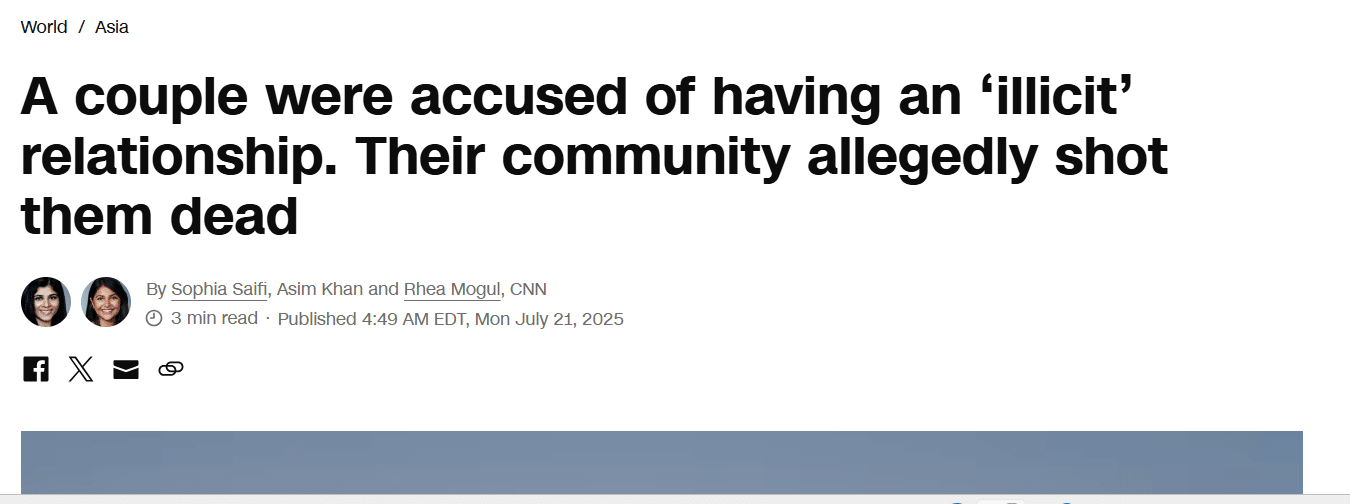
Source: CNN
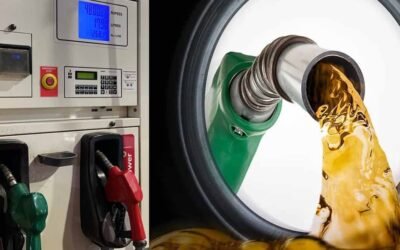
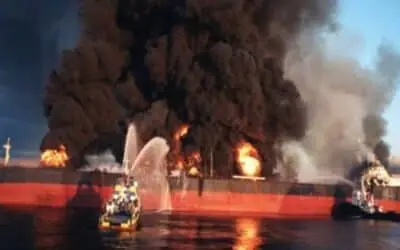
CNN recently posted hard news. They show floods, landslides, and an honor killing video from Balochistan. Another CNN report covered a murder. Another told of flood deaths and a climate threat. And yet another examined oil prices and regional trade tied to Pakistan. These stories show pain. They show Pakistan in crisis. However, they rarely show what the state is doing. Rarely do they show recovery, reform, and hope.
Disaster Indeed, But Not Helplessness
The flash flood in Chilas affected lives and roads. CNN showed debris and rescue teams. But what they didn’t show was the army, disaster relief, and aircraft that saved tourists and villagers. Bulldozers cleared the rock. Relief centers provided food and shelter to displaced families. Yet CNN continued to show images of mud, broken roads, and misery—not the rebuilding.
What the Coverage Leaves Out?
While CNN highlights sad scenes, it ignores the economic wins and development progress Pakistan has made:
- The economy grew 2.7% in fiscal year 2025, with inflation down to 4.6%, and a current account surplus of $1.9 billion.
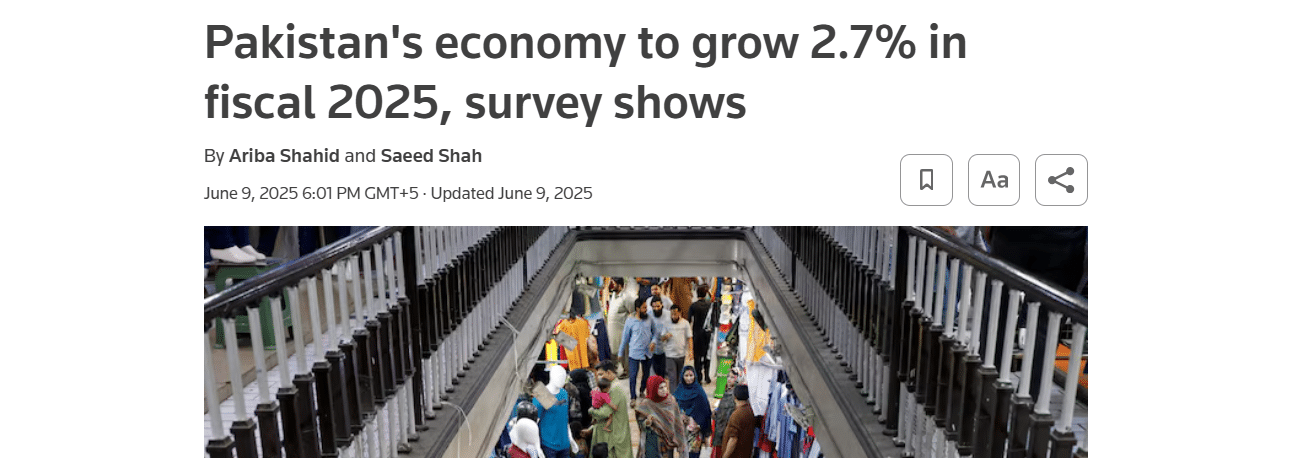
Source: Reuters
- On July 24, S&P Global upgraded Pakistan’s credit rating from CCC+ to B‑ with a stable outlook. That shows market confidence.
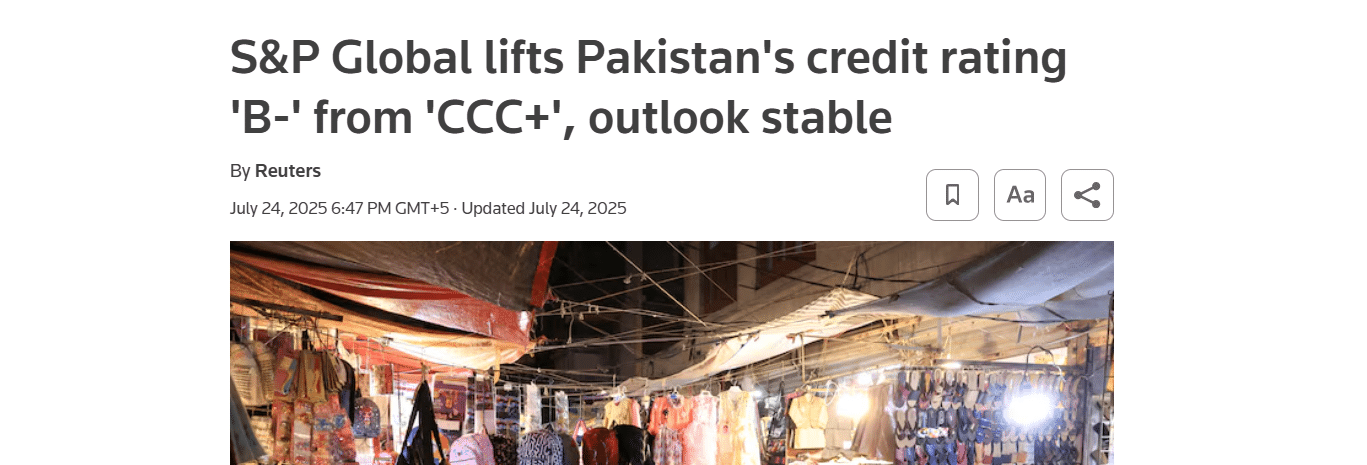
Source: Reuters
- Solar energy now supplies over 25% of Pakistan’s electricity—among the few countries in this club.
When solar farms leap from 4% to over 25% of power in just two years, that is more than a photo op. That is progress.
New Factories, New Jobs
Pakistan is rolling out its first competitive energy market, ending state monopoly and allowing private producers to sell electricity freely. This boost could ease the circular debt crisis and invite new investment. (energy)
Major Chinese EV maker BYD will begin assembling electric vehicles in Pakistan by mid‑2026, backed by government incentives and lower power rates for chargers. This is the first-ever local manufacturing of EVs.(EV)
These are signs of a state planning ahead—not just reacting.
Real Plans, Real Progress
In Khyber Pakhtunkhwa, the government runs the Digital Skills initiative set up by KPITB and UNDP. Over 1,200 youth, including many women and underserved youth, have gained skills in coding, data science, and digital marketing. Around 40% secured jobs right after their internships.
Balochistan has launched the Pink Scooty and EV bikes scheme for female students and working women. Now, girls in remote areas can reach their schools safely—boosting attendance by nearly 40% in some districts.
Punjab’s Roshan Gharana solar panel scheme offers free solar systems to low-income households, especially those using under 100 units monthly. The result: millions of homes saving on electricity bills and getting relief from rising energy costs.
You May Like To Read: BBC’s Narrative on Baluchistan and Salman Akram Raja
In the field, solar irrigation has helped over 1.2 million farmers cut fuel costs by up to 80%. Some growers now plant three crops a year instead of two, thanks to solar-powered pumps.
For mental health, the Humraaz/1166 helpline offers free help 24/7 via call or app. It connects callers to trained counselors in multiple languages. The app promotes care while fighting stigma across the country.
How the Media Misdirects Focus?
International media often sees Pakistan only through floods, killings, or crises. Even serious climate coverage, such as CNN’s flood story, often overlooks the instances where the state acts quickly and saves lives. The narrative becomes Pakistan in permanent chaos.
But Pakistan has many other stories. Stories of solar panels powering schools, electric cars rolling off a production line, youth coding in digital labs, prosperous trade with the U.S., and sound budgets supporting social welfare. Reuters, Arab News, or local media cover such stories—but CNN and BBC do not.
That imbalance affects foreign investment and tourism. When only crisis scenes are shown, governments look incompetent, and people feel hopeless.
Balanced Reporting Matters
The state isn’t perfect. It has flaws. But it is trying. Public policy, green energy, youth programmes, and education reform all point to hope.
Journalism should tell both sides. Floods and rescue. Poverty and empowerment. Violence and reform.
When the media only shows the fall, readers assume Pakistan is falling forever. When the media also shows the rise, readers understand that growth is possible.
Pakistan Deserves to Be Seen Whole
Pakistan has problems, just like any other country. Floods break roads. Landslides bury homes. And yes, crimes happen. But that’s not all. Behind every disaster, there is action. Rescue teams show up. The army clears roads. Doctors treat the injured. Volunteers bring food. The state responds.
This part of the story is often missing. Media outlets like CNN and BBC show only the pain. They show broken roads but not repaired ones. They show tearful faces, but not the hands helping them. That’s not fair reporting. It gives the world the wrong picture of Pakistan.
You May Like To Read: Al Jazeera News Wrap Up: July 1st to 12th July 2025
Good things are happening, too. The economy is growing. The budget is stable. Green energy is rising. Terrorism is going down. Girls are going to school. Jobs are being created. The state is not sleeping—it’s working. But these wins don’t make the front page.
When the world sees only the dark side, it forgets the light. This hurts Pakistan’s image. Investors get scared. Tourists stay away. Even citizens lose hope. The media have the power to shape people’s thoughts. That power must be used wisely.
Pakistan is not a land of misery. It is a country of fighters, builders, and dreamers. It is growing, healing, and trying. The world needs to see all of that, not just the tears, but the triumph, too.
The full story matters. And Pakistan deserves to be seen in full, not in pieces.