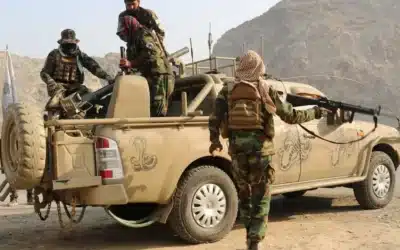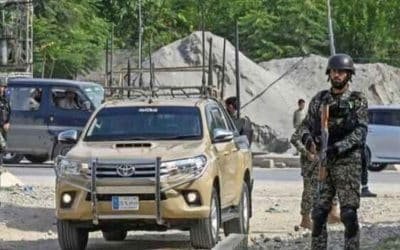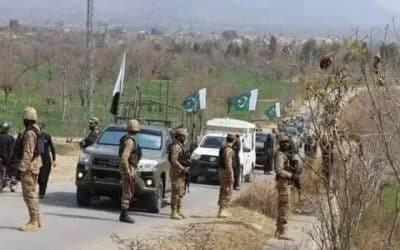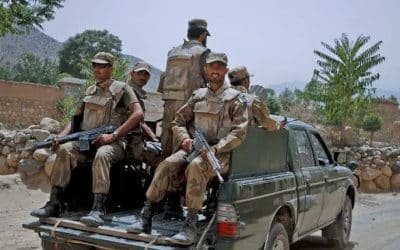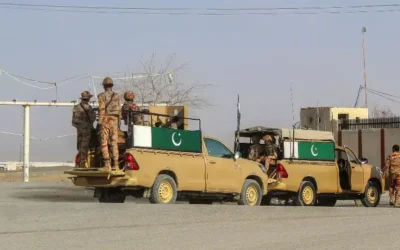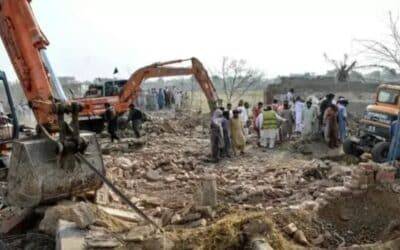




After the war on terror, Pakistan stands at a critical juncture. Having endured decades of violence, the country had learned some hard lessons. Most importantly, they have come to realize that extremism cannot be countered by force alone. While military operations have been successful, counter-terrorism efforts need to take a broader approach. Classroom communities, online spaces, and places of worship need to be deradicalized. What the country needs is a new social contract. It needs to focus on unity, tolerance, and interfaith harmony. Only through long-term resilience in curriculum and digital policy could Pakistan look forward to a peaceful future. This article looks over some of the sectors that need government attention if extremism is to be targeted at the root.
Reference: Voa
Education Reform: The Frontline of Prevention
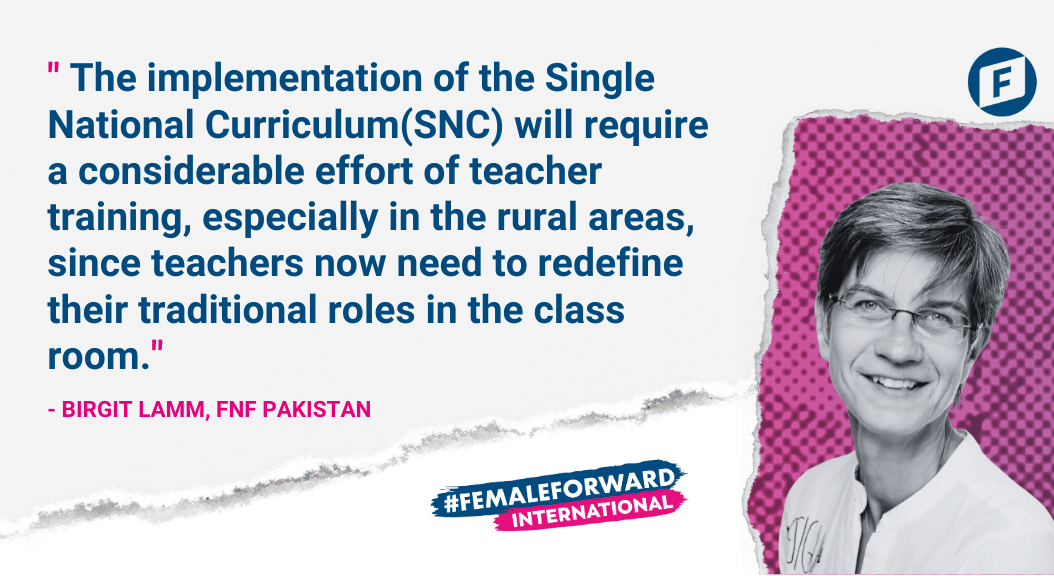
Extremism often stems from polarization. Polarization can stem from differences in opinion or faith. The issue arises when this escalates to violence. In the absence of critical thinking, the youth are susceptible to radicalisation. Over 64% of Pakistan’s population is under 30 and thus, vulnerable to these narratives. Therefore, classrooms are another battleground the State needs to tackle. The country’s outdated curriculum is an issue. Measures have been taken to address this issue. The Single National Curriculum (SNC) was introduced. However, it had many imperfections and was met with widespread criticism. Despite this, it showcases an effort to bridge the education divide between private, public, and madrassa systems.
You May Like To Read: Pakistan’s War on Terror: A Ground Reality Check
The SNC can serve as the foundation from which better, more holistic projects could emerge. The government has also expanded teacher training programs. There is now more focus on empathy-driven teaching. Furthermore, digital initiatives like the Taleemabad app are an attempt to provide education to rural populations. This could help in breaking the influence of extremist propaganda in these regions. For Pakistan, education is not as simple as academic instruction. Instead, it is a vital tool in the State’s offensive against extremism.
Reference: Friedrich Naumann Foundation
Digital Policy
With the widespread use of digital platforms, online spaces are both a threat and an opportunity. Extremists no longer need to spread their ideologies physically. Rather, they are now capable of propagating it through chat rooms or anonymous Twitter handles. Pakistan has been quick to recognize this. Immediate countermeasures have been taken to counter growing radicalisation. The Prevention of Electronic Crimes Act (PECA) has equipped the state with tools to counter online hate speech, cyber- terrorism, and sectarian propaganda. The State is also prioritising digital engagement instead of just focusing on censorship online. NACTA has also launched counter-narrative campaigns online. They have used art, humor, and storytelling to reclaim online spaces from extremists.
Digital inclusion for women and youth in rural areas has also been approached. Through the “Digital Pakistan” initiative, thousands of Pakistanis are being equipped with coding, cybersecurity, and media literacy skills. By providing knowledge about the digital world, these programs are making the online world safer. Tech-smart citizens are less likely to fall prey to manipulation. The war against terrorism needs to be addressed on digital fronts as well. Pakistan is one of the leading countries in the Muslim world that is taking such future-focused initiatives.
Interfaith Harmony: Reviving the Spirit of Jinnah
Pakistan was built with a futuristic vision. Muhammad Ali Jinnah had declared that whatever business the people practiced or whatever caste they were had “nothing to do with the business of the state.” Unfortunately, this vision has long been forgotten under decades of religious intolerance and sectarianism. The State has finally decided to overturn the growing divide.
You May Like To Read: A Nation’s Struggle for Peace: Terrorism’s Toll on Pakistan
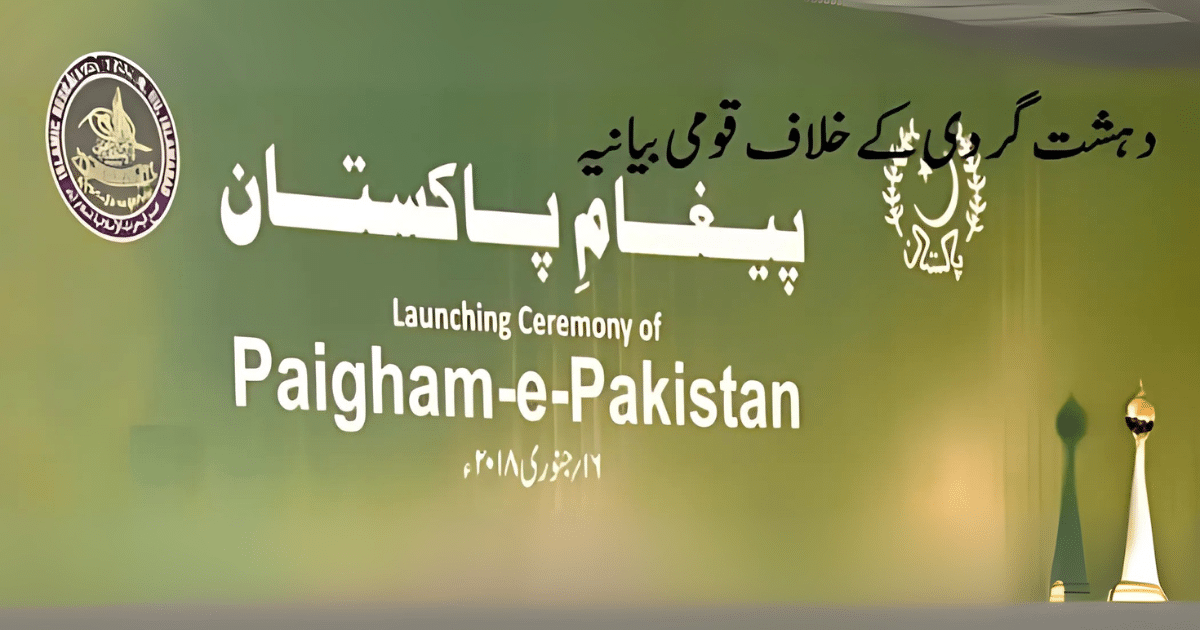
The National Action Plan (NAP) was introduced in 2015. It emphasized the role of interfaith harmony in strengthening the domestic security strategy. Legal protections were provided for minority worship sites. Hate speech against these groups was also prosecuted. Many religious sectors from various sects have come together under the Paigham-e-Pakistan initiative. This was a state-backed fatwa that collectively renounced terrorism and declared it un-Islamic. Such religious messaging is crucial in a country where religion holds significant sway. However, more efforts are required. There needs to be more focus on the root level if extremism is to be eliminated.
Discrimination against minorities should be curbed, and they should be allowed equal access to justice, employment, and health. Nevertheless, it is a positive step that the State has recognized things that need to be changed. Interfaith harmony is no longer a state agenda, but a part of national security policy. This shift in mentality is promising for Pakistan’s future.
Community Resilience: The Bedrock of a Peaceful Future
In the end, it comes down to grassroots community resilience. Extremism tends to thrive in regions faced with socio-political neglect. Hence, it is necessary to provide these communities with social and economic opportunities. Reforms that address their problems should also be implemented. The Ehsaas initiative is a step in the right direction. It is the country’s largest poverty reduction scheme. The aim is to provide cash payments, vocational training, and nutritional support to vulnerable groups in society. Sport and cultural events are also being gradually reintroduced in previously militant-occupied areas, such as Swat and South Waziristan.
Women’s engagement in peacebuilding is yet another field where Pakistan is gaining ground. Organizations such as Aware Girls in Khyber Pakhtunkhwa are empowering young women to serve as peace educators in their local communities. These programs not only seek to combat extremism but also to cultivate a culture of democratic participation and localized conflict resolution. The state is also investing in provincial government institutions to enable communities to be stakeholders in their security. Training programs for local leaders in conflict management and social mediation have already started paying dividends in Balochistan and the tribal tracts. With the State’s cooperation, communities are more likely to respond with loyalty instead of revolt.
You May Like To Read: Between Truth and Terror: Media Under Siege in Pakistan
Conclusion: Toward a Pakistani Model of De-Radicalization
Pakistan’s journey against terrorism is still ongoing. Nonetheless, there has been progress. It is no longer a country that only employs force to counter extremism. Instead, it has taken control of the narrative. By educating youth, introducing digital policies, and bridging religious divides, it is set on the path towards peace. International commentary tends to focus on Pakistan’s missteps. Hence, it is necessary to bring attention to the country’s civilian-focused initiatives introduced to counter terrorism. The country has reached this point after immense sacrifice. The need for inclusivity and religious tolerance is clearer than ever. National security is not something secured on the front lines. It needs to be established within classrooms and online platforms as well. Sectarian differences must be overcome through an empathetic response. Only through coherence and competence can extremism be fought completely. The future depends on a pluralistic and harmonious society. And in that future, extremism will find no home.