


The war in Ukraine has triggered global shifts in trade, energy, and diplomacy. For Pakistan, a country already navigating economic instability, the war has amplified fuel price volatility, intensified inflation, and pushed Islamabad into a delicate balancing act between major global powers. These effects are neither superficial nor temporary. They’re reshaping Pakistan’s economic trajectory and forcing new calculations in its foreign policy.
Pakistan’s Chief of Army Staff (COAS) at Military Test Site Kharkiv region of Ukraine.
Pakistan is looking forward to def cooperation with Ukraine incl Transfer of Technology (ToT) & Joint Ventures. pic.twitter.com/Y5ZKLvKStU— Farzana Shah (@Jana_Shah) May 20, 2021
Pakistan’s Energy Dependency
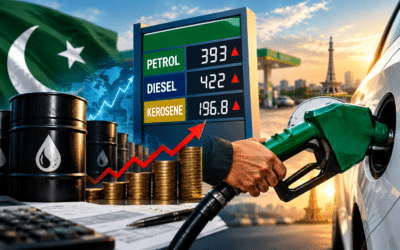
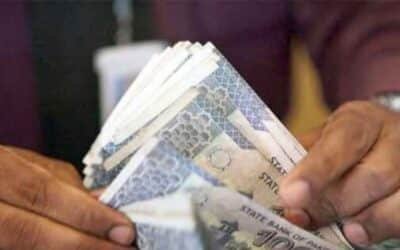
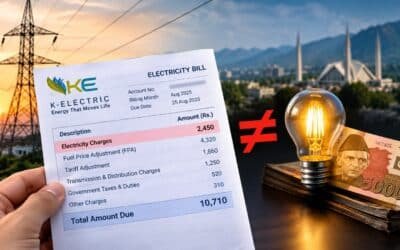
Pakistan imports more than 80% of its energy requirements. Crude oil, LNG (liquefied natural gas), and petroleum products account for a significant portion of the country’s current account deficit. In the fiscal year 2022–23, Pakistan spent $17.5 billion on petroleum group imports alone, according to the Pakistan Bureau of Statistics. Any external shock in global fuel markets has immediate consequences for domestic prices and the value of the rupee.
Impact of Ukraine War on Global Energy Prices
Russia’s invasion of Ukraine in February 2022 disrupted global energy supply chains. Sanctions on Russian oil and gas triggered panic in European markets, leading to a surge in demand for LNG from alternative suppliers like Qatar, Australia, and the United States. That increased competition drove prices up.
In 2022, global LNG spot prices surged to over $70 per million British thermal units (MMBtu), particularly in the European and Asian markets. Pakistan, which relies on spot LNG cargoes to meet its demand shortfalls, found itself priced out of the market. Multiple government tenders for LNG deliveries went unanswered or were quoted at unaffordable rates. In July 2022, Pakistan failed to attract even a single bid for an LNG tender.
Domestic Consequences
With energy prices spiking, the knock-on effect was visible across the Pakistani economy:
| Indicator | 2021 | 2022 | 2023 |
| Petrol Price per Liter (PKR) | 123 | 248 | 272 |
| Headline Inflation (YoY %) | 9.5% | 25% | 28.3% |
| Trade Deficit (USD billion) | 30.9 | 48.4 | 27.6 |
The increased fuel import bill widened the fiscal deficit and accelerated inflation. High diesel and petrol costs directly affected food prices due to elevated transportation costs. Industries heavily reliant on energy, such as textiles and manufacturing, faced production cuts, job losses, and reduced exports.
You May Like To Read: How the US-China Rivalry Is Blocking South Asia’s Economic Future
Meanwhile, power shortages worsened as gas-fired power plants went offline or switched to expensive alternatives. Scheduled load-shedding became the norm across major cities.
Diplomatic Fallout and Realignment
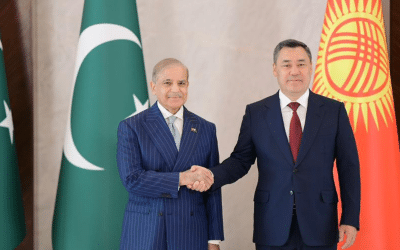
Beyond economics, the Ukraine war placed Pakistan in an uncomfortable diplomatic position. On one side stood traditional Western allies, especially the United States and the European Union, who pushed for support of Ukraine and sanctions against Russia. On the other hand, Pakistan’s growing relationship with Russia and China is primarily through regional platforms like the Shanghai Cooperation Organization.
Minister of State for Petroleum Dr. Musadik Malik says Pakistan will import cheap oil from Russia next month to facilitate general public. pic.twitter.com/7SEIINY23t
— Startup Pakistan (@PakStartup) April 2, 2023
In March 2022, then-Prime Minister Imran Khan made a controversial visit to Moscow on the day Russian forces invaded Ukraine. Although the visit was planned in advance and largely focused on energy cooperation, its timing raised eyebrows. Western officials urged Islamabad to condemn the invasion. Pakistan abstained from UN resolutions critical of Moscow and maintained a neutral stance, calling for dialogue and de-escalation.
By 2023, Pakistan began importing Russian crude oil under a new deal. In June 2023, the country received its first shipment of 100,000 metric tons of Russian crude via the port of Karachi. Payment was made in Chinese yuan, signaling a shift in trade currency preferences and a move away from dollar-dominated transactions.
Pakistan places first order for Russian oil – official
Details: https://t.co/qPrlx0LAPb pic.twitter.com/XX0CnWdF6p
— RT (@RT_com) April 21, 2023
While these oil imports offered some relief, the quality and refining compatibility of Russian crude were debated by domestic analysts. Nonetheless, it marked the beginning of Pakistan’s deeper energy engagement with Moscow, something that would have been politically sensitive a decade earlier.
Pressure from the West
The decision to import Russian oil wasn’t without risks. Pakistan faced diplomatic pressure from the West, particularly the United States, over closer energy ties with Russia. However, Islamabad maintained that these purchases were legal, conducted outside of sanctions frameworks, and essential to stabilizing its energy economy.
Western capitals have mostly avoided public confrontation on the issue. Unlike India, which openly expanded its Russian oil imports, Pakistan took a cautious approach, importing limited quantities and exploring barter-based trade to avoid secondary sanctions. But the message was clear: energy needs were overriding ideological alliances.
You May Like To Read: Pakistan Produces 14.24 Million Mobile Phones in First Half of 2025
Strategic Takeaways
Pakistan’s experience with the Ukraine war underscores a broader shift in global power dynamics. Middle-tier states like Pakistan are being forced to diversify economic and diplomatic strategies in a world where old alliances are no longer guarantees of support.
Several trends are now visible:
- Energy Diversification: Pakistan is accelerating its search for affordable, long-term LNG contracts. Recent talks with Azerbaijan, Qatar, and Iran suggest a shift toward more flexible and secure supply chains.
- Currency Realignment: The use of the yuan in trade with Russia and consideration of similar deals with China could dilute Pakistan’s dependence on the US dollar. This may improve resilience but also introduces new vulnerabilities.
- Multipolar Diplomacy: The crisis has pushed Islamabad to refine its balancing act. Pakistan is now engaging with multiple powers—not out of ideology but necessity.
- Domestic Fragility: High fuel prices have a direct and disproportionate impact on poor households. Without structural reform and targeted subsidies, Pakistan risks deeper social unrest.
The Ukraine war may feel geographically distant, but its consequences for Pakistan are deeply local. Rising fuel prices, disrupted trade, and a recalibrated foreign policy are all part of the fallout. In a world of shifting alliances and fractured supply chains, Pakistan cannot afford to remain a passive observer. It must build economic buffers, rethink its energy security, and maintain a diplomatic posture that protects its interests without becoming entangled in proxy conflicts.
The war has taught Pakistan an expensive lesson: neutrality in global crises must be paired with proactive planning. Waiting for shocks to pass is no longer an option.