




Framing the Challenge
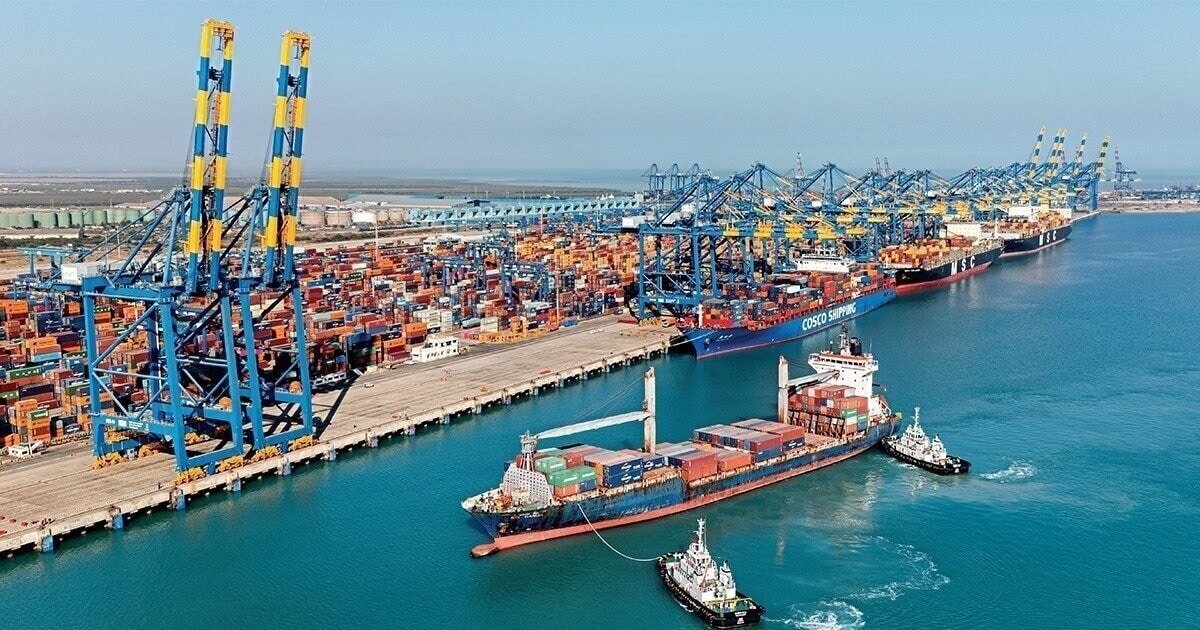
Pakistan’s export base remains narrow. Over 60% of our exports still come from textiles, especially basic cotton products. That makes us vulnerable to global shifts in demand, trade barriers, or price swings. A more diverse export mix would stabilize foreign exchange and create value-added jobs.
However, diversification needs realistic planning. That means building on existing strengths—like horticulture, engineering goods, processed food—and investing in emerging sectors such as IT and green technologies. Let’s explore how strategy, infrastructure, institutions, and incentives can work together to expand our export capacity.
Institutional Foundations
Pakistan has a policy framework in place: the Strategic Trade Policy Framework (STPF) 2020–25, which targets 18 priority sectors and seeks to make exports the national driver of growth. It includes National Priority Sectors Export Strategy (NPSES) documents for sectors like meat, processed food, engineering goods, and logistics.
Agencies such as the Export Processing Zone Authority (EPZA) and EXIM Bank of Pakistan exist to support infrastructure and finance for export-oriented firms. These institutions form the backbone for implementing a coordinated export diversification strategy.
Celebrating Pakistan’s mango excellence!#EXIMBank #Pakistan #Mangoes #KingOfFruits #AgriExports #ExportSupport #TradeFinance #MangoExports #ExportGrowth #FruitsOfPakistan pic.twitter.com/gjqTuHZaYO
— EXIM Bank of Pakistan (@EximBankPK) July 21, 2025
Sectoral Opportunities
Several non-textile sectors hold promise:
- Horticulture: PHDEC promotes the export of kinnow, mangoes, dates, and processed fruit products. Still, exports are concentrated in a few items and quality or variety gaps exist.
- Engineering goods, meat, processed food and beverages, and logistics have dedicated strategy plans under NPSES.
- Green technologies and IT have been urged as future export pillars, fitting into the Uraan Pakistan “5 Es framework—Exports, E-Pakistan (digital), Energy, Environment, Equity.
You May Like To Read: How the Ukraine War is Quietly Shaping Pakistan’s Fuel Economy and Foreign Policy
National Vision: Uraan Pakistan
Uraan Pakistan, launched in December 2024, is the five-year economic plan (2024–29) focusing on export-led growth. It aims to double exports to approximately $60 billion by 2029 and expand digital and green exports.
The plan’s 5 Es structure emphasises export diversification alongside digital transformation, energy upgrades, environmental resilience, and social equity. It underlines Pakistan’s aspiration to build a modern, globally competitive, and resilient economy.
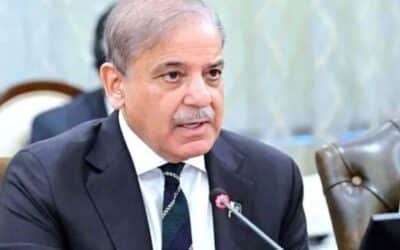
🚨 Prime Minister Shehbaz Sharif, in the presence of all key ministry figures, political parties, and representatives from all provinces, inaugurated an economic transformation model named ‘URAAN Pakistan’ which aims for an efficient export-led growth model built around the 5E’s. pic.twitter.com/Uj7BsZ1QbH
— Pakistan Telegraph (@PakInfra) December 31, 2024
Strategic Levers: Trade Deals and Mineral Projects
International agreements and new resources can offer strategic openings:
- Pakistan is finalising a bilateral trade deal with the U.S., discussing reciprocal tariffs and offering access to sectors like IT, agriculture, and minerals.
- A recent U.S.–Pakistan oil development pact includes support for tapping domestic reservoirs, reducing tariffs, and facilitating oil trade.
- The Reko Diq copper-gold project (expected to be operational by 2028) could serve as bargaining power in trade talks and potentially open new mineral export lanes.
These developments can strengthen export diversification if linked to downstream value-addition and supply-chain integration.
Recent Signals of Market Access
Some recent news items offer glimpses of strategic shifts:
- Haleon Pakistan plans local production of Centrum multivitamins and aims to capture export markets—projecting exports to cover 10% of sales within two years.
- Geopolitical tensions have affected Indian basmati exporters, while Pakistan has capitalised via barter trade with Iran, exchanging rice for petroleum without banking constraints.
These are examples of tactical advantage and value-addition boosting Pakistan’s export horizons beyond textiles.
News Headlines
- News 1: Pakistan’s finance minister visits the U.S. to finalise trade deal on IT, minerals, and agriculture.
- News 2: Reko Diq copper-gold mine may help Pakistan in U.S. tariff talks.
“With textiles contributing 60 % of our exports, we must invest in IT and green manufacturing — the future lies in diversification.” — Sajid Ameen Jawed, SDPI macroeconomist INP.
You May Like To Read: Small Loans, Big Impact: How Microfinance Is Powering Local Businesses
“Uraan aims to double our exports to $60 billion by 2029. IT, green exports, and minerals must lead the way.” — Uraan Pakistan policy summary.
What Should Pakistan Do Next?
- Align Institutions with Vision
Ensure EPZA, EXIM Bank, PHDEC, and TDAP all support Uraan and STPF goals, with clear mandates and funding. - Incentivise High-Value Sectors
Offer subsidies, soft financing, and export facilitation for IT, green tech, processed food, engineering goods, and high-quality horticulture. - Enhance Market Access
Finalise trade agreements (e.g., with the U.S.), pursue regional FTAs, and capitalise on mineral projects for leverage. - Strengthen Quality and Certification
Horticulture, meat, and processed goods must meet global standards through cold chains, labs, and branding support—a role for PHDEC and NPSES frameworks. - Promote Value-Added Processing
Move beyond raw materials. Develop pharmaceuticals, value-added agriculture, engineering components, and refined mineral products. - Monitor and Evaluate
Deploy clear metrics—export volumes, sector diversity, jobs created—and adjust policies based on real-time performance.
Conclusion
Pakistan stands at an important crossroads. Our traditional textile reliance cannot secure long-term growth. Frameworks like STPF, NPSES, and Uraan Pakistan lay the foundations for diversification into IT, green technologies, processed goods, horticulture, engineered exports, and minerals. Institutional players—EPZA, EXIM Bank, PHDEC—are in place but need to be aligned with the new strategy. Emerging opportunities like U.S. trade deals and mineral investments offer potential that must be harnessed strategically. Exports such as Centrum multivitamins and barter rice trade highlight our ability to adapt. If managed with foresight and coherence, Pakistan can move toward a resilient and diversified export economy—benefiting both national stability and shared prosperity.