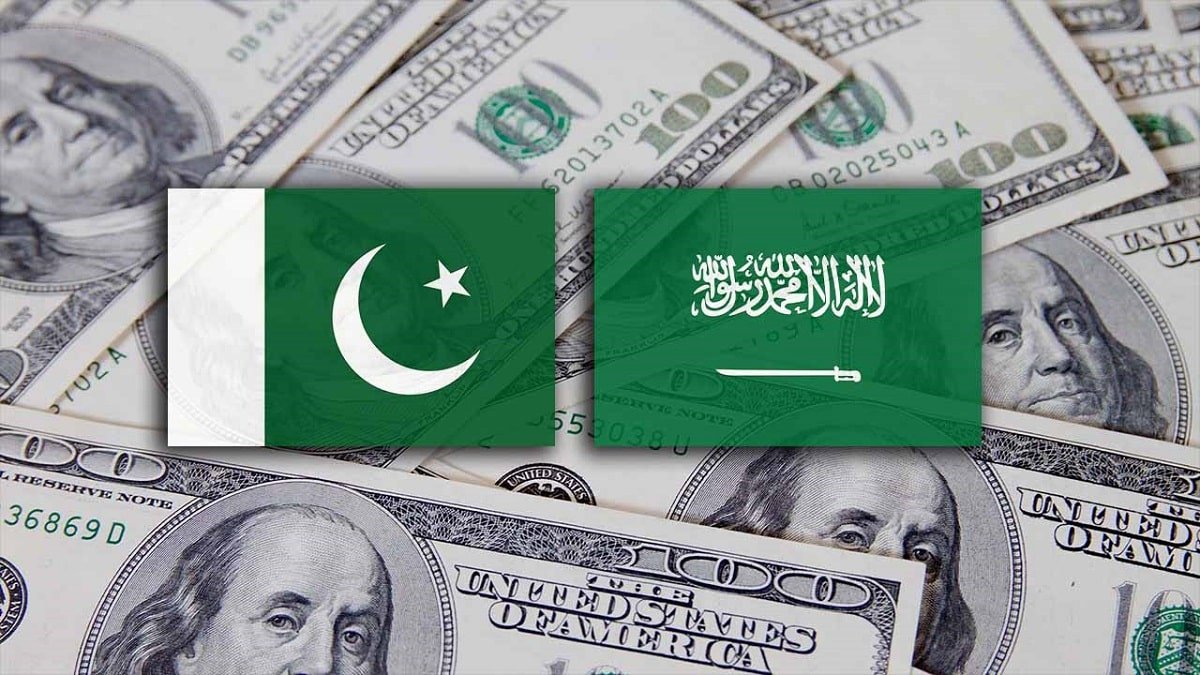





Pakistan is undergoing a financial transformation and is turning to its longtime partners, Saudi Arabia and the United Arab Emirates (UAE), for assistance. These nations have previously supported Pakistan through financial aid, investments, and by employing millions of Pakistani workers who send remittances back home.
While this support has been helpful in difficult times, Pakistan cannot rely on it forever. If the country wants economic stability, it must fix its economy, attract serious investment, and reduce its over-reliance on bailouts and remittances.
Gulf Investments: A Step Forward, But Not Enough
To attract foreign investment, Pakistan established the Special Investment Facilitation Council (SIFC), which provides investment opportunities in agriculture, energy, mining, and infrastructure. This initiative resulted in some progress: foreign direct investment (FDI) increased from $1.6 billion in 2022–23 to $1.9 billion in 2023–24 — a 17% increase.
Saudi Arabia and the UAE are also increasingly interested. Their investment in Pakistan grew from $1 million to $10 million within a year. These countries aim to broaden their global influence and lessen their dependence on oil, viewing Pakistan as a promising opportunity.
However, most of the investment still originates from China. Even Gulf interest remains cautious. During a visit in May 2024, a Saudi delegation refused to proceed with some proposed projects, stating they did not meet proper investment standards. This demonstrates that sentimental ties are insufficient; these countries seek serious, well-structured business deals that promise long-term growth.
Labour and Remittances: A Double-Edged Sword
Millions of Pakistanis live and work in Saudi Arabia and the UAE, sending home billions of dollars each year. These remittances are a significant source of foreign exchange, supporting many families.
But this setup also has risks. Changes in Gulf policies, such as encouraging local hiring or reducing the number of foreign workers, could impact Pakistani workers. To protect itself, Pakistan needs to train its workers more effectively and diversify its job market so that people can find opportunities within the country as well.
Over the years, Saudi Arabia and the UAE have provided Pakistan with short-term financial support in times of crisis. This help has stabilised the economy during difficult times, but it’s not a long-term solution.
Dependence on bailouts creates a cycle of borrowing that fails to address the core problems. Sometimes, this aid also comes with political conditions that may limit Pakistan’s independence in making economic decisions.
What Pakistan Needs to Do
If Pakistan wants long-term support and economic stability, it must:
- Improve the Business Environment
Make it easier and more reliable for investors to start and operate businesses in Pakistan. - Present Better Projects
Develop high-quality, well-planned investment opportunities that meet international standards. - Support Local Industries
Don’t over-reward foreign investors at the cost of local businesses. A balance is essential. - Diversify the Economy
Go beyond agriculture and labour exports. Focus on technology, manufacturing, and services. - Develop Skilled Workers
Invest in education and training to enable Pakistani workers to meet the demands of modern jobs, both locally and internationally. - Build Global Partnerships
Strengthen economic ties not only with the Gulf but also with other regions, such as Southeast Asia, Europe, and Africa.
Saudi Arabia and the UAE are likely to continue supporting Pakistan, but only if they see genuine value in doing so. Emotional or historical ties alone will no longer suffice. Gulf countries seek investment opportunities that provide returns and demonstrate robust economic planning.
If Pakistan can reduce its dependence on bailouts and remittances, improve its investment environment, and build a more balanced economy, it will have a real chance to secure long-term economic stability.