



A new report by the International Labour Organisation (ILO) has warned that climate change will have devastating effects on the global workforce, with low-income earners facing the steepest losses despite contributing the least to global emissions. The findings highlight an urgent need for a “just transition” to cleaner energy systems that protect vulnerable workers and ensure equitable growth.
Low-income earners across the world, who contribute just 12 per cent of global emissions, will face 75 per cent of income losses from climate-related effects. https://t.co/2BJ7wtm9xk
— Asad Ali Toor (@AsadAToor) September 25, 2025
Key Highlights
- 71% of workers worldwide were already affected by climate-related impacts in 2024.
- Low-income groups, responsible for only 12% of global emissions, risk 75% of income losses.
- Shift to clean energy could eliminate 6 million fossil fuel jobs, but generate 24 million new green jobs.
- Transition will require reskilling of 70 million workers across multiple sectors.
- Net employment impact may be +20 million jobs, with potential for 100 million created vs. 80 million lost.
- Labour forces will shrink in high-income countries but expand 30% in low-income regions by 2050.
- Persistent inequalities remain: 58% of workers still in informal jobs, gender pay gap may take 100 years to close.
Low-Income Earners Face the Brunt
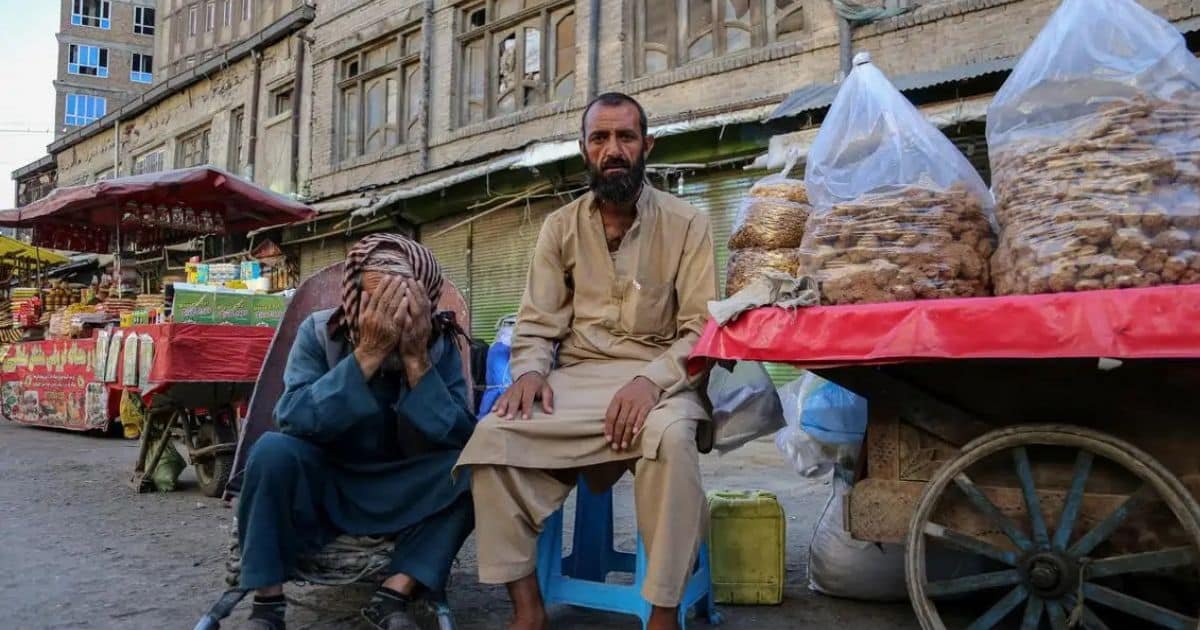
According to the report, titled “State of Social Justice: A Work in Progress”, poorer populations stand to lose the most. While their contribution to global emissions is just 12 per cent, climate impacts could strip them of nearly three-quarters of their incomes.
The ILO notes that entrenched inequalities make these groups disproportionately vulnerable, and warns that without targeted policies, environmental measures could deepen existing disparities.
You May Like To Read: IMB Highlights Polio Challenges in Pakistan, Afghanistan: GPEI Welcomes Report
Jobs Lost, Jobs Gained
The report projects that measures to keep global warming below two degrees Celsius may result in the loss of around six million jobs, mostly in the fossil fuel sector. Yet, this shift could simultaneously create as many as 24 million opportunities in renewable energy, construction, transport, sustainable agriculture, and the circular economy.
Overall, the ILO estimates a net positive of 20 million jobs, with over 100 million new opportunities emerging compared to about 80 million lost. But such a transition demands large-scale adjustments, including the reskilling and upskilling of at least 70 million workers worldwide.
Workforce Shifts Across Regions
The report foresees stark demographic changes. From 2030 to 2050, the labour force in high- and upper-middle-income countries is expected to fall by five per cent. In contrast, low- and lower-middle-income countries could see a 30% growth in their labour force during the same period.
Persistent Inequalities
Despite improvements in education, health, and poverty reduction over the past three decades, the report stresses that progress remains uneven:
- 71% of a person’s income still depends on circumstances of birth, such as gender and nationality.
- Informality has declined by just two points in 20 years and still covers 58% of the workforce.
- The global gender labour force participation gap narrowed by only three percentage points since 2005 and remains at 24%.
- At current trends, it may take a century to close the gender pay gap.
Global Call for Just Transition
With the Second World Summit for Social Development scheduled for November in Doha, the ILO is pressing governments to adopt a “just transition” framework. The guidelines call for policies that reduce inequality, create decent work, and strengthen trust through social dialogue, ensuring climate measures do not marginalize the world’s poorest.
The report concludes that while the world is wealthier, healthier, and better educated than it was in 1995, social justice remains uneven, and urgent action is needed to ensure climate action delivers fair opportunities for all.
You May Like To Read: PM Shehbaz Urges IMF to Factor Flood Impact in Upcoming Review