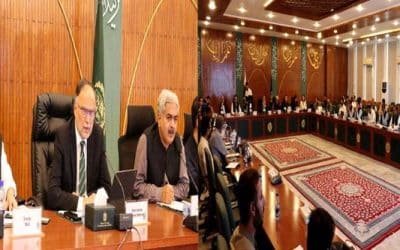



On Wednesday, February 25, 2026, the International Monetary Fund (IMF) mission, led by Iva Petrova, officially commenced technical-level discussions with the State Bank of Pakistan (SBP) in Karachi. This visit is critical for the third review of the $7 billion Extended Fund Facility (EFF) and the second review of the $1.1 billion Resilience and Sustainability Facility (RSF).
Key Discussion Areas (Karachi Phase)
The first phase of the mission is focused on technical data verification and macroeconomic performance:
- Quantitative Targets: Pakistan is expected to meet nearly all seven quantitative performance criteria for the period ending December 2025. This includes primary surplus targets and net domestic assets.
- Foreign Reserves: Discussions are centering on Net International Reserves (NIR), which are projected to be slightly below the December benchmark of $6.5 billion (currently estimated at just below $6 billion).
- The "UAE Rollover": Finance Minister Muhammad Aurangzeb confirmed that while formal documentation is being finalized, the $2 billion UAE deposit has been rolled over on a short-term basis (until April 17, 2026) at an interest rate of 6.5%. The IMF is reviewing these financing assurances to ensure no "external financing gap" exists.
Revenue and FBR Performance
While the government is optimistic, the mission is closely examining the Federal Board of Revenue (FBR):
- Shortfall: FBR missed its seven-month (July–January) target by approximately Rs 345 billion.
- The "Super Tax" Silver Lining: Officials believe this gap will be partially narrowed following the recent Federal Constitutional Court ruling in favor of the government regarding "Super Tax" collection from high-earning industries.
- Contingency Measures: The IMF may push for the "contingency revenue measures" agreed upon in earlier reviews—such as a 5% Federal Excise Duty (FED) on fertilizers and pesticides—if the shortfall is deemed a risk to fiscal targets.
Power Sector & Structural Benchmarks
The power sector remains the most sensitive "indicative target" under review:
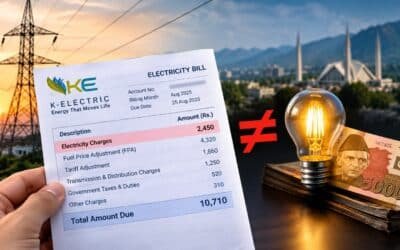
- Circular Debt: While debt numbers are currently within the agreed range, the IMF is scrutinizing recent "volatile" policy decisions, including residential fixed charges and industrial subsidies.
- Tariff Revisions: Discussions are ongoing regarding further electricity tariff overhaul intended to ease the burden on industry, provided it does not disproportionately impact low-income households.
How did Pakistan become a failed, debt slave state?
-Pakistan has had 4 IMF bailouts
-They’re now selling state assets, banks, power grids, hotels, national airline
-Debt payments consume 60% of the budget. They can’t afford basic services
-This is the reality of IMF debt… https://t.co/x40vhmraeq pic.twitter.com/Vl2wsfJGgY— Truth_teller 🇷🇺 (@Truthtellerftm) February 13, 2026
What Happens Next?
| Date | Event | Significance |
| Feb 25–28 | Karachi Technical Talks | Verification of SBP data and external financing rollovers. |
| March 2 (Mon) | Policy Discussions (Islamabad) | Formal meeting between Iva Petrova and Finance Minister Aurangzeb. |
| March 11 | Mission Conclusion | Expected Staff-Level Agreement (SLA) announcement. |
| Late April | Executive Board Approval | Unlocking the $1.2 billion combined tranche. |
You May Also Like: