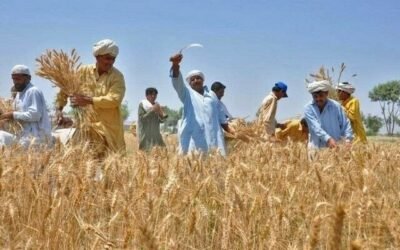




Islamabad, Nov 6: Pakistan is among six nations identified as having the highest levels of inefficient agricultural water use, exacerbating global freshwater losses, according to the first edition of the World Bank’s Global Water Monitoring Report.
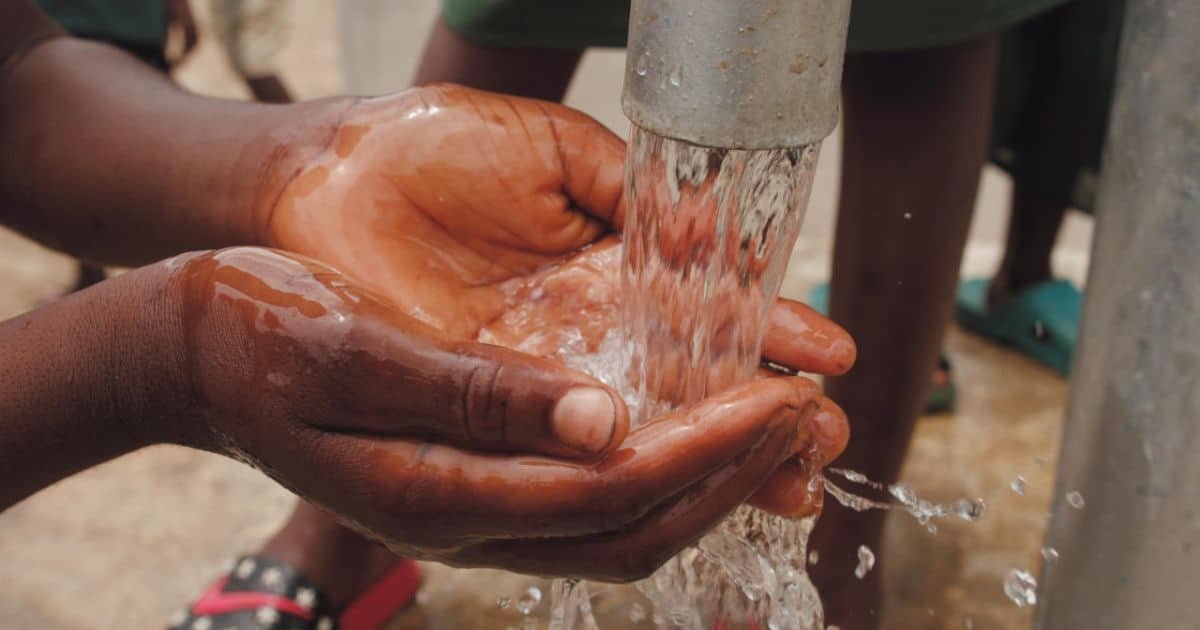
Titled “Continental Drying: A Threat to Our Common Future,” the report highlights that inefficient water use in agriculture, coupled with increasingly arid conditions, contributes to an annual global loss of 324 billion cubic metres of freshwater—enough to meet the needs of 280 million people each year.
The report states that roughly one-quarter of inefficient water consumption in rain-fed agriculture and one-third in irrigated agriculture occurs in regions experiencing declining freshwater availability. These “hot spots” are most concentrated in Western Asia, Eastern Europe, and North Africa.
Countries with the highest share of inefficient water use under drying conditions include Algeria, Cambodia, Mexico, Pakistan, Thailand, Tunisia, and Romania, the report notes.
According to a WB report, world is losing 324 billion cubic metres of freshwater every year. https://t.co/naZz1l9cK0
— Dawn.com (@dawn_com) November 6, 2025
Drawing on two decades of satellite data enhanced with advanced modelling, the report offers an unprecedented view of how land and water management decisions are shaping water availability worldwide. It also observes a global shift toward more water-intensive crops, with 37 drying countries, including 22 in arid and semi-arid regions, adopting such crops over the past 20 years.
This structural shift, combined with inefficiency, intensifies water demand in already stressed regions. The report points out that over two-thirds of inefficient irrigation in drying areas is linked to cultivating water-intensive crops, highlighting the urgent need for smarter crop selection and water management practices.
You May Also Like: Chinese Vice President Praises Pakistan’s Role in Regional Peace During Meeting with Zardari
Globally, water use has risen 25 percent since 2000, with a third of the increase occurring in areas already facing drying trends. The report also cites contributing factors such as unsustainable pricing policies, weak coordination, deforestation, and wetland degradation.
The World Bank warns that without immediate reforms in agricultural practices, irrigation efficiency, and water governance, the combination of inefficient use and climate-induced aridity could worsen water scarcity in Pakistan and other vulnerable regions.
Check out our latest video: