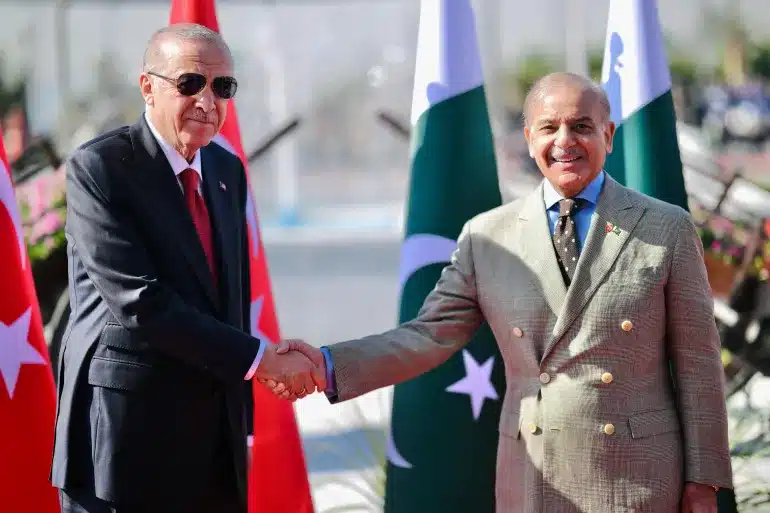


In today’s fast-changing global scene, nations are constantly looking for strong partners. For decades, Pakistan and Turkey have shared deep bonds of history, culture, and faith. Now, this connection is growing into a powerful new alliance. It is marked by close cooperation in defense, growing trade, and active cultural diplomacy. This partnership is not just about two countries; it aims to become a significant force in the Muslim world, shaping a new narrative for regional leadership and cooperation.
Historical Ties and Shared Vision
The bond between Pakistan and Turkey is rooted deeply in history. It goes back to the Khilafat Movement, when Muslims in British India supported the Ottoman Empire. After Pakistan gained independence in 1947, Turkey quickly built ties. Both countries were part of Cold War alliances like CENTO, showing early shared strategic interests. They often call each other “brotherly nations” (Kardesler in Turkish), showing their strong emotional connection.
This historical friendship has now grown into a more strategic partnership. Both nations see a need to work together for their own good and the wider Muslim world. They share views on many global issues, from Kashmir to Palestine. This shared vision forms the bedrock of their growing alliance.
The Pillars of the New Alliance
The new alliance between Pakistan and Turkey stands on three main pillars: defense deals, trade growth, and cultural diplomacy.
1. Defense Cooperation: A Strategic Partnership
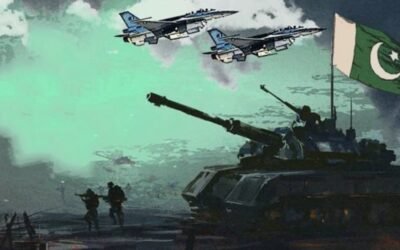
Military cooperation between Turkey and Pakistan is actively growing. This is a key part of their strategic partnership, especially as both nations seek to strengthen their defense capabilities and promote regional stability.
- Joint Production and Acquisition: Pakistan and Turkey have signed major defense deals. One of the biggest is the MILGEM corvette project, where Turkey is building four warships for Pakistan in a $1.5 billion deal. These ships are being jointly produced, boosting industrial cooperation. Pakistan also ordered 30 T129 ATAK helicopters from Turkey.
- Aerospace Partnership: Both countries are looking to deepen aerospace collaboration. In January 2025, Turkey and Pakistan made plans to set up a joint facility for the production of Turkey’s new Kaan fifth-generation fighter jet. Pakistan’s role in this project is expected to help produce the Kaan jet at a lower cost, while improving Pakistan’s air defense. They also aim to strengthen cooperation in areas like advanced training, electronic warfare, and new warfare technologies.
- Intelligence Sharing: At the end of May 2025, Turkish President Recep Tayyip Erdogan openly spoke about the importance of intelligence sharing between the two countries to fight terrorism. Deep cooperation already exists between Turkey’s MIT and Pakistan’s ISI intelligence agencies.
- Military Support: In times of tension, like the recent conflict over Kashmir, Turkey has shown strong support for Pakistan. Reports indicated Turkey sent a large amount of military equipment to Pakistan immediately after the Pahalgam attack to help Pakistan against any Indian action.
Turkish President Recep Tayyip Erdoğan also voiced public concern, urging de-escalation and expressing sorrow over the loss of Pakistani lives, saying, “We are concerned that the tension between Pakistan and India could escalate… I pray for Allah’s mercy for our brothers who lost their lives…”
2. Trade Growth: Ambitious Targets
While historical ties are strong, economic relations have been slower to fully develop. However, both countries are now making strong efforts to boost trade and investment.
- Preferential Trade Agreement (PTA): The Pakistan–Turkey Free Trade Agreement (FTA), which started as a Preferential Trade Agreement, became active in 2023. This agreement lowers duties on 261 types of goods from Turkey and 130 from Pakistan, including textiles, rice, leather, and machinery.
- Ambitious Trade Targets: Both nations have set a target to increase bilateral trade to $5 billion by 2027, and eventually to $10 billion. In 2024, their trade volume reached a historical high of $1.4 billion, growing by nearly 30% year-on-year.
- Special Economic Zone (SEZ): Pakistan and Turkey have agreed to set up a dedicated Special Economic Zone in Karachi specifically for Turkish businesses. This zone aims to attract Turkish companies and deepen economic ties.
- Energy and Investment: Cooperation is expanding into energy, mining, and other sectors. A Banking and Financial Cooperation Memorandum of Understanding (MoU) was signed in 2025 between their Central Banks to expand monetary cooperation. Turkish firms are also looking to invest in Pakistan’s energy sector and participate in privatizing power distribution companies.
3. Cultural Diplomacy: Deepening People-to-People Bonds
Beyond defense and trade, cultural exchange plays a vital role in strengthening the bond between Pakistan and Turkey. This helps foster mutual understanding and lasting friendships between their peoples.
- Educational Exchanges: Turkey has become a popular destination for Pakistani students. Various scholarship programs, including the “Scholarship in Turkiye” program, offer Pakistani students opportunities for higher education in Turkish universities, covering tuition, accommodation, and travel. These programs also include Turkish language training, helping students integrate culturally.
- Twin Cities and Tourism: Many Pakistani tourists visit Turkey, contributing to its tourism industry. This cultural exchange helps build stronger ties. The idea of dual nationality for citizens of both countries has also been discussed, which would further strengthen their bond.
- Shared Values: Both countries promote shared values, including combating Islamophobia and promoting peace. This cultural alignment reinforces their diplomatic efforts on the global stage.
Joint Efforts in the Muslim World
Pakistan and Turkey often work together on issues affecting the Muslim world, especially within the Organisation of Islamic Cooperation (OIC) and other forums.
- OIC Leadership: Pakistan has a leading status in the OIC, being the second-largest Muslim-majority member and the only Muslim nuclear power. Both Pakistan and Turkey actively use the OIC platform to champion Muslim causes, such as advocating for Palestine and Kashmir. They also jointly work to counter Islamophobia.
- Trilateral Cooperation: They are part of trilateral cooperation frameworks, including with Azerbaijan, especially in defense. All three countries supported Baku during the 2020 Nagorno-Karabakh war.
- Strategic Alignment: Both Turkey and Pakistan aim to build strong ties with other non-Arab Muslim countries, like Malaysia, Iran, and Qatar, possibly aiming for a rival bloc within the Ummah.
Challenges and Opportunities
Despite the strong momentum, the alliance faces challenges. Economic stability in Pakistan is crucial for fully realizing trade and investment goals. Also, managing geopolitical complexities in their respective regions requires careful diplomacy. However, the opportunities are immense. This alliance can enhance regional stability, boost economic prosperity for both nations, and provide a strong, unified voice for the Muslim world on global issues.
Conclusion
The alliance between Pakistan and Turkey is evolving into a comprehensive and strategic partnership. Marked by robust defense cooperation, ambitious trade targets backed by agreements, and deep cultural ties, this relationship is a model for South-South cooperation. As India’s diplomacy faces challenges, Pakistan and Turkey are stepping up to shape a new narrative of regional leadership. Their joint efforts in defense, trade, and cultural diplomacy, combined with their shared vision for the Muslim world, underscore the potential for this alliance to become a pivotal force in the changing global order.
Prime Minister Shehbaz Sharif echoed this spirit of unity, tweeting, “Spoke with my dear brother President Recep Tayyip Erdogan and thanked him for Türkiye’s solidarity and support with Pakistan at this critical time.”
Spoke with my dear brother President Recep Tayyip Erdogan @RTErdogan and thanked him for Turkiye’s solidarity and support with Pakistan at this critical time. Appreciate the prayers of our Turkish brethren for the martyrs of yesterday’s heinous missile strikes carried out by…
— Shehbaz Sharif (@CMShehbaz) May 8, 2025
References
- Modern Diplomacy. (2025, June 20). Turkey and Pakistan Strengthen Military Cooperation.
- OEC.world. (2025, May). Turkey (TUR) and Pakistan (PAK) Trade Data
- Anadolu Ajansı. (2025, February 13). Türkiye’s bilateral trade with Pakistan reached a historical high in 2024, says President Erdogan
- Central Asia-Caucasus Analyst. (2025, May 22). Türkiye-Pakistan-Azerbaijan Trilateral Defence Cooperation.
- OIC. (2025, June 22). ISTANBUL DECLARATION ADOPTED BY THE (51st) SESSION OF THE COUNCIL OF FOREIGN MINISTERS.
- Journal of Social Sciences Review. (2023, September 30). Prospects and Obstacles in the Bilateral Relations between Pakistan and Turkey.