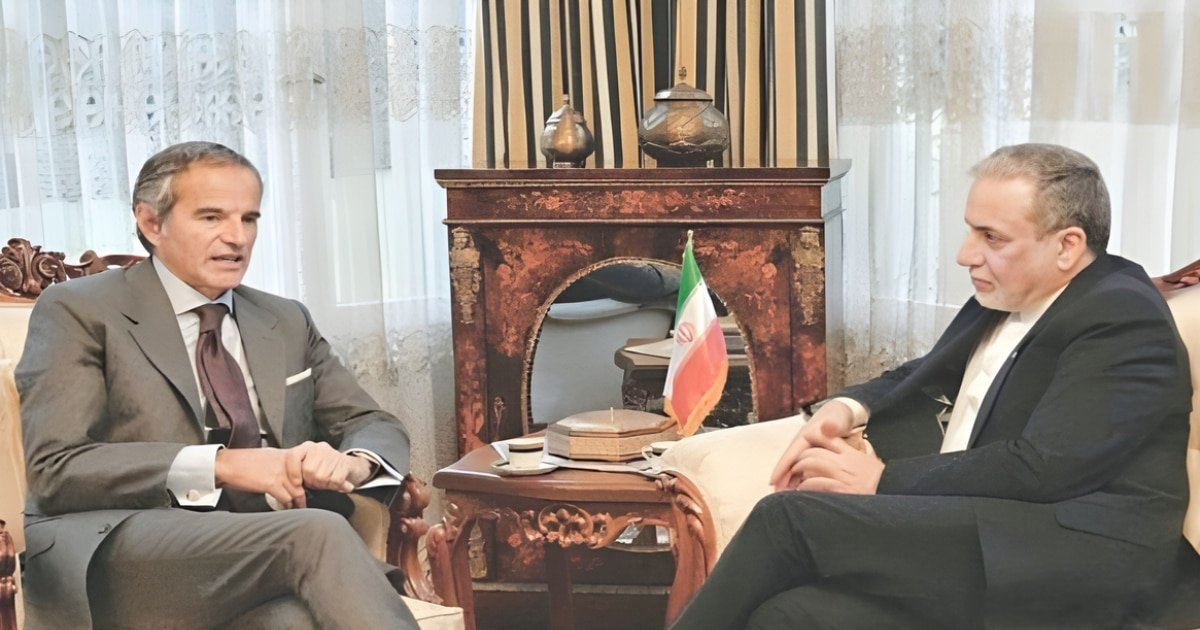



As the second round of high-stakes nuclear negotiations begins in Geneva today, Tuesday, February 17, 2026, the diplomatic air is thick with both “realistic” optimism and military posturing. Iranian Foreign Minister Abbas Araghchi met with IAEA chief Rafael Grossi on Monday, setting a technical foundation for indirect talks with the Trump administration, mediated by Oman.
However, the dialogue is unfolding against a backdrop of escalating threats, with a second US aircraft carrier, the USS Gerald R. Ford, joining an “armada” in the Middle East.
Iran and the US are set to meet for a second round of nuclear talks in Switzerland https://t.co/Fkp3j5hYsf
— Bloomberg (@business) February 17, 2026
The Diplomatic Front: What’s at Stake?
The negotiations aim to resolve a crisis that peaked last summer following joint US-Israeli strikes on Iranian nuclear facilities.
- Iran’s Position: Tehran is seeking “fair and equitable” sanctions relief. While open to compromises on its uranium stockpile, Araghchi has flatly rejected discussing Iran’s missile program, stating, “Submission before threats is not on the table.”
+1 - The US Stance: Secretary of State Marco Rubio remains skeptical, noting the difficulty of dealing with a leadership making “theological decisions.” President Trump, however, indicated he will be “indirectly involved” in the talks, suggesting Tehran is motivated to avoid the “consequences” of a failed deal.
+1 - The IAEA’s Demand: Rafael Grossi is pressing for immediate access to Natanz, Fordow, and Isfahan. The watchdog is particularly concerned about the status of 440kg of 60% enriched uranium that went missing from international view following the June 2025 airstrikes.
“Smart Control” in the Strait
On Monday, the Islamic Revolutionary Guard Corps (IRGC) launched a live-fire naval drill titled “Smart Control of the Strait of Hormuz.”
- Tactics: The exercise focuses on asymmetric warfare, utilizing drones, electronic jamming, and precision missiles to demonstrate Iran’s ability to disrupt the global oil supply (roughly 20% of world production) if attacked.
- Signal: Analysts view the drill as a direct response to the “Maximum Pressure” military buildup led by the US.
The “Netanyahu Factor”
Israeli Prime Minister Benjamin Netanyahu remains the loudest critic of the Geneva process. In a recent call with President Trump, he insisted on a total shift in policy:
- Dismantle, Don’t Freeze: Israel demands the complete destruction of nuclear infrastructure (centrifuges and facilities), arguing that simply “halting” enrichment allows Iran to restart at any time.
- Security Context: Netanyahu’s stance is bolstered by ongoing Israeli operations to “complete the job” of destroying tunnel networks in Gaza.
Critical Benchmarks for Today
- Status of Enriched Uranium: Will Iran allow IAEA inspectors to verify the 60% stockpile supposedly “buried under rubble”?
- Scope of Talk: Will the US successfully push the missile program onto the agenda?
- Sanctions Relief: Is the Trump administration willing to offer early “economic benefits” to secure a quick win?
You May Also Like: Pakistan Urges US-Iran Direct Talks on Nuclear Issue
Check out our latest video: