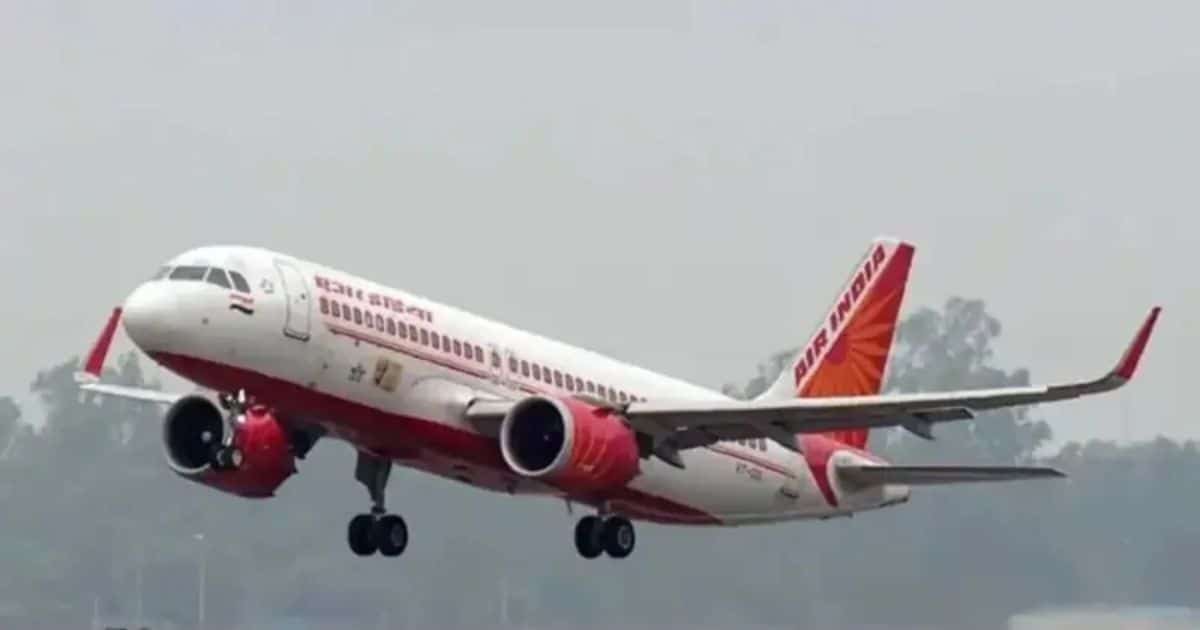





Karachi — The Pakistan Airports Authority (PAA) has extended the closure of Pakistani airspace to all Indian-registered civil and military aircraft until March 23, 2026, according to a fresh Notice to Airmen (Notam) issued on February 19.
The restriction applies across both the Karachi (OPKR) and Lahore (OPLR) Flight Information Regions (FIRs), covering the entire country, the Pakistan Civil Aviation Authority (PCAA) confirmed.
#BREAKING: Pakistan to extend airspace ban on Indian origin aircraft throughout year 2026, longest ever in history. pic.twitter.com/InWSOZc497
— Ironclad (@NavCom24) January 17, 2026
Key Highlights
- Airspace closure for Indian aircraft extended to March 23, 2026.
- Applies to all civil and military Indian-registered aircraft.
- Ban covers Karachi (OPKR) and Lahore (OPLR) FIRs.
- Restrictions began in late April 2025 after Pahalgam attack.
- Pakistan denies involvement, offers neutral investigation.
- May 2025 conflict saw Pakistan down seven Indian jets.
- Indian carriers face longer routes and higher fuel costs.
Timeline of Airspace Closure
Late April 2025: Closure imposed after a deadly attack on tourists in Pahalgam, Indian Illegally Occupied Jammu and Kashmir (IIOJK), killing 26 people. India blamed Pakistan without evidence; Islamabad rejected the claim and offered a neutral probe.
Early May 2025: Brief but intense military conflict between the two nuclear-armed neighbours. Pakistan reported downing seven Indian jets.
May 2025 onward: Reciprocal airspace ban enforced by both countries, affecting commercial and military flights.
November 2025: Reports emerged of Air India lobbying the Indian government to seek alternative overflight routes, including through sensitive Chinese military airspace in Xinjiang.
February 19, 2026: Pakistan extends its airspace closure until March 23, 2026.
The measure continues a reciprocal ban that began in late April 2025 after the Pahalgam incident escalated into a short but fierce military confrontation in May. Pakistan maintains the closure is necessary for national security amid unresolved tensions, while Indian carriers face longer flight paths and significantly higher operational costs.
Economic Impact on India
The prolonged ban has forced Indian airlines to reroute flights, adding hundreds of kilometres to journeys to Europe, the Middle East, and Central Asia. Industry estimates suggest Indian carriers are incurring an extra $200–300 million annually in fuel and operational expenses due to the detour over Iran or other routes.
Air India has been particularly vocal, with reports indicating the airline lobbied the Indian government to secure alternative permissions, including through restricted Chinese airspace in Xinjiang, to reduce flight times and costs.
Domestic pressure has grown as the ban contributes to higher airfares and reduced competitiveness for Indian aviation in regional markets. Aviation experts note that the additional fuel burn also increases carbon emissions, adding to environmental costs at a time when airlines face global sustainability targets.
Pakistan’s decision reflects its consistent position on airspace sovereignty and security concerns. Aviation authorities continue to monitor regional developments, with further notices expected if the situation changes. Commuters and airlines on both sides remain affected by the prolonged disruption in direct connectivity.
You May Like To Read: