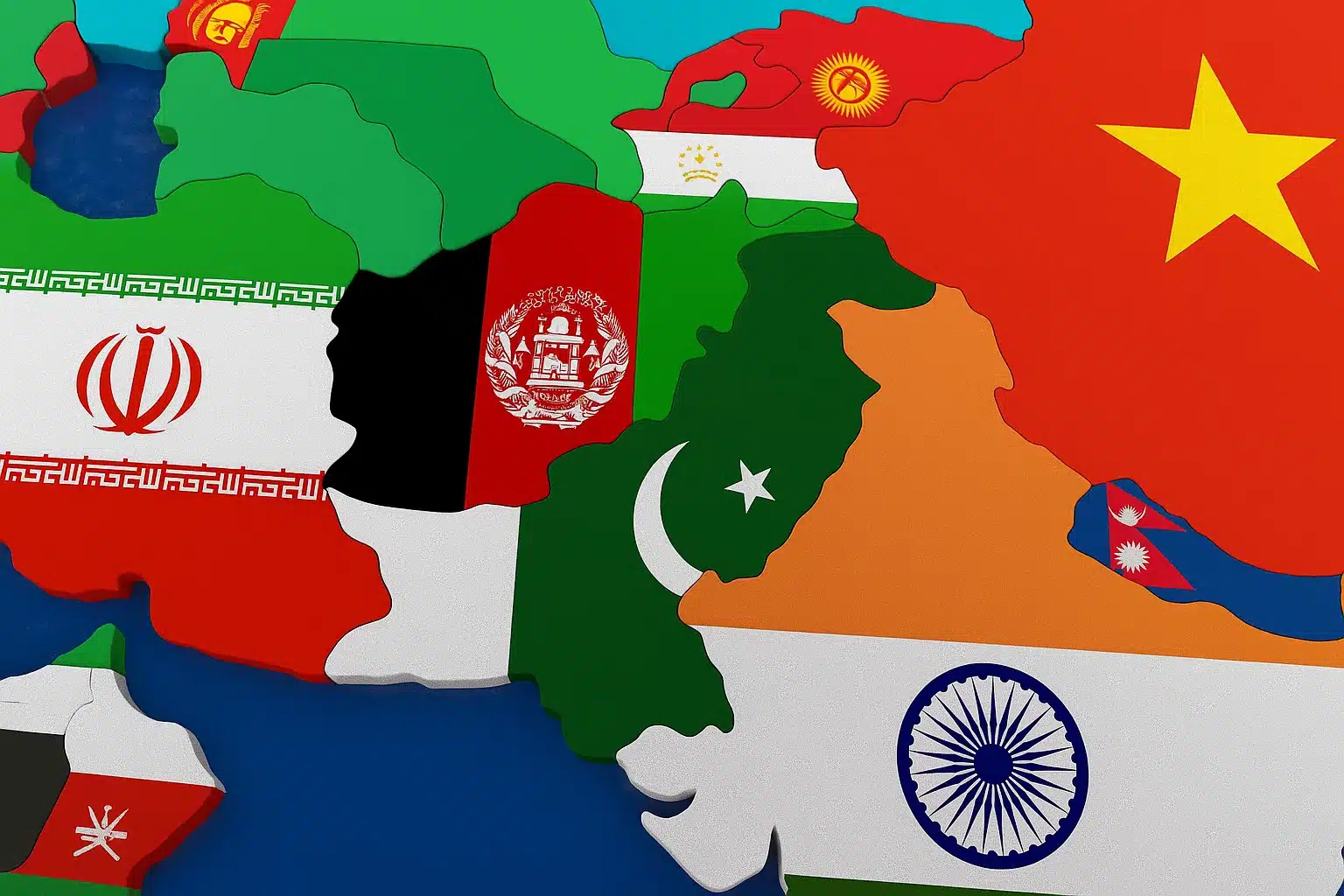





A nation’s “soft power” refers to its ability to achieve its objectives by being attractive, rather than by force. This concept is very important today. Pakistan is often viewed primarily for its security issues. But showing its rich culture and history can help it make good friends around the world. By sharing its rich history, vibrant arts, and warm welcome, Pakistan can foster better understanding and lasting ties everywhere.
Pakistan’s Rich Past: The Core of Its Soft Power
Pakistan has a lot of history and culture. From the ancient Indus Valley Civilization, with sites like Mohenjo-Daro and Harappa, to the Gandhara Civilization, renowned for its Buddhist art, the past here is of great importance—the Mughal period left behind significant structures, such as the Lahore Fort and Shalimar Gardens. Sufi shrines show a kind and accepting part of their spirit. Beyond its historic sites, Pakistan boasts a diverse array of languages, Sufi music, folk dances, traditional crafts, and contemporary art. All this richness is a strong base for its soft power efforts.
New Steps and Key Focus Areas
Lately, Pakistan has come to realize the importance of cultural talks. The Ministry of Foreign Affairs, along with other groups, has initiated programs to showcase a more friendly side of the country.
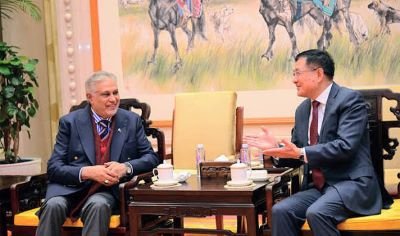
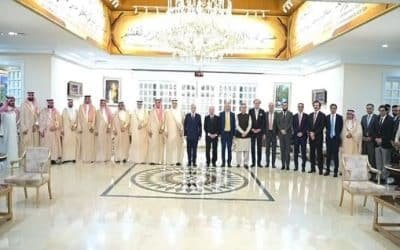
A big event in July 2025 saw Pakistan and China work more closely on culture and tourism. Federal Minister for National Heritage and Culture, Huzaifa Rehman, met with his Chinese counterpart, Gao Zheng, in Beijing on July 6, 2025. They agreed to work together to preserve, save, and digitize historic places from both countries. This will make these critical sites easily accessible to people worldwide. This plan also includes setting up museums, cultural swaps, art shows, and film events. All these aim to help people understand each other and bring in more visitors. This smart move with a main friend shows a straightforward way to share culture.
Pakistan is also working to participate in more international events and exhibitions. The country is a member of the UNESCO Executive Board for 2023-2027. This shows that it cares about saving the world’s culture. Pakistan’s six UNESCO World Heritage Sites (with 26 more being considered) are being promoted to attract visitors for their cultural, historical, and religious significance. UNESCO also launched 40 smart classrooms in January 2025 to help educate 3,000 girls in Pakistan.
Tourism: A Key Part of Soft Power
Tourism directly builds soft power. It allows visitors to experience Pakistan’s culture firsthand. Following a decline due to COVID-19, Pakistan’s foreign tourism revenue experienced a significant increase, reaching $1.3 billion in 2023. This represents a strong 92% recovery from its pre-pandemic level. This growth demonstrates that tourism can generate revenue and alter perceptions of the country. Activities like promoting religious tourism, such as visits by Sikh pilgrims, remain a key part of this plan. Making it easier to access old places by having better roads and services remains a key goal to utilize this potential fully.
The Role of Cultural Exchange Programs
Cultural exchange programs are crucial for fostering connections between people. Pakistan takes part in student exchange programs. This lets its students study in other countries and make global connections. For example, the number of Pakistani students obtaining study visas for the UK increased by 13% in 2024 compared to 2023, reaching over 35,000. These programs help with learning, cultural awareness, and personal growth. They create a group of global helpers for Pakistan. Also, Pakistan welcomes students and guests from other countries. This lets them learn about Pakistani life and customs. The China-Pakistan Economic Corridor (CPEC) has also facilitated increased cultural exchanges. These focus on art, school work, and learning languages to help people understand each other better.
Problems and Chances
Despite these efforts, problems persist. Pakistan’s cultural goods, although growing, still account for a small part of its total exports when sold to other countries. In 2022, cultural goods were valued at approximately $15 million in exports. This is small compared to bigger economies. However, it presents an opportunity to grow with smart money and effective promotion. The textile sector, which encompasses fashion and cultural designs, accounted for 8.5% of Pakistan’s GDP in 2022 and over 60% of its total export earnings. Helping other creative fields, such as film, music, and fashion, can significantly boost cultural exports. For example, the Pakistani film industry made over 100 feature films in 2023. These got over 250 million admissions. This indicates a significant local demand for cultural products. Recently, Pakistani films Nayab and Deemak won top honors at the SCO Film Festival in China in July 2025, with Nayab receiving a Jury Special Award and Deemak winning the Best Editing Award. This highlights a growing global recognition of Pakistani cinema.
How people see Pakistan because of security concerns is still a problem. To address this, a steady and varied approach to public and cultural talks is necessary. This includes creating a national narrative that showcases Pakistan’s values, image, and ideas for engaging with the world. This is evident in recent discussions about enhancing Pakistan’s global image. Allowing Pakistani artists, writers, sports stars, and businesspeople to serve as soft power ambassadors at global events is also crucial. The Trade Development Authority of Pakistan (TDAP) plans to participate in over 120 international exhibitions in the fiscal year 2025-26. It will focus on Gulf states to find new ways to sell goods and promote “Made-in-Pakistan” products.
Ideas for Growing Soft Power
To make Pakistan’s soft power stronger, here are some key steps:
- Utilize Digital Tools: Create a comprehensive online cultural hub to showcase Pakistan’s history, arts, literature, and innovative ideas. Verified embassy social media accounts can share good stories about the country’s progress, women’s roles, climate actions, arts, and sports.
- Enhance Cultural Teams: Deploy skilled press officers and cultural experts to embassies abroad. They can regularly set up press events, interviews, and cultural activities.
- Show Diverse Stories: Support and promote a wide range of art and cultural expressions. Move beyond traditional ways to showcase the diversity and modern aspects of Pakistani society.
- Help Young People: Encourage Pakistani youth to join school and volunteer programs abroad. This helps build understanding between cultures and creates future connections.
- Work Together More: Continue building and strengthening ties with global organizations like UNESCO and other countries for joint cultural preservation and promotion.
- Support Creative Industries: Help and provide platforms for Pakistan’s film, music, fashion, and book industries to grow. This enables them to reach a global audience and contribute more to cultural exports.
Conclusion: Building a Better Image
Pakistan is still working to use its soft power well. By thoughtfully sharing its rich culture and engaging in meaningful cultural discussions, Pakistan can change how other countries perceive it and cultivate a more positive image. Recent efforts, particularly the strong cultural ties with China and the rise in tourism, indicate a growing focus on this key aspect of foreign policy. A truly independent and culturally confident Pakistan, as reflected in its arts, history, and people, is not just a dream. It is a key part of its global standing and future success.