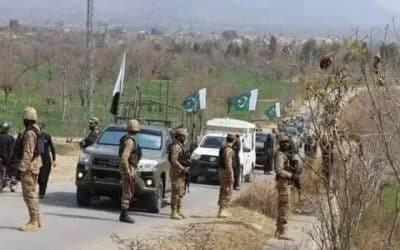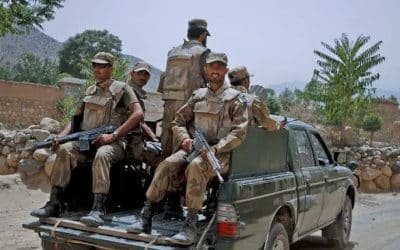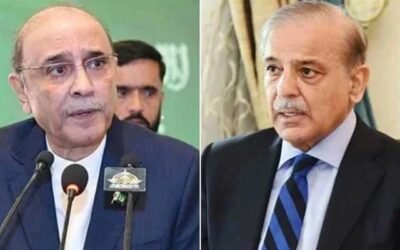


ISLAMABAD, October 17, 2025: Prime Minister Shehbaz Sharif has called on the Afghan Taliban government to take the lead in addressing cross-border terrorism and advancing dialogue, as back-channel efforts continue to sustain a fragile Pakistan-Afghanistan ceasefire.
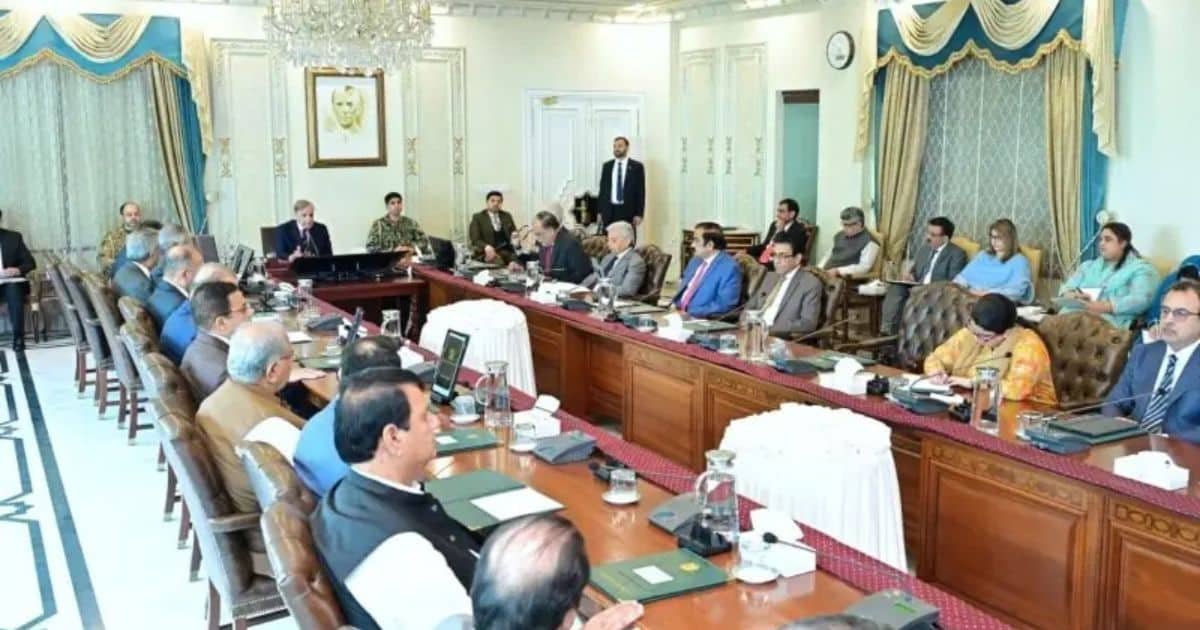
Speaking during a federal cabinet meeting, PM Shehbaz revealed that Afghanistan formally requested a 48-hour ceasefire, which began on October 15. He said the temporary truce would only lead to long-term peace if Kabul met Islamabad’s “justified conditions”, particularly action against the Fitna al Khwarij (FAK), which continues to use Afghan soil for attacks in Pakistan.
“The ball is in their court,” the premier stated, stressing that Pakistan is open to dialogue, but expects concrete steps from the Afghan side.
Deputy Prime Minister/Foreign Minister Senator Mohammad Ishaq Dar @MIshaqDar50 received a message from H.E. Dr. M. Abdulaziz Al-Khulaifi @Dr_Al_Khulaifi, Minister of State for Foreign Affairs of Qatar, regarding the regional situation.
Dr. Al-Khulaifi appreciated Pakistan’s… pic.twitter.com/7cwJJj6x3W
— Ministry of Foreign Affairs – Pakistan (@ForeignOfficePk) October 15, 2025
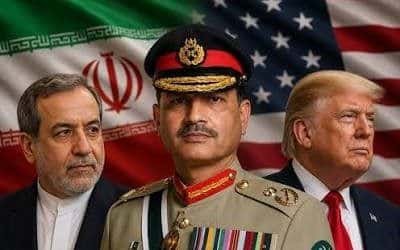
Diplomatic sources confirmed ongoing efforts to arrange high-level peace talks in Doha, with Qatar, China, Iran, and the UN urging restraint and offering mediation. While Afghan media suggested that Taliban Defence Minister Mullah Yaqub might attend the Doha talks, Pakistani officials remained cautious, awaiting formal confirmation from Kabul.
You May Also Like: COAS Munir Briefs President Zardari on Escalating Border Tensions, National Security
The Foreign Office said both countries had agreed to pursue dialogue for a long-term solution. However, uncertainty surrounded the talks due to internal deliberations within the Taliban’s top leadership, reportedly awaiting approval from supreme leader Mullah Haibatullah Akhundzada.
Meanwhile, regional players stepped in to de-escalate tensions. China and Iran urged both nations to exercise restraint and offered diplomatic support. The UN Assistance Mission in Afghanistan (UNAMA) called for a permanent end to hostilities to protect civilian lives.
PM Shehbaz warned that if the ceasefire was merely a tactic to buy time, Pakistan would not accept it. He reiterated the need for a durable resolution based on mutual respect, security cooperation, and peace in the region.