


On Thursday, April 2, 2026, U.S. President Donald Trump escalated his “Maximum Pressure” campaign to its highest level yet, issuing a stark warning to the Iranian leadership: “Make a deal before it is too late, and there is nothing left of what still could become a great country!”
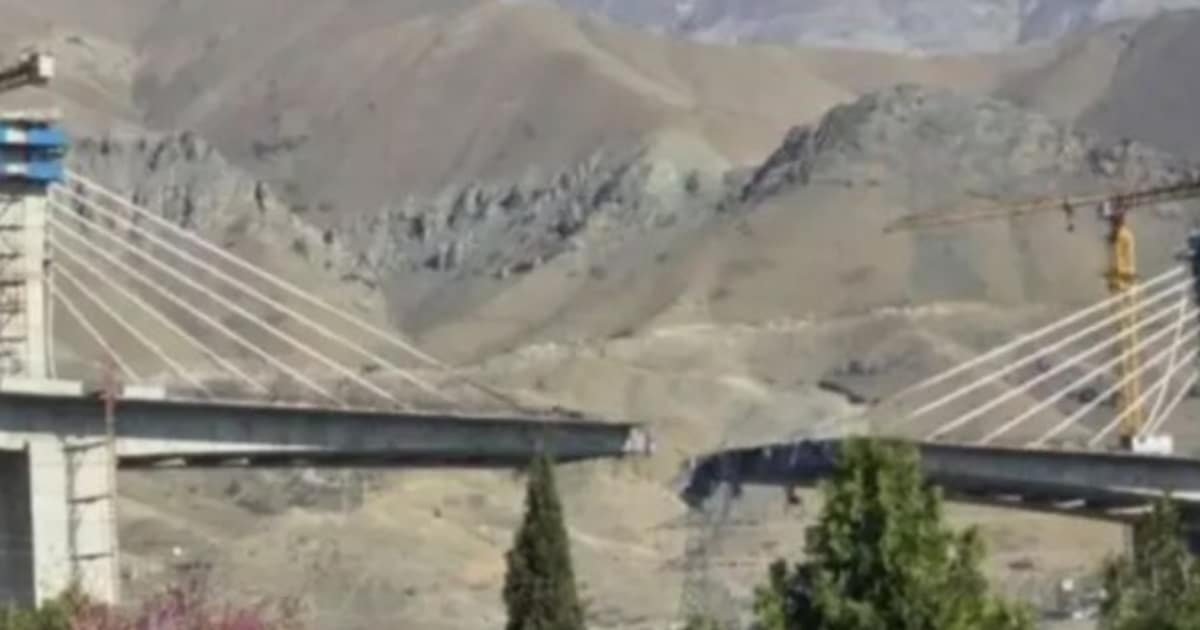
The warning followed a devastating precision strike on one of Iran’s most prized infrastructure projects, the B1 Bridge in Karaj.
The Strike: Destruction of the B1 Bridge
Hours after a prime-time address where he threatened to bomb Iran “back to the Stone Ages,” the U.S. military—coordinated with Israeli intelligence—targeted the landmark B1 suspension bridge:
- The Target: Located in Karaj (approx. 35km southwest of Tehran), the $400 million, 136-meter-high bridge was the tallest in West Asia and a vital transport link for regional trade.
- The Attack: The bridge was struck twice. The second strike reportedly hit as emergency responders were assisting victims of the first blast.
- Casualties: Iranian state media and the Red Crescent confirmed that 8 people were killed and 95 others injured, including families who were outdoors for local “Nature Day” celebrations.
- Trump’s Social Media Message: Sharing footage of the collapsing structure, Trump posted: “The biggest bridge in Iran comes tumbling down, never to be used again — Much more to follow!”
The Next Phase: Targeting the Power Grid
In his latest communications, President Trump has made it clear that the B1 bridge is only the beginning of a “Total Infrastructure War”:
- The 48-Hour Ultimatum: Trump has warned that if a deal is not reached immediately, the U.S. will begin a “simultaneous and hard” campaign against Iran’s national electrical power plants.
- Objective: The goal is to disable the regime’s ability to function by cutting off electricity and water to millions of people, a move Trump describes as “nearing the completion” of his strategic goals.
Iran’s Defiant Response
Foreign Minister Abbas Araghchi responded to the strike via social media, signaling that the targeting of civilian infrastructure would not lead to surrender:
- Moral Collapse: Araghchi stated that striking “unfinished bridges” only conveys the “defeat and moral collapse of an enemy in disarray.”
- Reconstruction Vow: He asserted that while bridges can be rebuilt, the U.S.’s global reputation is being destroyed beyond repair.
- Presidential Stance: Iranian President Masoud Pezeshkian briefed regional allies today, claiming that Tehran was engaged in “indirect negotiations” with Washington at the very moment the bombing campaign began.
Regional Conflict Snapshot: April 3, 2026
| Category | Detail | Status |
| Strike Site | B1 Bridge, Karaj | Destroyed; Central span collapsed. |
| Casualties | 8 Dead, 95 Injured | Confirmed by Alborz Province authorities. |
| U.S. Goal | “The Stone Age” Doctrine | Infrastructure destruction to force a nuclear/maritime deal. |
| Iran Retaliation | Promised Sadiq 4 | Ongoing drone/missile strikes on U.S. assets in the Gulf. |
Economic Impact for the Region
- Oil Markets: Following the bridge strike and Trump’s renewed threats, Brent Crude prices have surged, with experts warning of a “war premium” that will likely impact fuel costs across South Asia.
- Trade Disruptions: The B1 bridge was a crucial link for regional trade; its destruction further cripples Iran’s internal logistics and economic stability.
- Digital Safety: With the 5G network now live in major regional hubs, residents are receiving real-time video updates of these strikes, though Iranian authorities have frequently implemented “security blackouts” on the internet to control the flow of information.
You May Like To Read: 90th wave of Promised Sadiq 4, IRGC Strikes Amazon Cloud Center and 7 Air Bases
Check out our latest video: