




ISLAMABAD: The Tehreek-e-Tahaffuz-e-Aaeen-e-Pakistan (TTAP) on Thursday called for the Prime Minister of Azad Jammu and Kashmir (AJK) to resign amid escalating unrest in the region, as strikes and a communication blackout continue to paralyse daily life.
TTAP leaders also echoed public calls to end the 12 reserved seats for refugees, which they claim have long been used for political manipulation.
اَب تک کی اطلاعات کے مطابق آزاد کشمیر میں درجن بھر شہریوں کی ہلاکتیں ہو چُکی ہیں۔ یہ رویہ کہ گفت و شُنید اور مذاکرات کی کوئی حیثیت نہیں اور صرف ڈنڈے، آنسو گیس اور گولی ہی کی زبان میں بات کی جائے گی لوگوں کو دور سے دور کرتا چلا جائے گا۔
وہاں کے وزیراعظم مستعفی ہوں، الیکشنز کال…
— Mustafa Nawaz Khokhar (@mustafa_nawazk) October 2, 2025
Key Highlights
- TTAP urged the AJK Prime Minister to step down amid unrest.
- Party called for the abolition of 12 reserved refugee seats, citing public demand.
- Strikes and communication blackout have crippled life in AJK for several days.
- PTI’s Asad Qaiser rejected military operations, calling for intelligence-based approaches.
- TTAP plans to convene countrywide leadership meetings to devise a national strategy.
Call for Leadership Change Amid Crisis
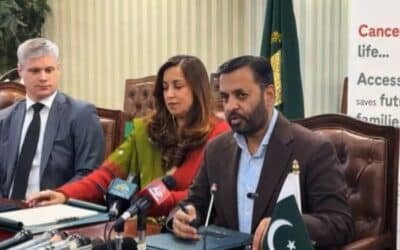
Addressing a news conference in Islamabad, TTAP Senior Vice President Mustafa Nawaz Khokhar said the political temperature in AJK has sharply risen following the collapse of talks between the Jammu Kashmir Joint Awami Action Committee (JAAC), the AJK government, and federal ministers.
“The people of Kashmir are demanding an end to the 12 reserved seats for refugees, which are being used for political engineering. In light of the ongoing unrest in Kashmir, the prime minister of Kashmir should immediately resign,” Khokhar said.
The reserved refugee seats have become a central flashpoint in the ongoing protests, with demonstrators linking them to elite privileges and lack of political representation for ordinary citizens.
You May Like To Read: Pakistan Police Rescue 66-Year-Old German Tourist Lost in Kaghan Valley
Unrest and Political Pressure
A region-wide strike has paralysed AJK, while a continuing communication blackout has made information flow difficult, fuelling public frustration and mistrust. Earlier negotiations between the JAAC and government officials broke down, triggering violent clashes that left several people dead.
TTAP’s statement comes at a time when the federal government is holding negotiations with protest leaders to find a way out of the standoff. Observers say mounting political pressure from opposition groups could complicate talks if tensions are not managed carefully.
Qaiser Rejects Military Operations
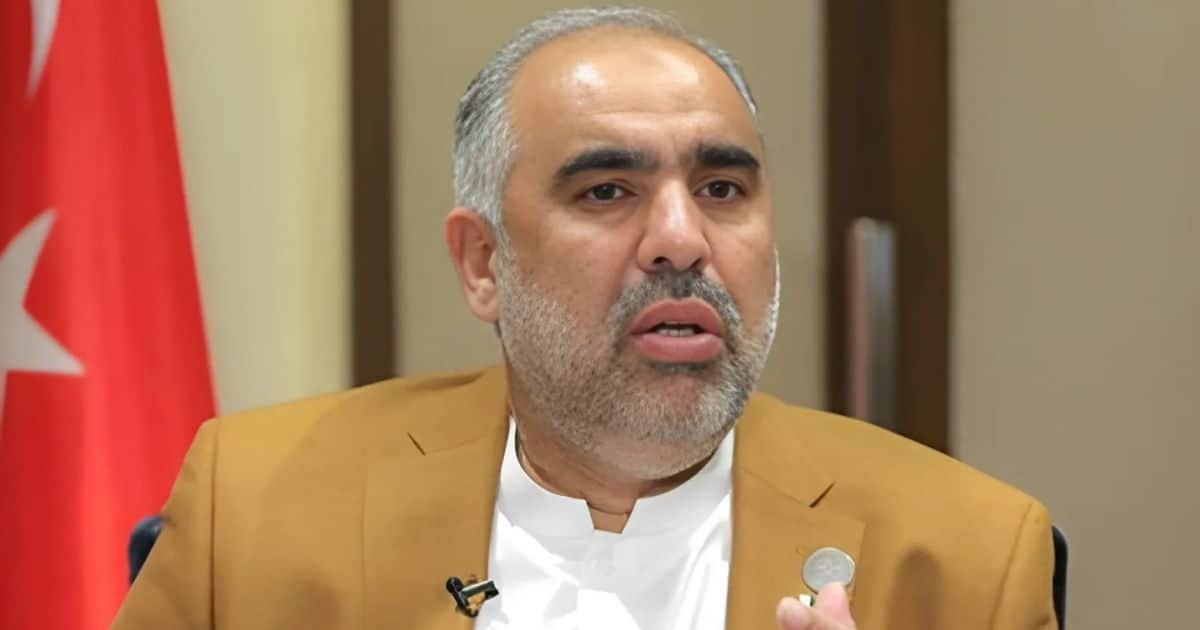
Speaking at the press conference, PTI leader Asad Qaiser condemned the violence in AJK and rejected any military operation in the region.
He called for strengthening intelligence networks and adopting targeted, intelligence-based approaches instead of large-scale actions.
“We will not allow any military operation to take place. We will stand with the people,” Qaiser said, adding that TTAP would hold provincial organisational meetings in Sindh and Balochistan to build a countrywide political strategy.
Looking Ahead
As the AJK crisis deepens, calls for political accountability and structural reforms are growing louder. The TTAP’s intervention adds a new dimension to the unfolding situation, underscoring the national political ripple effects of the unrest in Muzaffarabad and beyond.
You May Like To Read: Islamabad Students Protest CDA Crackdown on Private Hostels, Reach Settlement