



ISLAMABAD/WASHINGTON (April 13, 2026) — The fragile hope for a permanent end to the Middle East conflict suffered a severe blow on Monday as the United States military announced a full naval blockade of Iranian ports. The escalation follows the collapse of historic direct negotiations in Islamabad, with President Donald Trump citing Tehran’s refusal to dismantle its nuclear program as the primary cause for the breakdown.
U.S. Moves to Enforce Maritime Blockade After Talks Collapse
CENTCOM says action will target ships to and from Iranian ports as tensions surge #EuroPost pic.twitter.com/SUJFVcOi2f
— EuroPost Agency (@EuroPostAgency) April 13, 2026
At a Glance: The Maritime Escalation
-
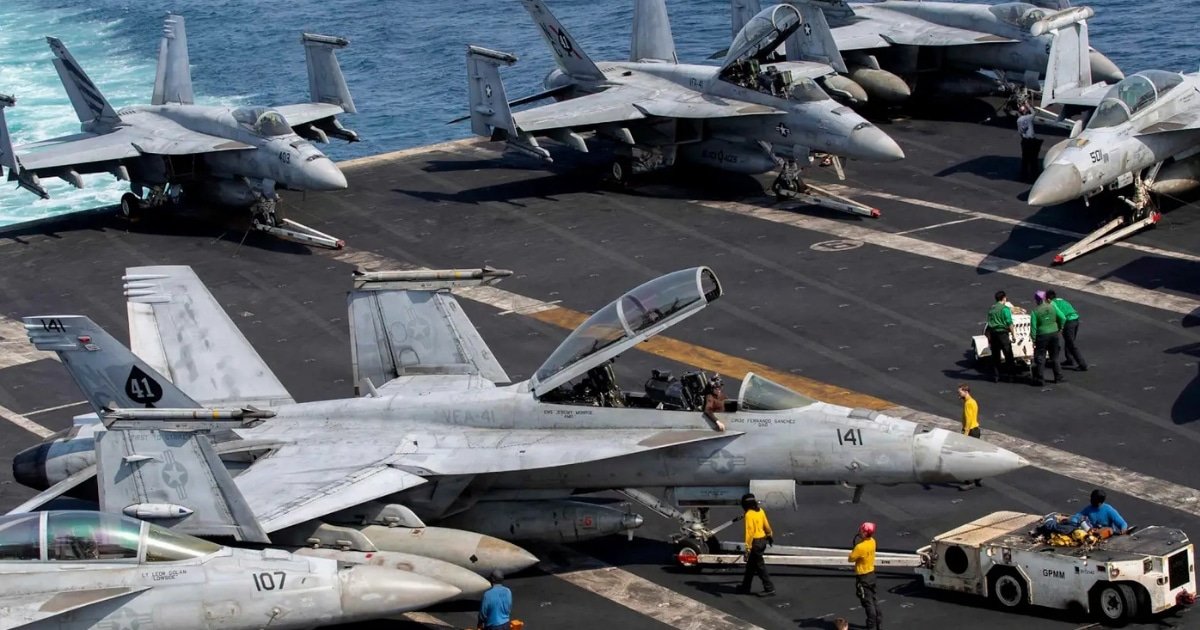
The Blockade: Starting at 1400 GMT Monday, US Central Command will intercept all vessels entering or departing Iranian ports in the Arabian Gulf and Gulf of Oman.
-
Strategic Scope: The blockade is “impartial,” targeting ships of all nations serving Iranian terminals, though US forces will not impede transit to non-Iranian ports.
-
Failed Diplomacy: US Vice President JD Vance departed Pakistan after declaring Washington’s “final and best offer” had been rejected.
-
Market Shock: Oil prices surged 8%, with Brent and WTI both crossing the $100 per barrel threshold.
The Collapse in Islamabad
The highest-level engagement between the US and Iran since 1979 ended abruptly Sunday. Despite Pakistan’s intense mediation efforts, the two sides could not bridge the gap between Iran’s demand for recognized nuclear rights and the Trump administration’s “maximalist” insistence on total nuclear abandonment.
Iranian Foreign Minister Abbas Araghchi expressed frustration, stating that a deal was “inches away” before shifting US goalposts and the threat of a blockade derailed the process. Conversely, President Trump took to social media to reiterate his stance: “IRAN WILL NEVER HAVE A NUCLEAR WEAPON!”
Strait of Hormuz: The Global Chokepoint
The focus now shifts to the Strait of Hormuz, where the US Navy has already begun mine-clearing operations—a claim Tehran denies. Iran’s Revolutionary Guards warned that they maintain “full control” of the waterway, threatening a “deadly vortex” for any challengers.
While Trump initially suggested a total closure of the Strait, the finalized military order focuses specifically on Iranian coastal access. However, analysts warn that a blockade is not merely a “coercive signal” but a de facto resumption of active hostilities that could void the fragile two-week ceasefire.
Regional Volatility and Lebanon
The diplomatic failure is mirrored by rising violence in Lebanon. Despite the supposed truce, Israeli strikes in Beirut and southern Lebanon have killed hundreds in recent days. While Lebanese and Israeli officials are scheduled to meet in Washington on Tuesday, Israeli Prime Minister Benjamin Netanyahu told troops that the campaign against Hezbollah is “far from over.”
Pakistan’s Continued Role
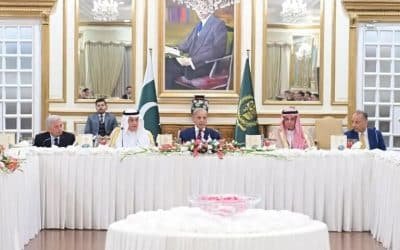
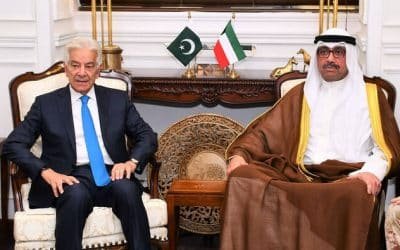
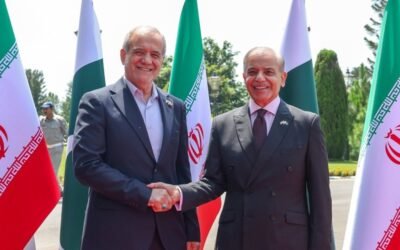
As the host and mediator, Pakistan has called for restraint, urging both powers to honor the ceasefire despite the naval escalation. The Foreign Office in Islamabad maintained that it remains available to facilitate dialogue, warning that a maritime blockade risks plunging the global economy back into the turmoil seen at the war’s onset in February.
With US warships moving into position and Tehran defiant, the “Islamabad Venue” has transitioned from a site of potential peace to a backdrop for a renewed and intensified standoff.
You May Like To Read: Global Eyes on Islamabad: VP JD Vance Arrives for Historic Direct Talks with Iran
Check out our latest video: