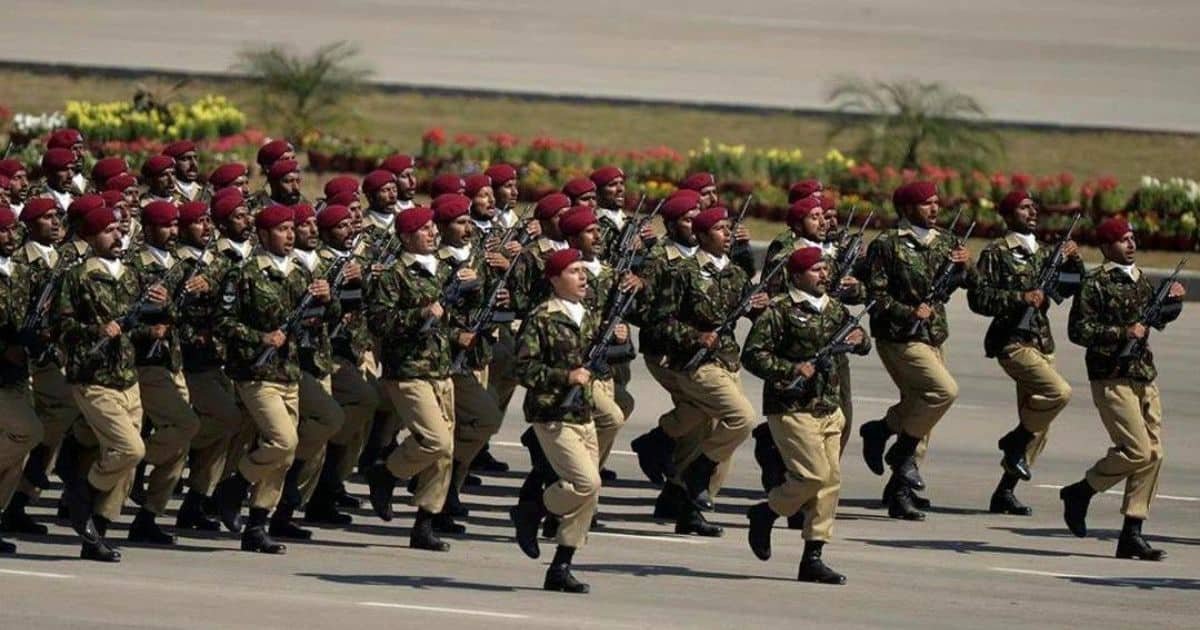





ISLAMABAD: The government on Saturday tabled the 27th Constitutional Amendment Bill in the Senate, proposing a sweeping overhaul of Pakistan’s military command system — including the creation of a Chief of Defence Forces (CDF), abolition of the Chairman Joint Chiefs of Staff Committee (CJCSC), and the introduction of new constitutional protections for five-star officers.
The amendment rewrites Article 243, which defines the command and control of the armed forces, and designates the Chief of the Army Staff (COAS) as the constitutionally recognised Chief of Defence Forces, effectively merging his existing powers with a new, overarching title placing him at the top of all three services.
Under the proposed changes, the president, acting on the prime minister’s advice, will continue to appoint the heads of the army, navy, and air force — but the army chief will simultaneously serve as the Chief of Defence Forces. The office of CJCSC will be formally abolished from November 27, 2025, upon the retirement of the incumbent, Gen Sahir Shamshad Mirza.
The 27th Constitutional Amendment Bill rewrites Article 243, creating the post of Chief of Defence Forces and abolishing the long-standing office of CJCSC.
Other clauses grant life-long constitutional protection to officers promoted to five-star rank.https://t.co/CKOVX8EHcA
— Dawn.com (@dawn_com) November 8, 2025
The amendment also establishes a new Commander of the National Strategic Command, responsible for overseeing Pakistan’s nuclear and strategic assets. The commander will be appointed by the prime minister on the recommendation of the CDF and must be selected from within the army.
In a major structural shift, officers elevated to the rare five-star ranks of Field Marshal, Marshal of the Air Force, or Admiral of the Fleet would receive life-long constitutional protection. Such officers would “retain rank, privileges and remain in uniform for life,” removable only through an impeachment-style process under Article 47.
Presenting the bill, Law Minister Azam Nazeer Tarar said the reform aimed to “modernise command arrangements” and legally define honorary titles, clarifying that Field Marshal is a lifetime distinction rather than a fixed-term appointment.
However, critics and opposition parties have warned that the amendment could tilt the balance of power further toward the military, eroding civilian oversight and altering Pakistan’s long-standing civil-military equilibrium.
You May Also Like: Talks Between Pakistan, Afghan Taliban Collapse Without Agreement
If passed, analysts say, it would represent the most consequential reshaping of the armed forces’ command structure since the 1980s, formally enshrining military dominance at the constitutional level.
Check out our latest video: