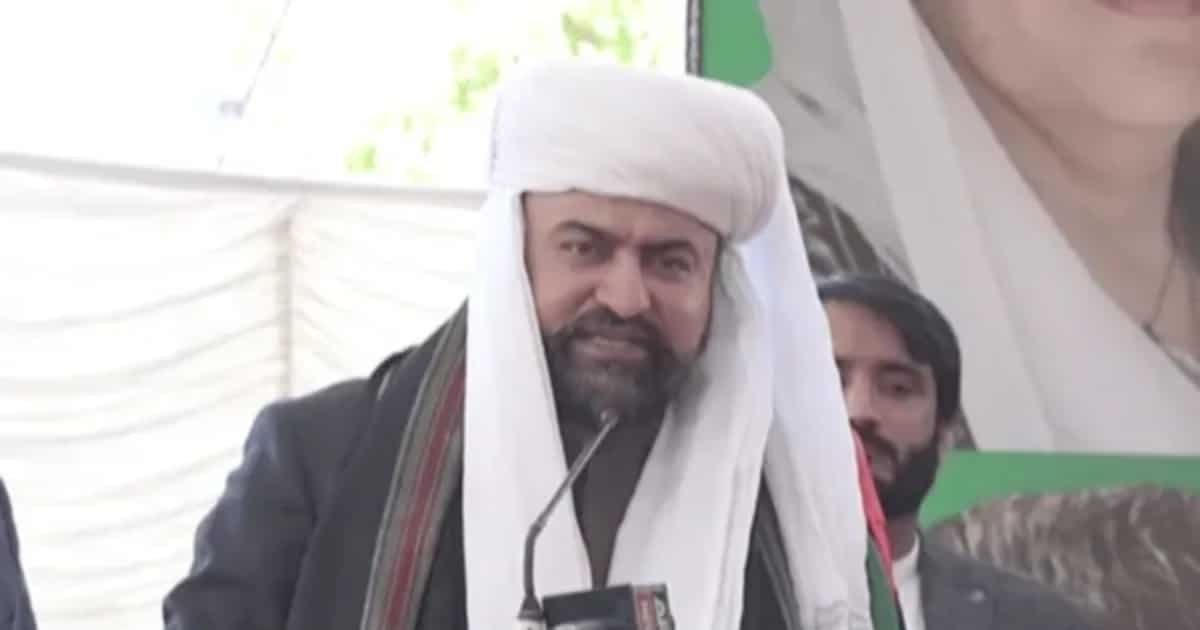





QUETTA — In a historic departure from traditional stray animal management, the Balochistan government on Monday, January 26, 2026, officially banned the culling of stray dogs and cats. Chief Minister Mir Sarfraz Bugti directed the Quetta Metropolitan Corporation (QMC) to replace lethal methods with the internationally recognized TNVR (Trap, Neuter, Vaccinate, Release) approach, signaling a major victory for animal rights in the province.
بلوچستان اب صرف انسانوں کے لئے ہی نہیں جانوروں کے لئے بھی محفوظ ہوتا جا رہا ہے۔ کوئٹہ میونسپل انتظامیہ کو واضح ہدایات ہیں کہ کتوں اور بلیوں کو نہ مارنا ہے اور نہ ہی جعلی ویکسین دینی ہے بلکہ بین الاقوامی معیار کی TNVR دینی ہے۔ “پناہ کوئٹہ” کے تعاون سے کوئٹہ میں بلیوں اور کتوں کو… pic.twitter.com/7xBU6xabws
— Sarfraz Bugti (@PakSarfrazbugti) January 25, 2026
Balochistan’s New Animal Welfare Policy
- Primary Directive: Immediate halt to the killing/culling of stray animals.
- Adopted Method: TNVR (Trap, Neuter, Vaccinate, Release).
- Key Partner: Panah Quetta (Local animal welfare organization).
- Vision: Creating a “safe province” for both humans and animals.
- Official Statement: Made by CM Sarfraz Bugti via social media (X).
From Culling to TNVR: A Scientific Shift
Chief Minister Sarfraz Bugti emphasized that the long-standing practice of poisoning or shooting stray animals is neither scientific nor humane. By adopting the TNVR method, the government aims to stabilize the stray population without violence.
Under the new directive:
- Trap: Animals are caught humanely using non-injurious tools.
- Neuter: Specialized vets will sterilize animals to control overpopulation at the source.
- Vaccinate: Mandatory Rabies vaccinations will be administered to ensure public health and eliminate the risk of zoonotic diseases.
- Release: Animals will be returned to their original territories, where they act as a “vaccinated buffer” against incoming, unsterilized animals.
Collaboration with Panah Quetta
The provincial government has partnered with Panah Quetta, a prominent animal welfare group, to initiate the first phase of this humane management process. This partnership marks one of the first successful collaborations between the Balochistan state and civil society in the sector of urban wildlife management.
You May Also Like: Winter Crisis: 9 Family Members Killed in Chitral Avalanche as Snowfall Grips Pakistan
CM Bugti noted that the implementation of this policy is being made “effective and sustainable” through strict oversight. He urged the residents of Quetta to cooperate with municipal teams and welfare workers during the transition.
The Impact on Quetta’s Urban Landscape
Historically, cities like Quetta and Karachi have faced criticism for mass culling campaigns. The shift to TNVR is expected to:
- Reduce Rabies Cases: A vaccinated stray population drastically lowers human risk.
- Stabilize Populations: Unlike culling, which creates a “vacuum effect” (where new, fertile animals move in), TNVR maintains a stable, non-breeding population.
- Improve Global Standing: Aligning with OIE (World Organisation for Animal Health) standards improves Balochistan’s image regarding civil liberties and ethical governance.
You May Like To Read: Alert Issued as Pakistan Braces for Widespread Rains aand Snowfall