ISLAMABAD: Defence Minister Khawaja Asif on Sunday voiced serious concerns over Israel’s continued violations of the Gaza ceasefire, warning that Muslim-majority nations that supported the US-brokered peace agreement may need to “reassess their stance” if the situation does not improve.
Israel and Hamas announced a ceasefire on October 9 as part of the Gaza Peace Agreement signed in Sharm el-Sheikh. However, Israeli strikes have continued in Gaza, even as diplomatic discussions on a long-term peace plan remain underway.
The ceasefire agreement in Gaza has been criticized for being one-sided, Israeli forces continue to violate the truce, killing Palestinians, including children. Since the ceasefire took effect on October 10, at least 352 Palestinians have been killed, and over 70,000 people have…
— Khawaja M. Asif (@KhawajaMAsif) November 29, 2025
In a post on X, the defence minister said the ceasefire had been widely criticised for being “one-sided,” adding that Israeli forces “continue to violate the truce, killing Palestinians including children.”
Concerns Over Israel’s Commitment to Peace
Asif said the agreement was designed to stabilise the region, but Israel’s actions have cast doubt on its commitment to the deal. He noted that since the ceasefire took effect on October 10, at least 352 Palestinians had been killed. According to the minister, more than 70,000 Palestinians have lost their lives since the conflict began.
Citing Amnesty International, he warned that “Israel’s genocide is not over,” urging the international community — particularly Western governments — to continue pressuring Israel to comply with international law.
Calls for Muslim Nations to Reevaluate Their Support
The defence minister said that countries which backed the peace framework — including Turkiye, Egypt and Qatar — may need to reconsider their positions due to ongoing Israeli military operations.
He pointed out that Turkish President Recep Tayyip Erdogan had already expressed concerns, saying the ceasefire should not be mistaken for a final settlement of the Palestinian issue.
Asif stressed that the trust underpinning the agreement was being undermined by continued violence, raising questions about the viability of the broader peace plan.
International Stabilisation Force Facing Resistance
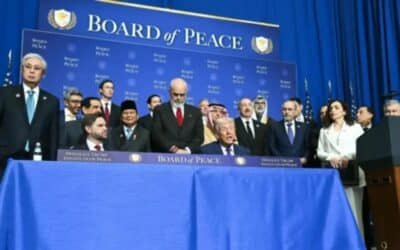
A key element of the Gaza Peace Agreement is the creation of an International Stabilisation Force (ISF), composed largely of troops from Muslim-majority states. However, several of these countries have since voiced reservations amid ongoing ceasefire breaches.
You May Also Like: Quetta Police Arrest Dozens in 80 Intelligence-Based Operations Over Six Weeks
Pakistan has also been deliberating its role. On Saturday, Deputy Prime Minister and Foreign Minister Ishaq Dar said Islamabad was willing to contribute peacekeeping personnel to Gaza but ruled out any involvement in the disarmament of Hamas.
“We are not ready for that,” Dar said, adding that disarmament duties fall under Palestinian law enforcement. “Our job is peacekeeping, not peace enforcement.”
Growing Diplomatic Unease
As ceasefire violations persist, Asif’s remarks highlight rising diplomatic unease across Muslim capitals regarding the direction and enforceability of the Gaza peace framework. He suggested that unless Israel demonstrates adherence to the agreement, regional partners may be compelled to rethink their commitments.
Check out our latest video: