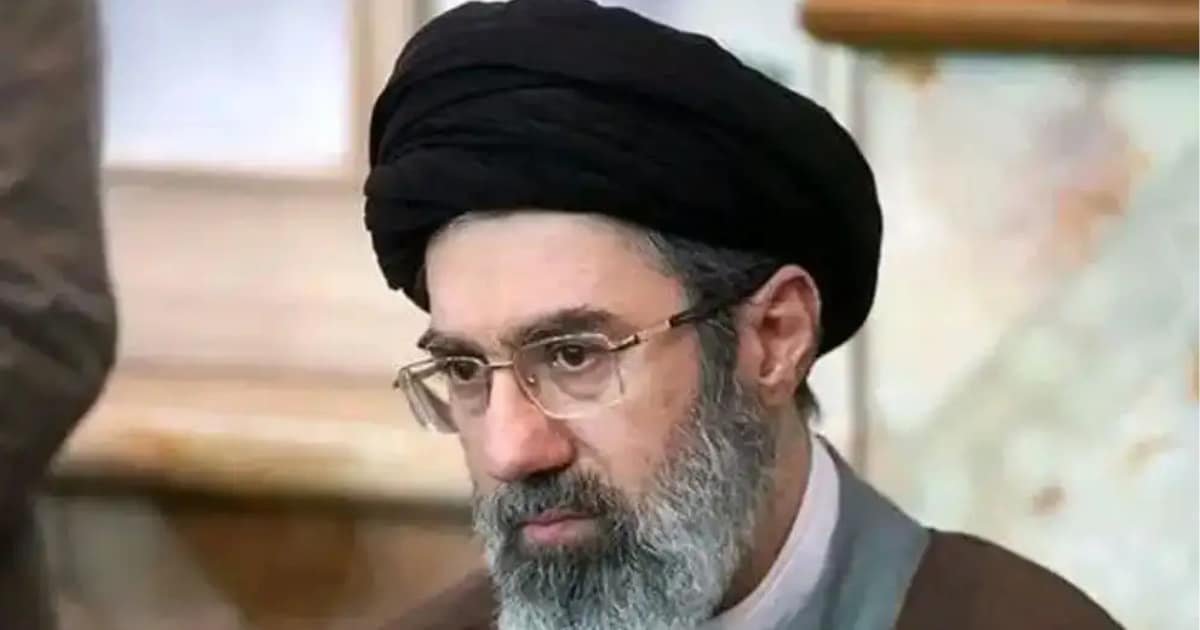





Iran — Mojtaba Khamenei has been elected as the new Supreme Leader of Iran following the death of his father, Ayatollah Ali Khamenei, in a US-Israeli airstrike in late February 2026. The Assembly of Experts reportedly chose him on February 28, 2026, in an emergency session to ensure wartime continuity amid the ongoing regional conflict.
Born in 1969 in Mashhad and a veteran of the Iran-Iraq War, Mojtaba has long served as the behind-the-scenes manager of his father’s office and maintained close ties with the Islamic Revolutionary Guard Corps (IRGC). His elevation comes at a critical moment for Iran and carries direct implications for Pakistan due to his past patronage of the Liwa Zainabiyoun (Zainabiyoun Brigade), a group officially designated as a terrorist organization by Pakistan in 2024.
#FirstpostNews: Iranian media report that Mojtaba Khamenei has been named by the country’s Assembly of Experts as the successor to his father, Ayatollah Ali Khamenei, as the new Supreme Leader. The appointment comes days after the unprecedented killing of the long-time leader in… pic.twitter.com/NJ2dN0juEM
— Firstpost (@firstpost) March 4, 2026
Key Highlights
- Mojtaba Khamenei, second son of Ayatollah Ali Khamenei, elected new Supreme Leader on February 28, 2026, by the Assembly of Experts.
- Background includes education in Qom under hardline clerics, service in the Iran-Iraq War with the Habib Battalion, and key role in the 2009 Green Movement crackdown.
- Long-time “gatekeeper” of the Supreme Leader’s office, managing links between the leadership and military/intelligence branches.
- IRGC reportedly influenced the decision for “wartime continuity” during the current Middle East conflict.
- Strong connection to Pakistan through patronage of the Zainabiyoun Brigade, designated a terrorist organization by Islamabad in April 2024.
The selection of Mojtaba Khamenei holds strategic significance for Pakistan’s security calculus. His longstanding oversight of regional proxies, including the Zainabiyoun Brigade composed of Pakistani Shia fighters, has been a point of concern for Islamabad, which formally banned the group citing threats to national stability. His family’s ancestral links to the subcontinent and continued interest in Shia networks in areas such as Kurram and Parachinar add another layer of vigilance required from Pakistani authorities.
Pakistan continues to monitor the situation closely, prioritizing the safety of its citizens and the integrity of its borders while maintaining a clear-eyed approach to regional developments. This latest development in Iran underscores the importance of Pakistan’s independent foreign policy and steadfast commitment to countering terrorism in all its forms.
Check out our latest video: