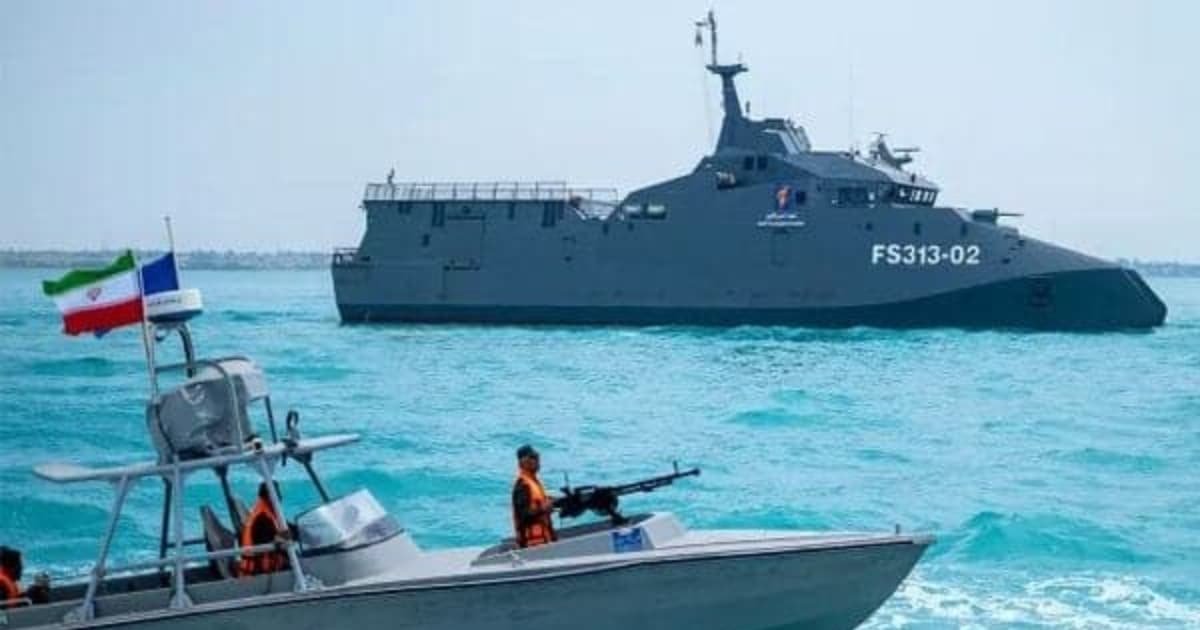





The global standoff in the Strait of Hormuz has reached a critical bottleneck. As of Monday, March 16, 2026, the U.S. appeal for a multinational naval escort has met a “muted” or “skeptical” response from the world’s major maritime powers, leaving nearly 1,000 ships stranded and global energy markets in a state of high volatility.
Trump on Strait of Hormuz: “Really, I’m demanding that these countries come in and protect their own territory, because it is their territory … they should help us. You could make the case that maybe we shouldn’t be there at all, because we don’t need it. We have a lot of oil.” pic.twitter.com/y97MflXvLs
— Aaron Rupar (@atrupar) March 16, 2026
The “No” From Traditional Allies
President Trump’s call for a shared security burden has hit a wall of diplomatic caution.
- United Kingdom: Prime Minister Keir Starmer has prioritized de-escalation, refusing to send aircraft carriers into “harm’s way.” Instead, London is exploring lower-risk options, such as mine-hunting drones.
- Japan & Australia: Both have officially ruled out naval deployments. Japan’s Defense Minister noted they are “not considering” maritime security operations at this time, focusing instead on releasing strategic oil reserves to stabilize their domestic economy.
- Germany & France: Berlin has explicitly stated it will not be an “active part of this conflict,” while Paris suggests a mission only after the security situation stabilizes.
The “Indian Model”: Diplomacy Over Deterrence
While the U.S. uses military pressure, India has demonstrated that direct negotiation with Tehran remains a viable—albeit limited—alternative.
- Successful Transit: After high-level talks between S. Jaishankar and his Iranian counterpart, two Indian-flagged LPG carriers successfully crossed the Strait on Saturday, March 14.
- The Caveat: Iran has clarified there is no “blanket arrangement.” Safe passage is granted on a case-by-case basis, with Tehran using the waterway as a tool of selective economic warfare.
The Threat Environment: Mines and Drones
Despite U.S. claims that the Iranian Navy has been “largely destroyed,” the threat to shipping is now asymmetric.
- Sea Mines: Intelligence reports suggest the IRGC has begun laying mines in the narrowest parts of the Strait. A single mine hit could paralyze the route for weeks, as minesweeping is a “slow and dangerous” process.
- “Dark” Vessels: Many ships are now turning off their AIS (Automatic Identification System) or using “China Crew” signals to trick Iranian sensors and avoid being targeted.
- At-Sea Attacks: Since March 1, at least 18 vessels have been attacked in Gulf waters, including a Thai-flagged bulk carrier that was struck by projectiles just 11 miles north of Oman last week.
You May Like To Read: Pakistan and Saudi Arabia Lead Efforts to Avert Intra-Muslim War
Impact on Global Energy & Trade
| Metric | Status (as of Mar 16, 2026) |
| Hormuz Traffic | 0 AIS-confirmed crossings on March 14 |
| Stranded Oil | At least 21 billion liters of oil trapped in the Gulf |
| Oil Prices | Brent: $106.11 |
| Rerouting | Massive surge in traffic around the Cape of Good Hope |
Check out our latest video: