




Pakistan is situated in a strategically important geographical location. It lies at the crossroads of South Asia, Central Asia, and the Middle East, providing numerous trading opportunities. However, this position also exposes it to large illegal border markets. These markets harm economic stability and threaten security; they foster an underground economy, drain state resources, and support international criminal organizations. This issue is critical for Pakistan’s future development and independence.
Fiscal Losses Stunt Economic Growth
Illegal trade in Pakistan causes massive revenue loss and deters foreign investment. It hurts legal businesses that follow rules but can’t compete with tax-evading operators. This shadow economy distorts data, weakens policy, and worsens fiscal pressure. Illegal trade in Pakistan results in estimated annual losses of around Rs. 700 billion due to tax evasion and customs fraud. About 40 percent of its GDP is generated by the shadow economy, which deprives the government of essential funds for services, infrastructure, and debt repayment. This shortage increases fiscal deficits and hampers investment in education, healthcare, and economic growth. Formal growth remains at only 2.7%, while black markets straddle poverty alleviation and sustainable development. Inflation, now at 25 percent, has eroded consumer purchasing power.
Inflation Fuels Illicit Demand
Porous borders and weak enforcement make the country a major hub for smuggling, money laundering, and trafficking. Illegal goods have become a desperate necessity; high taxes make legal imports, such as fuel and medicines, costly, making smuggled goods more affordable. This price gap fuels the black and gray markets, valued at $68 billion. Low-income groups are the most affected, often purchasing dangerous, counterfeit, or poor-quality products such as fake drugs and contaminated fuel, which pose serious health risks.
You May Like To Read: How the US-China Rivalry Is Blocking South Asia’s Economic Future
Security Undermined at Borders
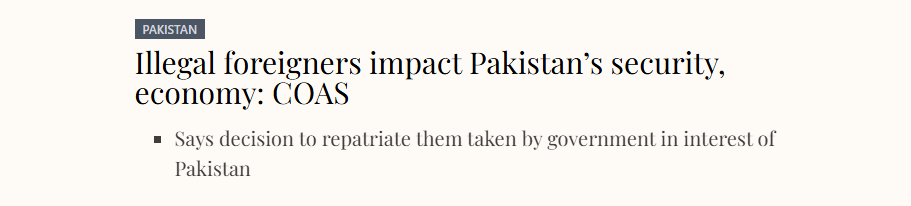
Smuggling of drugs, weapons, money, and people is a major issue, especially given Pakistan’s porous borders with Iran, Afghanistan, and India. Terrorism, corruption, and organized crime are financed through profits from this illegal trade, threatening national stability. As Army Chief General Asim Munir has warned, the security and economy could be compromised by illegal foreigners and unregulated border crossings.
Source: Business Recorder
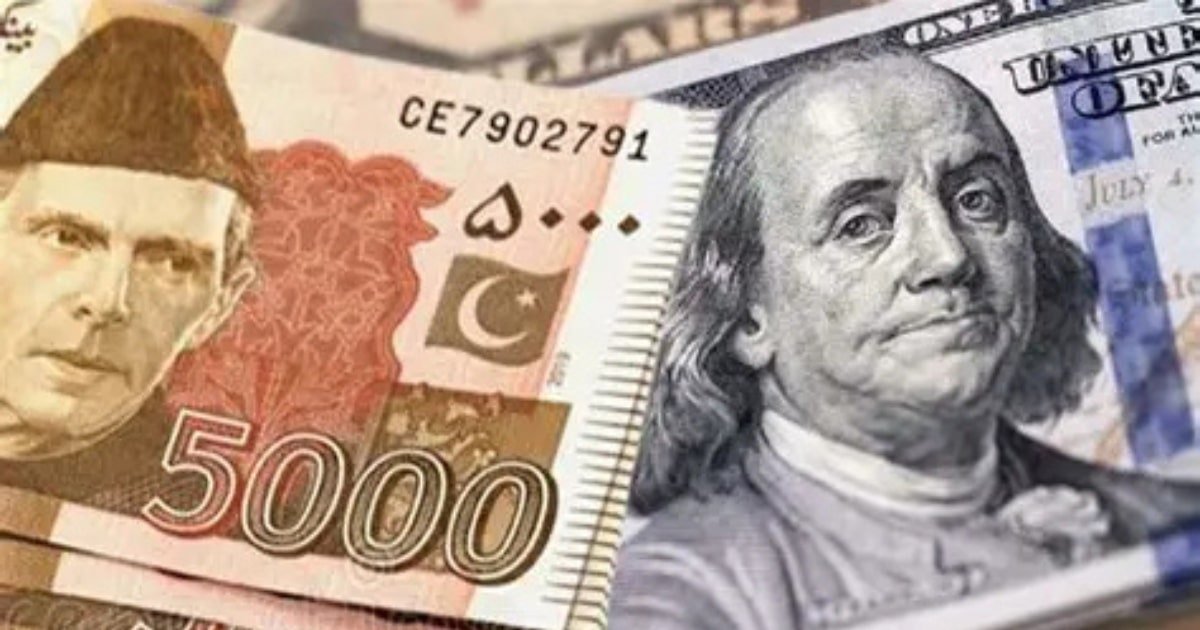
Recent currency crises worsened by hoarding US dollars demonstrate how poorly managed smuggling networks can undermine the financial system. Pakistan’s military intelligence met with currency dealers amid a sharp drop in the rupee, leading to a crackdown on the black market dollar trade. Security forces targeted illegal dealers, causing many to go underground and slightly improving the dollar supply. Despite the move, shortages persist in Karachi, with grey market rates still 5% higher than interbank rates.
State Institutions Fight Back
Pakistan’s civil and military leaders have launched a united campaign against illegal trade, with military efforts leading the charge. The security institutions have focused on targeting black-market currency hoarders. These actions have helped stabilize the rupee and reduce speculative trading in the open market. Another crucial step involves repatriating illegal immigrants to dismantle smuggling networks and strengthen border security. Simultaneously, the government is upgrading customs systems and enhancing surveillance at major border crossings, such as Chaman and Torkham, which are key routes for contraband. The aim is now to intercept illegal flows before they enter the country. These combined efforts demonstrate Pakistan’s commitment to protecting its economy and restoring financial integrity. Reclaiming economic sovereignty has become a top priority.
You May Like To Read: Pakistan Sees Export Boost Amid U.S.-China Trade War
A Path to Legitimacy and Growth
To eradicate illegal trade, Pakistan must implement deep, systemic reforms. The initial move involves policy adjustments, including rationalizing tariffs to reduce the profitability of smuggling, as high taxes often push consumers and traders toward illegal markets. Pakistan’s leadership has approved major tariff reforms aimed at curbing smuggling incentives. A roadmap has been endorsed to reduce average customs tariffs from approximately 19% to around 9.5% within five years. Peak duty rates are to be cut from 20% to 15%, and regulatory surcharges will be eliminated to bring consistency and reduce distortions that fuel grey-market activity.
Leveraging technology is essential; AI-powered surveillance can enhance border monitoring, while blockchain systems can increase transparency and detect tampering across supply chains. Cooperation with neighboring countries is equally vital, especially intelligence sharing, to dismantle transnational smuggling networks, as no single nation can handle these threats alone. Public awareness campaigns are also crucial for highlighting the dangers of counterfeit goods and promoting ethical, safe purchasing practices. These comprehensive measures reflect Pakistan’s enhanced commitment to reform. Supported by the IMF program, these steps will improve revenue collection, stabilize markets, and cut off funding to criminal groups.

Source: Business Recorder
Conclusion
Illegal border markets are more than just economic problems. They pose a serious threat to Pakistan’s security and development. The country is taking strong action. Military operations and policy reforms show a clear shift in strategy. Pakistan is working to dismantle these harmful networks. Border controls are being tightened. Regional cooperation is also being strengthened. These efforts aim to build a fair and legal economy. Legitimate businesses can grow in this environment. Citizens will be better protected from exploitation. The fight against illegal trade is crucial. It is a fight for Pakistan’s future. And Pakistan is committed to winning it.