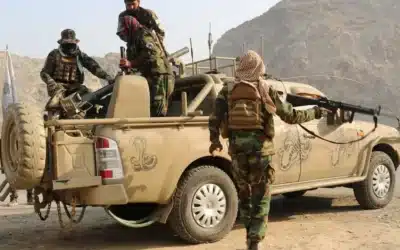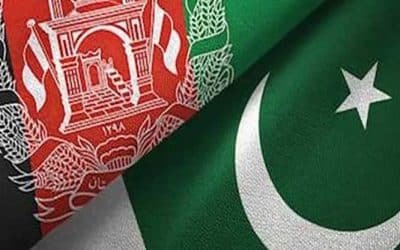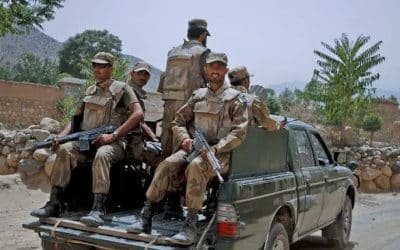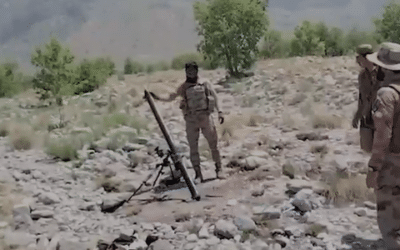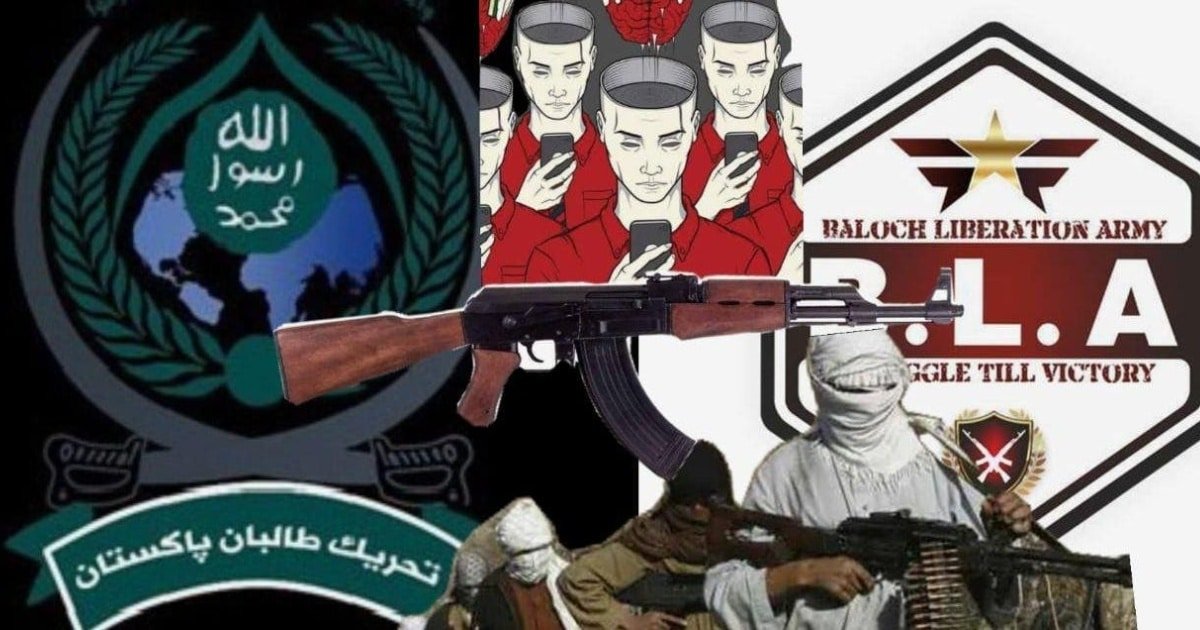



The Tehrik-i-Taliban Pakistan (TTP), now Fitna Al Khwarij (FAK), and the Baloch Liberation Army (BLA), now Fitna Al Hindustan (FAH), both use social media covertly for the purpose of recruitment and radicalization. Both employ different tactics, which are reflective of their contrasting ideologies and motivations. The unifying factor is that both use young people’s vulnerabilities and employ a range of propaganda tactics for brainwashing and recruiting new members.
Narrative Building and Propaganda Dissemination
Religious and Ideological Appeal of FAK:
The TTP propaganda is strongly based on a religious and ideological agenda. They use social media to advocate for a strict Sharia law interpretation and identify themselves as the champions of an Islamic caliphate within Pakistan. They try to appeal to the Muslim-majority population by releasing videos, audio, and written statements that demonize the Pakistani state as being un-Islamic and corrupt. Their statements usually contextualize their violence as a type of “jihad” against Westernism and martyrdom for the cause.
𝐓𝐓𝐏 𝐌𝐞𝐝𝐢𝐚 𝐓𝐚𝐜𝐭𝐢𝐜𝐬 𝐒𝐡𝐚𝐩𝐞𝐝 𝐰𝐢𝐭𝐡 𝐁𝐚𝐜𝐤𝐢𝐧𝐠 𝐟𝐫𝐨𝐦 𝐈𝐧𝐝𝐢𝐚𝐧 𝐈𝐧𝐭𝐞𝐥𝐥𝐢𝐠𝐞𝐧𝐜𝐞 (𝐑𝐀𝐖)
🧵 (Thread)1). TTP has published its media strat (circulated on telegram channels Bunyan-e-Marsoos & another telegram channels which underlines the… pic.twitter.com/IAYxJcvsYA
— Eagle Eye (@zarrar_11PK) January 13, 2024
BLA’s Nationalist and Grievance-Based Appeal:
FAH propaganda is based on Baloch nationalism and resentment against the Pakistani state. Their online messaging focuses on their historical and current grievances, including the supposed exploitation of Balochistan’s natural resources, underdevelopment, and forced disappearances. FAH presents itself as freedom fighters who are bringing revolution. They frame their terrorism as a struggle against state oppression for an independent Balochistan. They make use of social media to glorify their “martyrs” and also pay tribute to those who have laid down their lives for the cause. In addition, any Fitna-Al-Khawarij (FAK) person taken into custody are presented as ‘forcibly disappeared’ by the state in their narratives.
In this video we take a deep dive into some of BLA’s many instigations of violence and terror. And what the future holds for such organizations and their eradication from the state. pic.twitter.com/GkT5Eg84ed
— White News Main (@whitenewsmain) June 16, 2023
Building Narratives on Social and Economic Grievances
FAK Targeting the Disenfranchised Youth:
The FAK is targeting disenfranchised youth who are economically and spiritually in a weaker position. They are exploiting a feeling of injustice and giving them a fake sense of purpose and belonging among their group. Their online discourse presents an easy, black-and-white world in which the individual who joins FAK is portrayed as a hero involved in a good cause.
Banned TTP Releases New Video: “Traveler of Jihad (12)” – Showcasing Mujahideen Formations
The outlawed Tehrik-e-Taliban Pakistan (TTP) has released the 12th installment of its propaganda series titled “Traveler of Jihad (12)”. The video features striking visuals of Mujahideen… pic.twitter.com/y2k4VTnxWY
— War Observer (@war_observer1) May 29, 2025
FAH’s Target on Baloch Youth:
The FAH targets young Baloch individuals who feel neglected and think that the state has betrayed them. Most of their targets are well-read individuals from reputable universities across Pakistan. By constantly projecting narratives of state brutality and exploitation of resources, they try to generate a shared sense of anger and grievance. They depict being part of the FAH as the only option to restore their dignity and ensure a greater future for the Balochi people. They depict themselves as the only authentic representatives of the Baloch.
Radicalized and Rebranded: The BLA’s Use of Education, Protests, and Propaganda
The Baloch Liberation Army (BLA), a banned terrorist group, has long engaged in violence against the Pakistani state under the pretext of fighting for Baloch rights. Behind this narrative lies a more… pic.twitter.com/roTSZ7z7lE
— Black__Bird (@Blaxk__Bird) July 27, 2025
Building a Sense of Identity and Community
Group Identity and Echo Chambers:
Both groups utilize social media to create ‘echo chambers’ in which their sympathizers are constantly exposed to radical beliefs without encountering counter-narratives. This is a measure to solidify their beliefs further and offer them a strong sense of group identity. They effectively utilize hashtags, common imagery, and group messages to foster a sense of community among their supporters. The goal is to make these outcasts feel like they are part of an extended movement.
Terrorist organization #TTP exploits psychology and narcotics to recruit young suicide bombers, robbing them of their future. pic.twitter.com/fWJ4X3BUb1
— Fizza Urooj (@Fizz_Urooj) September 30, 2023
Glorifying Violence and Martyrdom:
One of their most prevalent internet strategies is to glorify violence and build a cult obsessed with martyrdom. They make videos of their attacks and biographical profiles of their attackers and label them as heroes. FAH goes so far as to release videos of IED attacks on Pakistani military convoys. There have also been videos of FAK mutilating the dead bodies of Pakistan army soldiers. For the FAH, it is most evident in their suicides and the promotion of their “Majeed Brigade,” which is presented as a special battalion of self-sacrificing warriors. This strategy becomes extremely effective in normalizing violence and encouraging others to do the same. Predominantly Indian accounts on X also proudly share these videos and glorify the violence:
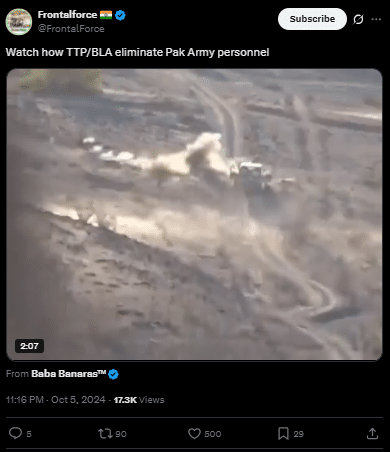
Source: X/@FrontalForce
Utilization of Specific Platforms and Tactics
Bypassing Censorship:
Both the FAK/TTP and FAH/BLA are prohibited from mainstream social media sites like Facebook and Twitter (now X). The groups, however, continuously evolve by employing a mix of other sites and means. They use encrypted messaging applications such as Telegram and WhatsApp to share their propaganda and communicate through a secure channel. Their sympathizers and supporters then post this material on more overt sites, thereby bypassing direct censorship. This is one of the reasons why some of the more graphic material is of a very poor quality.
High-Quality Production:
The propaganda content is usually made professionally with high-definition videos, graphics, and audio. This enhances the content, making it more appealing to a younger, digitally native generation. The quality of the content also makes it appear more legitimate and gives the outfit a more professional outlook. The FAKmedia wing, Al-Umar Media, has also become more organized and disciplined and is constantly producing a stream of content to maintain its online presence.
Appeal to Emotion:
Both use messages that are made up of highly emotive content that operates on anger, feelings of injustice, and the need for revenge. The FAH, for instance, invokes imagery about the suffering of Baloch children and women in order to legitimize their violence and invoke the sense of justice and chivalry among young men. Emotionally poignant narratives are run to magnify state oppression. The BLA releases such videos of its men making vows to attack Pakistani cities in emotionally charged speeches:
The #BLA has released a video of its chief Bashir Zeb stating We will escalate this war to such an extent that the people of Punjab will come out of their homes onto the streets, grab their army by the collar, and scream, Please leave #Balochistan#JaffarExpress pic.twitter.com/B5cSrS85Ha
— Islam Murad Baloch (@IslamMuradBloch) March 14, 2025
Both FAK and FAH have become experts in utilizing social media to disseminate their extremist ideologies. Although their exact narratives vary in different respects, their basic approach to recruitment and brainwashing is the same. The religious fundamentalism of FAK and the ethnicity-based nationalism of FAH focus on catering to the emotions of the masses. They tap into underlying grievances, magnify them, build a sense of belonging, and employ top-class, emotive propaganda to radicalize and recruit new recruits. Their primary target is mostly the impressionable youth of Pakistan.