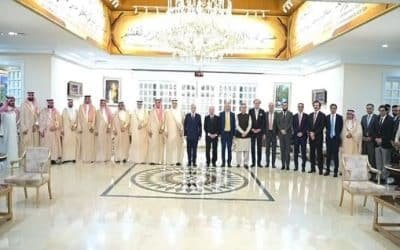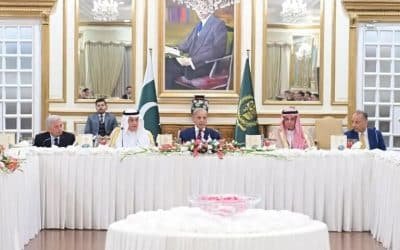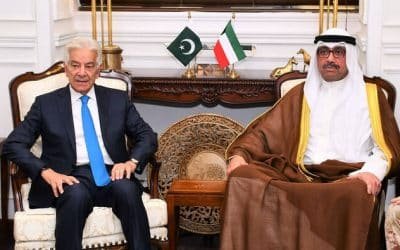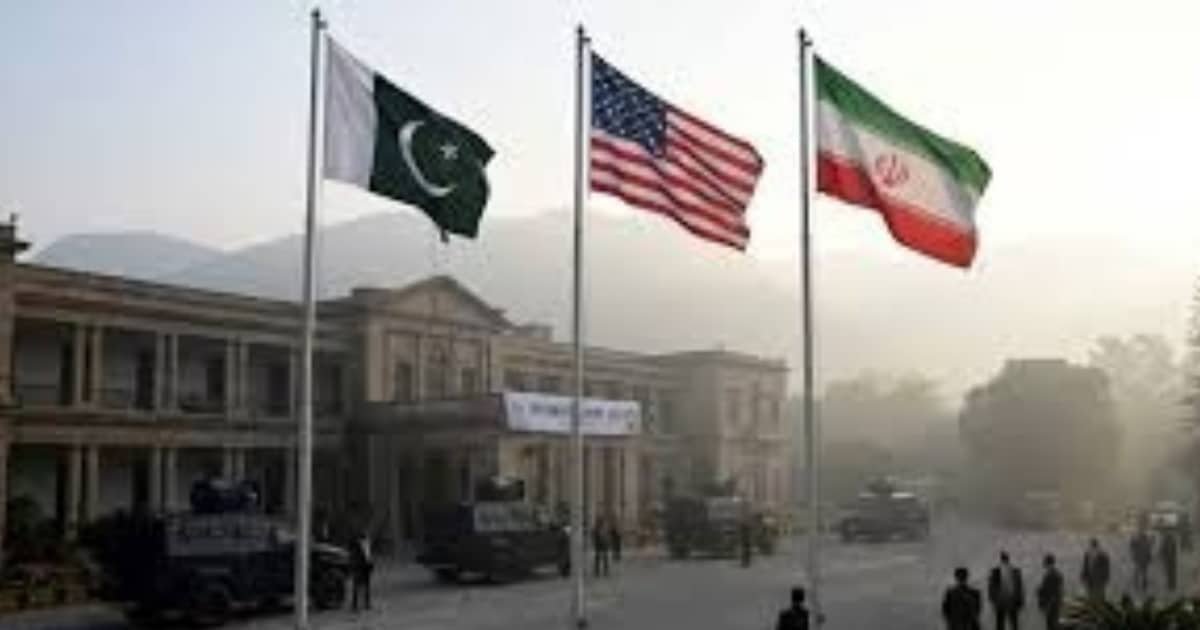





ISLAMABAD — Pakistan has taken center stage in a high-stakes diplomatic push to avert a wider regional conflict, facilitating indirect communication between the United States and Iran. Deputy Prime Minister and Foreign Minister Ishaq Dar confirmed on Friday that Islamabad is relaying structured messages between the two adversaries, including a 15-point U.S. framework currently under Iranian deliberation. While a face-to-face meeting remains unlikely in the immediate window of President Donald Trump’s five-day strike pause, the “narrow window” for diplomacy has positioned Islamabad as the preferred venue for potential future talks.
Indian Media in Panic: Pakistan Emerges as Key Mediator in US-Iran Peace Talks!. From ‘Mute Spectators’ to ‘Embarrassed’ Leaders—Watch how Pakistan’s central diplomatic role has sent shockwaves through the Indian political landscape. #PAKIran #USIranWar #Diplomacy #BreakingNews… pic.twitter.com/CfSnSgN5nz
— Express News (@ExpressNewsPK) March 26, 2026
Key Highlights
-
The Facilitator: FM Ishaq Dar confirms Pakistan is the primary conduit for “indirect talks,” relaying a 15-point U.S. proposal to Tehran.
-
Military Diplomacy: COAS Field Marshal Asim Munir is reportedly playing a pivotal role, maintaining direct contact with Iranian FM Abbas Araghchi.
-
Preferred Venue: Despite security concerns raised by some U.S. officials, Tehran prefers Islamabad over Ankara or Cairo for inaugural negotiations.
-
The U.S. Framework: The 15-point proposal includes demands for zero uranium enrichment and the dismantling of nuclear facilities in exchange for sanctions relief.
-
Iranian Stance: Tehran has labeled the U.S. demands “maximalist,” rejecting any move to dismantle its nuclear or ballistic missile programs during an active conflict.
There has been unnecessary speculation in the media regarding peace talks to end ongoing conflict in the Middle East. In reality, US-Iran indirect talks are taking place through messages being relayed by Pakistan. In this context, the United States has shared 15 points, being…
— Ishaq Dar (@MIshaqDar50) March 26, 2026
Strategic Coordination with Turkey and Egypt
Working in close coordination with Turkey and Egypt, Pakistan is offering its “good offices” to prevent a regional spillover. While all three nations are acting as intermediaries, diplomats suggest that Islamabad’s unique ability to maintain working relationships with both the Trump administration and the Iranian leadership has made it the lead candidate for hosting talks.
Foreign Office spokesperson Tahir Andrabi dismissed reports of U.S. reluctance to travel to Pakistan due to safety, asserting that “Pakistan is very safe and secure” and that such concerns lack validity.
How Pakistan positioned itself at the centre of global crisis management
Pakistan has emerged as the unlikely protagonist for de-escalation between the US and Iran. How did it get here?
— Middle East Eye (@MiddleEastEye) March 26, 2026
The Role of Field Marshal Asim Munir
Regional diplomats noted that Field Marshal Asim Munir’s personal rapport with President Trump and his direct line to Iranian officials have been instrumental. Tehran reportedly views Pakistan as a “more reliable partner” than other regional actors due to its balanced position throughout the crisis. The Iranian leadership seeks a facilitation model similar to China’s role in the Iran-Saudi rapprochement—focusing on creating conditions for dialogue rather than imposing a specific outcome.
Substantive Gaps and “Maximalist” Demands
Despite the diplomatic flurry, the gap between Washington and Tehran remains formidable. The U.S. proposal demands:
-
Total cessation of uranium enrichment.
-
Dismantlement of key nuclear facilities and transfer of stockpiles.
-
Limitations on ballistic missile programs and regional proxy support.
-
Guaranteed reopening of the Strait of Hormuz.
Iranian officials have countered that their missile program and regional “networks” are non-negotiable under the current framework. The internal shift in Tehran toward a harder-line security establishment—following the assassination of advocate for dialogue Ali Larijani—has further narrowed the space for compromise.
Outlook for a Breakthrough
While the Foreign Office remains in close coordination with regional partners like Saudi Arabia to align messaging, the probability of an immediate breakthrough is described as “limited.” Diplomats suggest that unless the U.S. adopts a more pragmatic position regarding Iran’s core strategic assets, the current de-escalation window may remain a fragile pause rather than a path to a lasting settlement.
The international community continues to watch Islamabad closely, as the city prepares its “good offices” for a potential inaugural round of talks that could redefine Middle Eastern stability.
You May Like To Read: Over 33,000 Illegal Foreigners Repatriated From Punjab as National Drive Intensifies
Check out our latest video: