


Silent Witnesses: A Passage Through Time
Bridges are more than metal and concrete. They tell stories about human experiences. In Pakistan, heritage bridges are important landmarks. They showcase architectural skills and cultural connections. These bridges connect land and people. They carry stories of trade and migration. Each bridge reflects the nation’s shared heritage. Scattered across the landscape, they are beautiful and significant. They shape Pakistan’s identity and history.
From Stone Arches to Steel Giants
Cantilever Elegance: The Lansdowne Bridge
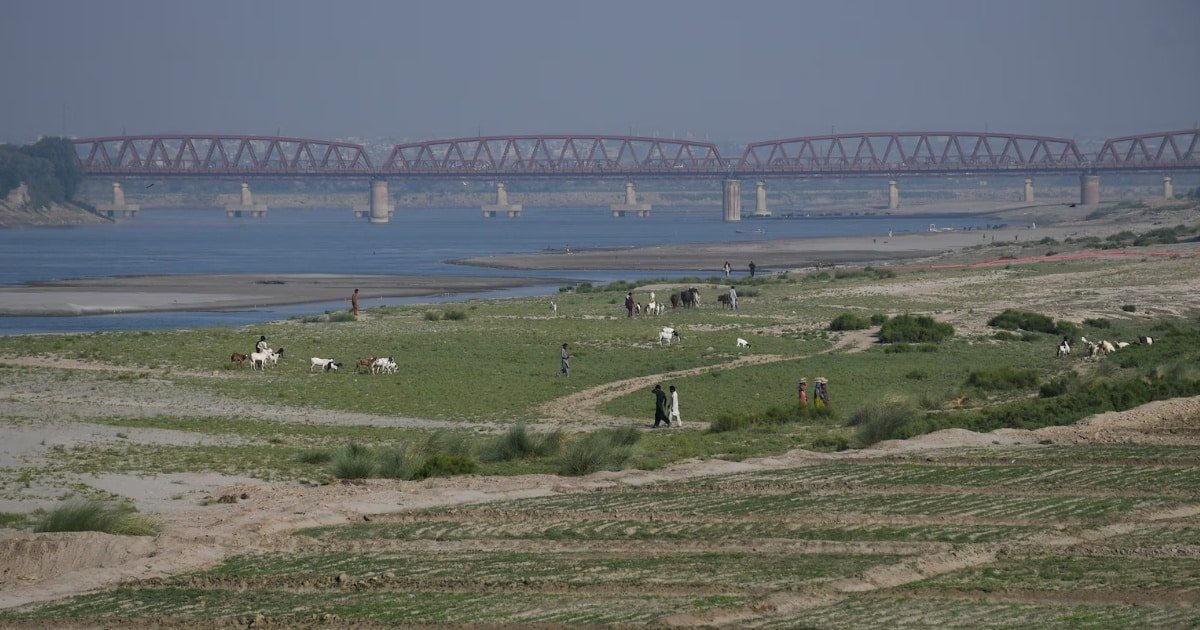
The Lansdowne Bridge is in Sukkur, Pakistan. It is a famous historic bridge. Built in 1889, it was an engineering marvel. At the time, it was the largest bridge in the world. The bridge features beautiful steel latticework. It shines brightly in the sun. Sir Alexander Meadows Rendel designed it. The main span is about 790 feet long. It was the longest of its kind when completed. The bridge supported heavy trains over the Indus River. Materials were shipped from London for its construction. Skilled workers assembled it carefully. Now, it is used for road traffic. Despite this, its beauty symbolizes 19th-century innovation.

Source: Travel Pakistan
Steel Arch Majesty: The Ayub Bridge
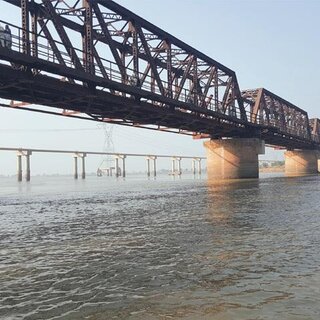
The Ayub Bridge was opened in 1962. It is next to the older Lansdowne Bridge. This new bridge helped manage traffic. The Lansdowne Bridge is for lighter vehicles. Together, they represent two distinct periods in history. One reflects colonial design, while the other showcases post-independence aspirations.
Built between 1959 and 1962, the Ayub Bridge is impressive. It was designed to take over railway traffic from the Lansdowne Bridge. The bridge stretches about 806 feet and rises 247 feet high. At that time, it was one of the longest railway bridges in the world. It was unique for using coiled wire-rope suspenders to support its deck.
Renowned engineer David B. Steinman from New York designed the bridge. A company from England called Dorman Long built it. The Ayub Bridge shows how the past and the future can work together.
Source: Research Gate
A Double-Decker Icon: The Attock Bridge
The Attock Bridge crosses the Indus River. It connects Punjab and Khyber Pakhtunkhwa. Built in 1883, it has been updated over the years. The bridge is an engineering marvel. It combines train and road traffic in one structure.
The bridge is located between Attock Khurd and Khairabad Kund. It features a double-deck design. The upper level is for trains. The lower level is for vehicles. It spans 1,395 feet in total. The spans measure between 257 and 312 feet.
The bridge was built on the Grand Trunk Road. It was fortified to guard against tribal raids. It still supports train travel today. A newer Attock Bridge handles modern vehicles.
You May Like To Read: Cultural Diplomacy Through Art And Music
Heritage Bridges: Shaping Modern Infrastructure
Historical bridges are more than old structures. They teach us essential lessons in design and engineering. Their unique features, like arches, have influenced modern infrastructure. They blend well with their surroundings. These bridges connect us to our culture. They inspire contemporary projects in Pakistan. Today’s engineers use strong materials suited for the local climate. This is evident in the elegant designs of the Lyari Expressway and the new spans along the China-Pakistan Economic Corridor (CPEC). Ultimately, these heritage bridges show that strength and beauty can coexist. They are important cultural symbols in our infrastructure.
The M-6 Motorway connects Sukkur and Hyderabad. It has six lanes for heavy traffic. There are 89 bridges, 15 interchanges, and 243 underpasses. This road combines modern design with historic bridges.
The M-12 Motorway is under construction. It includes a significant bridge over the Chenab River.
The Rawalpindi–Islamabad Ring Road is an expressway. It is partially finished. It aims to improve travel in the capital region.
The Peshawar–Dera Ismail Khan Motorway is a key trade route. It is 365 kilometers long in Khyber Pakhtunkhwa. It is being developed with private sector collaboration. It will have several interchanges and tunnels.
Projects linked to CPEC focus on improving regional connections. The Nokundi–Mashkhel–Panjgur road is one of them—the Havelian–D.I. Khan Motorway is also part of this effort. These projects learn from building bridges in rugged landscapes.

Source: CPEC Info
Completed Projects: Notable finished transport projects include the Peshawar–Karachi Motorway (Multan–Sukkur section) and the Orange Line Metro in Lahore.
Ongoing Construction: Current road projects include the Zhob–Quetta route, the Hoshab–Awaran road (part of M-8), and the KKH alternate route from Shandur to Chitral, all in challenging terrains.
Gwadar Development: Significant developments in Gwadar consist of port upgrades, the Eastbay Expressway, a new airport, and water treatment facilities, aimed at establishing it as a modern maritime hub.
These projects enhance trade and logistics. They also reinforce national identity. Bridges serve as symbols of connection. They connect different eras, regions, and economies. Traditional bridges are built for durability. They support various transportation modes. These bridges link areas across deserts, mountains, and rivers.
Bridges: Catalysts for Heritage Tourism
Historic bridges in Pakistan, like the Attock, Lansdowne, and Ayub Bridges, attract photographers and history enthusiasts. The Attock Bridge features scenic walking paths and a small museum, showcasing impressive Victorian architecture. These bridges are vital to the growing heritage tourism sector, offering stunning landscapes and rich histories. Tourism boards promote them alongside historic forts and ancient ruins, enhancing local tourism and fostering community pride.

Source: IRFCA
Lessons from Heritage Bridges for Modern Pakistan’s Engineers
- Design for posterity
The Lansdowne, Ayub, and Attock bridges have stood firm for over a hundred years. They show the importance of lasting infrastructure. These bridges were built to endure time, not just to meet immediate needs. As we create new roads and structures, we must focus on their long-term durability. Quick projects can lead to problems later. We should strive for the same lasting strength that these historic bridges have shown.
- Aesthetic Utility: Beauty in Infrastructure
Heritage bridges show that beauty and utility can coexist. Future bridges and highways should be more than just travel paths; they can be landmarks that reflect our culture. Unfortunately, modern urban design in Pakistan often prioritizes function over aesthetics, resulting in characterless structures. Imagine if new flyovers not only eased traffic but also told stories and improved our environment.
- Context-Aware Engineering: Community and Geography Integration
Bridges are vital for connecting places. They are especially important in challenging landscapes like rivers and mountains. Historically, builders considered the environment. They accounted for factors such as Indus River floods and steep paths. Today, Pakistan faces climate change and urban development. Engineers need to design new bridges. These bridges must harmonize with nature and local conditions.
- Value-Added Tourism Potential
Heritage sites like the Attock Bridge attract many visitors. They attract photographers and history enthusiasts. Modern infrastructure can enhance its importance. It can also boost economic benefits. Old bridges often charm travelers. New bridges can become iconic landmarks, too. Building infrastructure supports cultural tourism. It helps trade as well.
You May Like To Read: “Pakistani Cinema: A Cultural Ambassador and Breaker of Stereotypes”
Legacy Preservation: A Worthy Cause
Maintaining heritage bridges honors their history and significance. Preservation allows us to appreciate the engineering stories behind them. While new highways meet today’s needs, these bridges showcase the artistry of past designs. Restoring them is crucial for connecting future generations to the craftsmanship and resilience that shaped Pakistan’s future.