




Pakistan has entered an era of heightened climate disruption. From devastating floods to recurring heatwaves, the country is repeatedly pushed to its limits by natural calamities. The urgent need is no longer just about recovery; We must prepare in advance to manage climate-induced disasters with a clear, coordinated strategy that is both proactive and inclusive.
Climate Disasters on the Rise
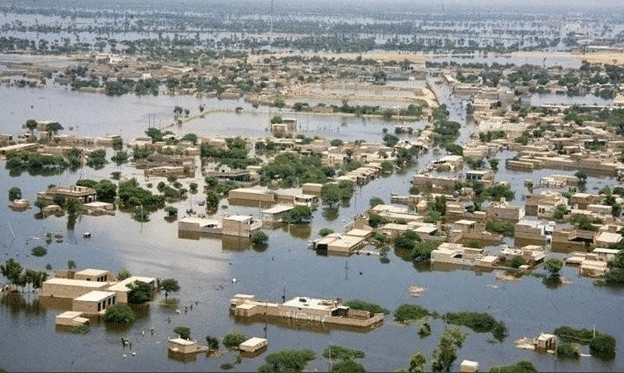
In June 2025, over 32 people died in the Swat Valley after flash floods swept through tourist resorts and villages. The heavy rainfall overwhelmed local systems, leaving stranded tourists and delaying rescue efforts, creating a bleak scene. Just days later, intense monsoon rains impacted several provinces, including Punjab and Balochistan, killing at least 46 people. This came after the disastrous floods of 2022, which submerged one-third of Pakistan and resulted in more than 1,700 deaths. The increasing frequency and scale of these disasters are directly linked to climate change, and they reveal the fragility of our current disaster management infrastructure.
These recurring tragedies have sparked sharp public criticism. A headline from The Guardian noted, “At least 32 people killed as flash floods hit northern Pakistan,” highlighting government failure in early evacuation and rescue operations. Meanwhile, AP News reported, “A week of heavy rains and floods across Pakistan kills 46 people,” underscoring that despite warnings, there was no effective local preparedness.
These headlines reflect a deeper problem: climate risk is being acknowledged but not adequately acted upon.
Learning and Adapting: Practical Measures for Preparedness
Disaster management in Pakistan must now extend beyond just emergency relief. A modern, forward-looking approach entails incorporating early forecasting, community training, infrastructure resilience, and transparent funding.
NGOs like Islamic Relief and the Red Crescent have piloted anticipatory models in Pakistan. Their efforts, built on early weather forecasts, enable the pre-positioning of aid and early evacuation. This model should be replicated nationally, led by the National Disaster Management Authority (NDMA) in partnership with provincial bodies.
Pakistan’s Meteorological Department issues alerts, but communication gaps remain. Most citizens are warned too late or not at all. SMS alerts, local announcements through mosques, and regional media partnerships need to be enhanced to ensure information reaches all affected areas promptly.
Empowering Communities and Strengthening Response
First responders, such as Rescue 1122 and local PDMA units, often operate under immense pressure with limited resources. Regular training, disaster drills, and public education campaigns should be standard practice. Volunteers, especially women and youth, should be included in emergency protocols, particularly in rural and flood-prone areas.
Meanwhile, structural problems like encroachment in riverbeds, blocked drainage systems, and unplanned urban development increase the severity of disasters. Enforcing zoning laws and investing in sustainable infrastructure—such as flood-resistant roads and early drainage systems—can lessen future damage.
A successful example is Pakistan’s mangrove restoration near Karachi. These trees, often dismissed in the past, now protect coastal zones from cyclones and rising tides. Nature-based solutions like reforestation and watershed protection must be expanded.
Transparent and Fair Financing for Climate Resilience
Following the 2022 floods, Pakistan hosted the “International Conference on Climate Resilient Pakistan” in Geneva. Global partners pledged around $10 billion, although most of this was in the form of loans rather than grants. A report by the Financial Times highlighted that nearly 12 million people remained displaced in 2024, still living in tents while funds awaited disbursement.
A key issue is trust. Donor countries hesitate to release funds without assurance of proper monitoring. Pakistan must establish transparent, audit-supported systems for fund allocation and involve communities in oversight to ensure aid reaches the vulnerable.
For a clearer understanding of how authorities are responding, a powerful YouTube interview features Lt. Gen. Inam Haider Malik, Chairman of the NDMA. He discusses reforms in forecasting and disaster response:
Another video from UNDP Pakistan outlines how heatwave preparedness plans are being rolled out in Karachi and Lahore:
These videos demonstrate that institutional efforts are increasing, but public awareness and local engagement remain crucial.
Bridging Gaps with Integrated Strategy
A long-term disaster management strategy for Pakistan must include five pillars:
- Forecasting and Early Action: Strengthen partnerships with climate science institutions and train officials to take action based on forecasts.
- Local Preparedness: Equip and train first responders; conduct frequent drills in schools, mosques, and village halls.
- Resilient Infrastructure: Build climate-resilient roads, dams, and drainage; avoid construction in high-risk zones.
- Ecosystem Protection: Reforest hillsides, restore wetlands, and protect mangroves to buffer against natural disasters.
- Transparent Financing: Secure grant-based funding and make spending public through dashboards and local audits.
Pakistan is no stranger to climate-related disasters. However, each calamity also offers an opportunity to reconstruct more intelligently. An advanced disaster management system must blend data-driven planning with inclusive governance. By investing in forecasting, infrastructure, public participation, and institutional accountability, Pakistan can transform itself from a victim of climate change into a regional leader in climate resilience.
If not now, then when?