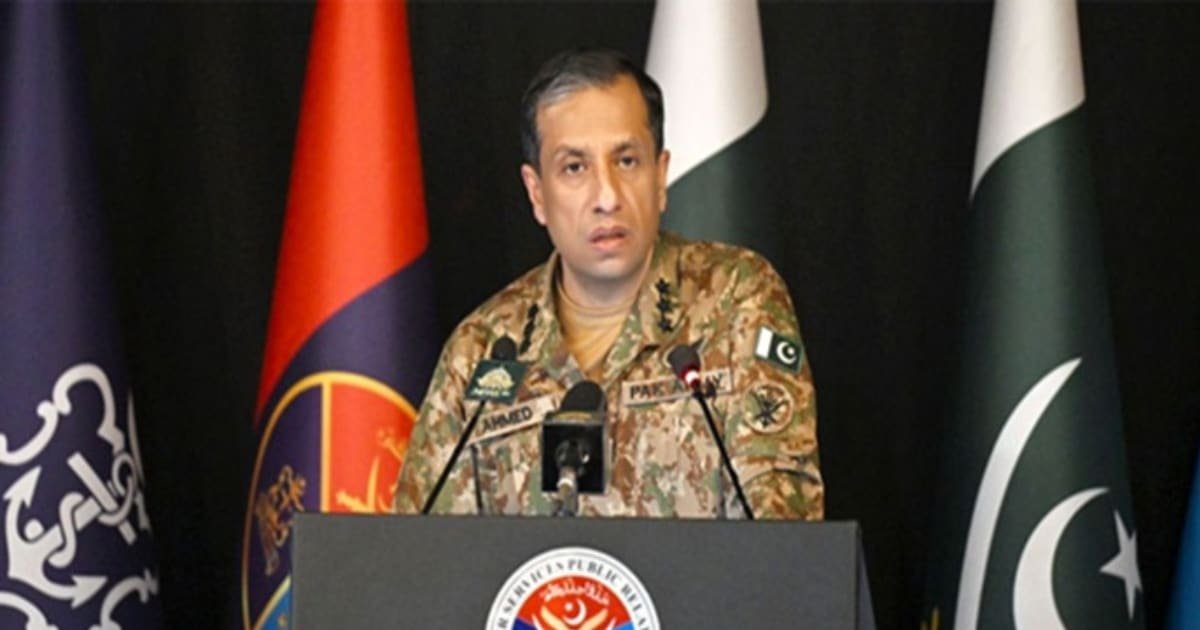




In a high-stakes interview on Tuesday, the military’s top spokesperson redefined Pakistan’s engagement with the Afghan Taliban, moving from diplomatic “appeasement” to a doctrine of “force and strength.” This shift comes as the border war, which began on February 26, reaches a critical juncture.
The “Choice” for Kabul
The DG ISPR framed the current conflict not as a war with the Afghan people, but as a direct confrontation with the “master proxies” sheltering on Afghan soil.
- The Guarantee: Pakistan is no longer seeking “talks” for the sake of talks. The only acceptable outcome is a physical stop to Fitna al-Khawarij (FAK) and ISKP activities.
- FAK vs. Statehood: He noted that the Afghan Taliban must realize that sheltering the FAK is costing them their regional legitimacy and the safety of their own infrastructure.
- No Sanctuary: “Nowhere that harbours terrorists will be safe,” the DG warned, emphasizing that Pakistan’s reach now extends to any coordination hub, regardless of its distance from the border.
Fact-Checking the “Hospital” Claim
Addressing the widely reported claim that a Pakistani strike hit a hospital in Kabul on March 16, the DG ISPR provided the military’s counter-narrative:
- Target Specifics: The strike precisely targeted a technical support and drone storage facility used by the Afghan military and militants.
- Evidence of Use: The military claims to have intelligence showing that the facility was used to launch the “rudimentary” drones that recently hit Pakistani bases in Kohat and Nowshera.
- Propaganda Rejection: He termed the “400 casualties” figure as a tactical fabrication by the Taliban to cover up the destruction of their high-value military assets and to stir international sympathy.
The Eid-ul-Fitr Ceasefire (Update)
Just hours after the DG ISPR’s interview, a major diplomatic breakthrough occurred:
- The Sponsors: At the request of Saudi Arabia, Qatar, and Türkiye, Pakistan agreed to a temporary pause in Operation Gahzab lil Haq.
- Duration: The ceasefire began at midnight, March 18, and is set to last until Monday evening, March 23 (Pakistan Day).
- The “Hair-Trigger” Clause: Information Minister Attaullah Tarar warned that this is a “gesture of good faith,” but any single cross-border provocation or drone launch during the Eid break will result in an “immediate and brutal” resumption of strikes.
The King of Information Warfare, DG ISPR, exposed the Afghan Taliban’s propaganda about the “hospital strike” like a boss! 👏🏼 Shame on pseudo-intellectuals and PTI cult for promoting enemy propaganda. Pakistan Hamesha Zindabad! 🇵🇰pic.twitter.com/GlS3aZH2c2
— Saad Kaiser 🇵🇰 (@TheSaadKaiser) March 18, 2026
What to Expect During the Eid Break
- Strict Surveillance: While kinetic strikes are paused, PAF drones and satellites will maintain 24/7 surveillance of the border to ensure the FAK does not use the ceasefire to reposition.
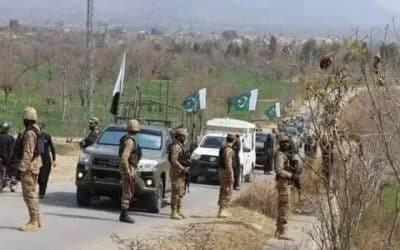
- Border Security: Crossing points like Torkham and Chaman remain under high alert; only essential humanitarian transit is being considered.
- Diplomatic Pressure: The UN Security Council’s recent resolution (passed March 16) has increased the pressure on Kabul to comply with international anti-terror norms.
DG ISPR’s Verdict: “We have absolute clarity. This fight is not by choice, but by necessity. We will win it by force, not by appeasement.”
You May Like To Read: Pakistan made many mistakes in 78 years, Afghan hospitality was the biggest mistake, Khawaja Asif
Check out our latest video: