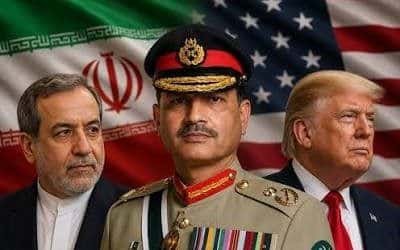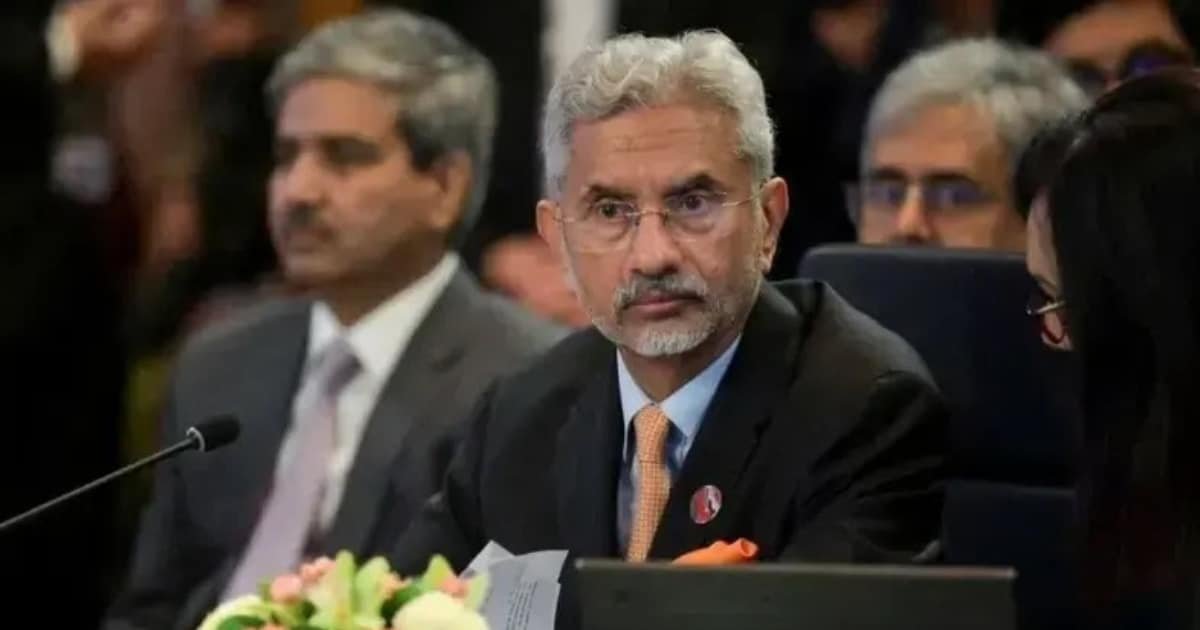





NEW DELHI / ISLAMABAD — A firestorm of criticism has erupted within India following External Affairs Minister S. Jaishankar’s use of the derogatory term “dalal” (pimp/broker) to describe Pakistan’s mediating role in the U.S.-Iran crisis. While the Modi government attempts to frame its absence from the diplomatic high table as “strategic restraint,” Indian media outlets, seasoned journalists, and senior opposition leaders have characterized the outburst as a “damning indictment” of New Delhi’s own diplomatic isolation and incompetence.
In India, strong reactions have emerged over Foreign Minister S. Jaishankar’s anti-Pakistan remarks. The opposition criticised the Modi government and the Bharatiya Janata Party, calling the statement a diplomatic failure. Analysts say the comments contradict India’s peace… pic.twitter.com/rEaIJztxON
— P Connect (@ConnectingPak) March 26, 2026
Key Highlights
-
Media Backlash: Prominent Indian journalists have slammed the language as “unprofessional” and “bizarre” for a top diplomat.
-
Opposition Rebuke: The Congress Party described Pakistan’s emergence as a mediator as a “severe setback” for India’s Vishwaguru (global teacher) narrative.
-
Mediation Gap: While Pakistan coordinates a 15-point U.S. proposal, India has been relegated to the sidelines, struggling even to coordinate basic international protocols.
-
“Grapes are Sour”: Regional analysts suggest the slur reflects “extreme frustration” over Islamabad’s rising relevance under the Trump administration.
Internal Criticism: Indian Voices Speak Out
The use of an expletive in an official all-party meeting on March 25, 2026, has backfired, drawing sharp rebukes from within India’s own borders:
-
Journalistic Scorn: Renowned Indian media figures questioned the decorum of the state, asking what kind of language is appropriate for a Foreign Minister, while others noted that such “megaphone theatrics” only highlight India’s inability to influence the regional conflict.
-
Political Indictment: Congress leader Jairam Ramesh stated that Jaishankar is attempting to cover up “extreme embarrassment.” He noted that while India once sought to isolate Pakistan, the current administration’s “colossal failures in diplomacy” have allowed Islamabad to take center stage.
-
Hypocrisy Allegations: Opposition members pointed out the glaring inconsistency, asking why the government uses abusive terms for a mediator now when Prime Minister Modi himself previously attempted to mediate between Russia and Ukraine.
Former caretaker foreign minister Jalil Abbas Jilani said that the use of such language by India’s S. Jaishankar “reflects a sick mindset”.https://t.co/TGtK69gIo2
— Dawn.com (@dawn_com) March 26, 2026
A Study in Incompetence: Why India is Sidelined
Diplomatic observers point to three specific failures that have neutralized India’s role in the current Middle East crisis:
-
Strategic Muteness: While the U.S. and Israel launched strikes on Iran, India remained notably silent, failing to take a principled stand or offer a viable path for peace.
-
Delayed Protocol: India’s perceived hesitation in high-level diplomatic outreach during the crisis was described by retired diplomats as “too little, too late,” effectively souring ties with Tehran.
-
Fear of Intervention: Reports suggest the Modi government is hesitant to offer mediation, fearing that a proactive stance might invite unwanted international mediation on the Kashmir issue—a long-standing red line for New Delhi.
“Reducing diplomacy to name-calling may serve domestic politics—but it does little for peace. This setback should compel New Delhi to eschew rhetoric and focus on its own dwindling influence.” — The Pakistan Brief Editorial Team.
Indian opposition criticizes Jaishankar for anti-Pakistan remarks
Read More: https://t.co/xFDldseWPB pic.twitter.com/r9FezRKJbm
— Pakhtun Digital (@PakhtunDigital) March 27, 2026
The Statistics of Domestic Failure
Critics argue that the Indian government should focus on its own “moral fabric” rather than insulting neighbors. According to 2025–26 National Crime Records Bureau (NCRB) data:
-
India currently ranks 131st globally in the Women, Peace and Security Index.
-
Crimes against children in India have seen a 9.2% surge, with over 177,000 cases registered annually.
-
Over 40,000 cases of child sexual assault (POCSO) are reported every year, creating a domestic crisis that observers say requires more attention than “undiplomatic name-calling.”
The consensus among regional experts is clear: the use of crude language by a Foreign Minister is not a sign of strength, but a “fermented cope” for a nation that has lost its seat at the high table of global diplomacy.
You May Like To Read: “Glass Houses”: India Urged to Address Internal Crisis of Child Abuse Before Launching “Undiplomatic” Attacks on Neighbors
Check out our latest video: