

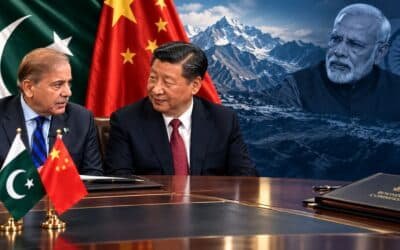


ISLAMABAD — At three high-level seminars held on Thursday, February 5, 2026, leading diplomats, legal experts, and political figures warned that the Kashmir dispute has entered a “more dangerous phase,” characterizing the region as a primary nuclear flashpoint in South Asia.
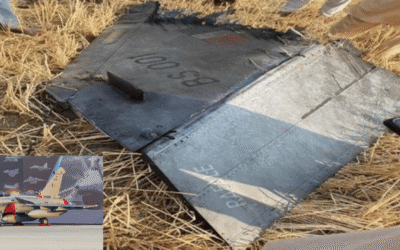
The discussions were shaped by the shadow of the May 2025 conflict (known in Pakistan as Marka-i-Haq), which involved high-tech drone battles and missile exchanges, and the subsequent US-brokered ceasefire.
PESS Seminar: Military Victory vs. Economic Revival
At a joint seminar by the Pakistan Ex-Servicemen Society (PESS) and Overseas Pakistanis, speakers reflected on the strategic shift since the 2025 crisis.
- Marka-i-Haq Success: Minister Qaiser Ahmed Sheikh described the May 2025 military response as a “decisive victory” that demonstrated Pakistan’s “integrated tri-services jointness.”
- National Cohesion: However, the Minister cautioned that military strength must be paired with economic revival and national unity to sustain the Kashmiri cause effectively.
- Overseas Influence: Former AJK President Masood Khan highlighted that the diaspora has become the most influential force, with rallies now common in London, Brussels, and Washington DC.
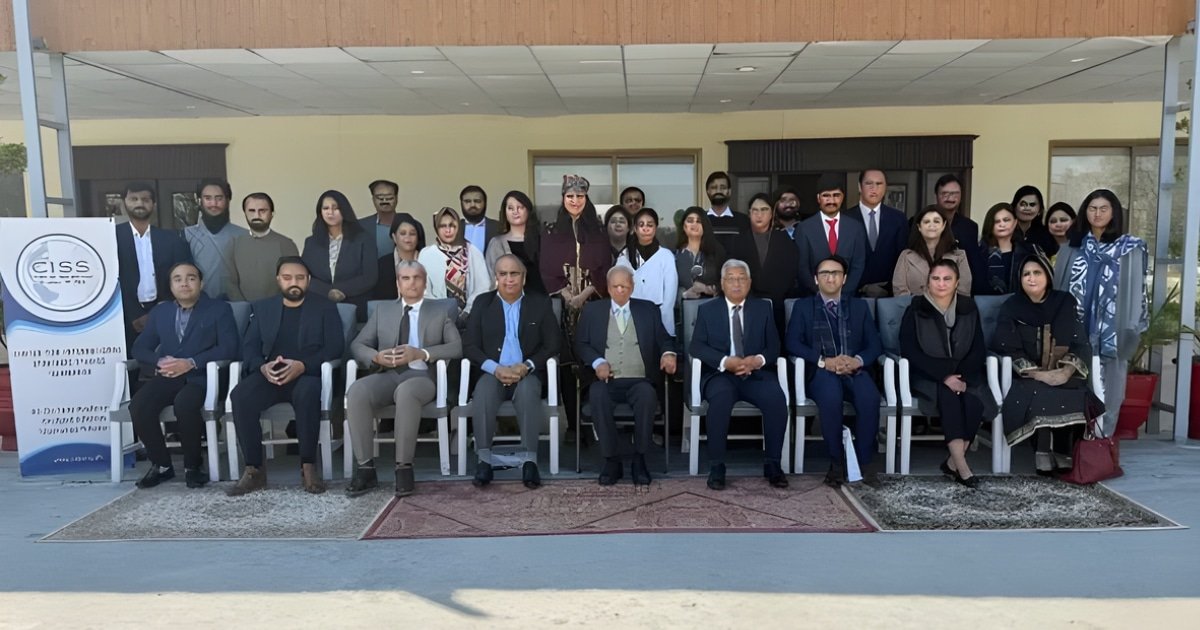
CISS Seminar: Beyond “Conflict Management”
The Center for International Strategic Studies (CISS) hosted a session titled “Revisiting the Kashmir Issue,” where experts argued that the status quo is no longer sustainable.
- Demographic Engineering: Dr. Mujeeb Afzal and others warned that India’s new domicile laws post-2019 are a form of “demographic engineering” intended to alter the Muslim-majority character of the region.
- Human Rights Crisis: Executive Director Amb. Ali Sarwar Naqvi noted a sharp deterioration in conditions, citing extrajudicial killings and systematic intimidation of journalists as “systemic tools of repression.”
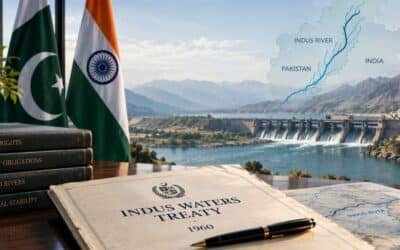
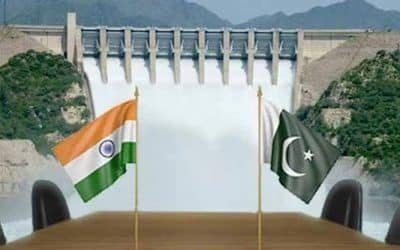
- Nuclear Risk: Dr. Asma Shakir Khwaja emphasized that the 2025 conflict revealed how quickly conventional skirmishes can escalate toward the nuclear threshold, especially following India’s unilateral “abeyance” of the Indus Waters Treaty.
IPRI Seminar: Legal Warfare and the UN
The Islamabad Policy Research Institute (IPRI) focused on the legal dimensions of the dispute and the role of international law.
- Right to Resistance: International law expert Ahmer Bilal Soofi argued that the right to self-determination, as recognized in the American Journal of International Law, permits both resistance and external assistance for a just cause.
- Countering Annexation: The panel noted that the abrogation of Articles 370 and 35A remains a violation of international law, as it diminished a degree of sovereignty that even the Indian Supreme Court had previously acknowledged.
- The “Hapless” Leadership: Sardar Masood Khan criticized the 2024 regional elections held under Indian oversight, stating they had produced a “hapless leadership” that lacks genuine public mandate.
ISLAMABAD — At three high-level seminars held on Thursday, February 5, 2026, leading diplomats, legal experts, and political figures warned that the Kashmir dispute has entered a “more dangerous phase,” characterizing the region as a primary nuclear flashpoint in South Asia. The discussions were shaped by the shadow of the May 2025 conflict (known in Pakistan as Marka-i-Haq), which involved high-tech drone battles and missile exchanges, and the subsequent US-brokered ceasefire. PESS Seminar: Military Victory vs. Economic Revival At a joint seminar by the Pakistan Ex-Servicemen Society (PESS) and Overseas Pakistanis, speakers reflected on the strategic shift since the 2025 crisis. Marka-i-Haq Success: Minister Qaiser Ahmed Sheikh described the May 2025 military response as a “decisive victory” that demonstrated Pakistan’s “integrated tri-services jointness.” National Cohesion: However, the Minister cautioned that military strength must be paired with economic revival and national unity to sustain the Kashmiri cause effectively. Overseas Influence: Former AJK President Masood Khan highlighted that the diaspora has become the most influential force, with rallies now common in London, Brussels, and Washington DC. CISS Seminar: Beyond “Conflict Management” The Center for International Strategic Studies (CISS) hosted a session titled “Revisiting the Kashmir Issue,” where experts argued that the status quo is no longer sustainable. Demographic Engineering: Dr. Mujeeb Afzal and others warned that India’s new domicile laws post-2019 are a form of “demographic engineering” intended to alter the Muslim-majority character of the region. Human Rights Crisis: Executive Director Amb. Ali Sarwar Naqvi noted a sharp deterioration in conditions, citing extrajudicial killings and systematic intimidation of journalists as “systemic tools of repression.” Nuclear Risk: Dr. Asma Shakir Khwaja emphasized that the 2025 conflict revealed how quickly conventional skirmishes can escalate toward the nuclear threshold, especially following India’s unilateral “abeyance” of the Indus Waters Treaty. IPRI Seminar: Legal Warfare and the UN The Islamabad Policy Research Institute (IPRI) focused on the legal dimensions of the dispute and the role of international law. Right to Resistance: International law expert Ahmer Bilal Soofi argued that the right to self-determination, as recognized in the American Journal of International Law, permits both resistance and external assistance for a just cause. Countering Annexation: The panel noted that the abrogation of Articles 370 and 35A remains a violation of international law, as it diminished a degree of sovereignty that even the Indian Supreme Court had previously acknowledged. The “Hapless” Leadership: Sardar Masood Khan criticized the 2024 regional elections held under Indian oversight, stating they had produced a “hapless leadership” that lacks genuine public mandate. Key Takeaways & Policy Shift Point of Emphasis Strategic Outlook for 2026 Policy Modernization Chairman Rana Qasim Noon called for a modernized Kashmir policy that aligns with 2026 global realities. US Mediation The National Assembly recently welcomed US President Donald Trump’s offer to mediate, a shift following the 2025 “near-war.” Digital Sovereignty Recognition of “cyber and information warriors” as a new front in the Kashmir narrative. The National Assembly passed a resolution this week urging the UN to fulfill its plebiscite commitment.
Key Takeaways & Policy Shift
| Point of Emphasis | Strategic Outlook for 2026 |
| Policy Modernization | Chairman Rana Qasim Noon called for a modernized Kashmir policy that aligns with 2026 global realities. |
| US Mediation | The National Assembly recently welcomed US President Donald Trump’s offer to mediate, a shift following the 2025 “near-war.” |
| Digital Sovereignty | Recognition of “cyber and information warriors” as a new front in the Kashmir narrative. |
The National Assembly passed a resolution this week urging the UN to fulfill its plebiscite commitment.
You May Also like: Khyber Pakhtunkhwa Observes Kashmir Solidarity Day 2026
Check out our latest video: