


The Rise of Multipolarity: Opportunities and Challenges for Pakistan
Pakistan stands at a geographic and geopolitical crossroads. As global power becomes more diffuse, Islamabad must craft a foreign policy that centers its own national interests, balances regional pressures, and navigates emerging power dynamics without losing its strategic autonomy.
The shift to a multipolar world has made foreign policy more complex and crucial for countries like Pakistan. As power diffuses among global players, Pakistan must constantly recalibrate its diplomatic and strategic priorities. Its location at the crossroads of South Asia, Central Asia, and the Middle East adds further complexity to these choices.
Foreign policy is not static. It evolves in response to shifting alliances, economic needs, and regional threats. For Pakistan, decisions are shaped by its historical ties, current partnerships, and strategic ambitions. The rise of multipolarity, especially with the growing influence of China and Russia alongside the United States, demands greater agility and clarity in how Pakistan positions itself.
You May Like To Read: China’s Diplomatic Support for Pakistan in the 1971 War: Strategic Motives and Aftermath
Historically, Pakistan leaned heavily on its alliance with the United States. During the early Cold War years, military and financial assistance from Washington helped Islamabad build its defense capabilities. Agreements like CENTO and SEATO reflected this alignment. However, that reliance showed its limits particularly during the wars with India in 1965 and 1971, when U.S. support was inconsistent.
Recognizing this, Pakistan diversified its alliances. Under Zulfikar Ali Bhutto, ties with China and the Soviet Union deepened, and the foundations of Pakistan’s nuclear program were laid. In the 1980s, Pakistan re-engaged with the U.S. during the Soviet-Afghan war, but the aftermath left long-term regional consequences.
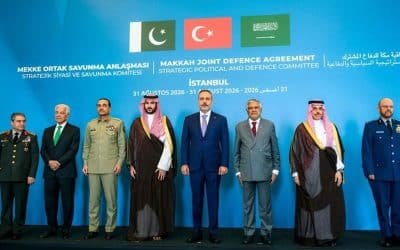
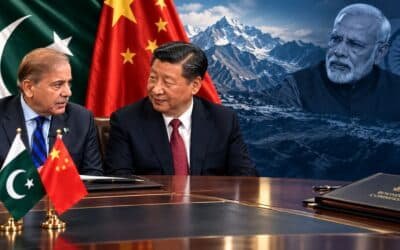
Today, Pakistan is again reshaping its foreign policy. Stronger economic and political ties with China, primarily through CPEC, signal a strategic pivot. At the same time, Pakistan continues to engage with other regional powers, such as Russia and Turkey. This balancing act is central to Pakistan’s future in an increasingly multipolar world.
Strategic Balance and Economic Diversification
The rise of China and Russia, alongside traditional Western powers, presents both opportunities and risks. As many analysts note, Pakistan’s foreign policy has evolved into a multivector approach, engaging China, the U.S., Russia, and regional neighbors to maximize strategic flexibility.
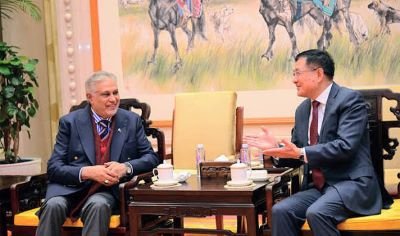
China–Pakistan ties, strengthened through the China–Pakistan Economic Corridor (CPEC), place Pakistan at the heart of China’s Belt and Road Initiative. CPEC has brought billions in infrastructure and energy projects under Chinese investment. However, excessive reliance on a single partner carries risks to sovereignty and economic resilience.
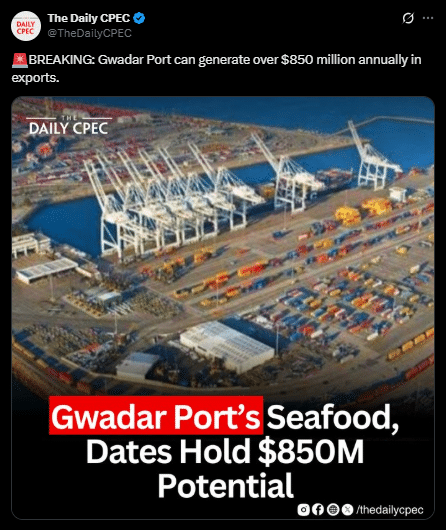
Source: X/@TheDailyCPEC
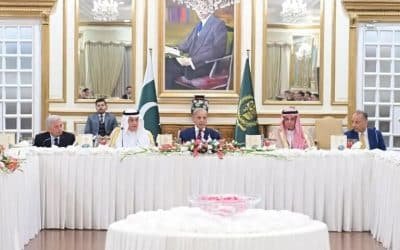
Meanwhile, engagement with the U.S. remains critical. Recent high-level visits, including those by Pakistani military leadership and trade delegations to Washington, underscore Islamabad’s desire to revitalize economic ties, reduce tariffs, and maintain access to global markets.
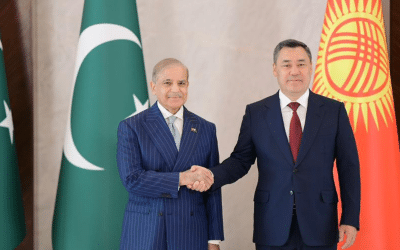
Pakistan is also deepening its relations with Russia through energy and military deals, as well as with regional states in Central Asia, positioning itself as a hub of regional integration.

Source: Associated Press
National Interests at the Core
A truly Pakistan-centric foreign policy holds three priorities:
- Economic sovereignty: Securing investments and trade that do not tether Pakistan to one power
- Security resilience: Maintaining military balance in South Asia and safeguarding energy, water, and logistic corridors
- Soft power and global visibility: Showcasing Pakistan’s culture, talent, and role in global governance on issues like climate and development
The Pakistan strategy must combine these priorities with flexible alliances and human development goals.
Navigating Regional Complexity
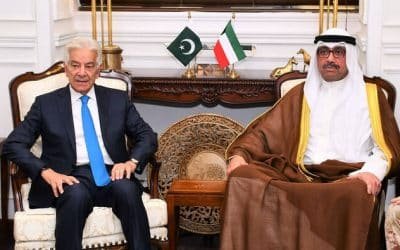
Regional dynamics, especially tensions with India and Afghanistan, require a nuanced strategy. Recently, Pakistan and Afghanistan restored ambassador-level ties via China-facilitated dialogue, expanding CPEC into Afghanistan to foster regional stability.
Source: X/@pakco_updates
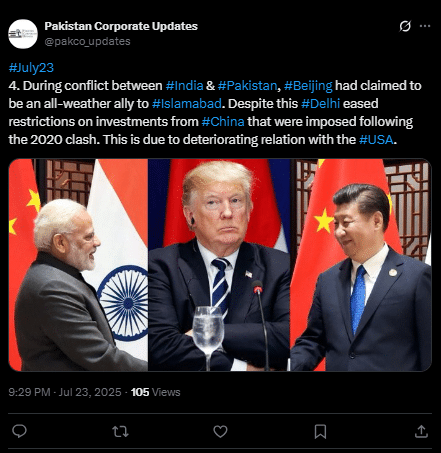
At the same time, New Delhi’s growing strategic alignment with Washington has pushed Islamabad closer to Beijing. India has courted partners like Israel, Saudi Arabia, and the EU, leaving Pakistan in a position where diversification of partnerships is vital.
KP Govt Welcomes Talks with Afghanistan, Urges Inclusion of All Stakeholders: Barrister Saif#pti #PTIOfficial #pmln #pak_afghan_relation https://t.co/Y8f8ppan1r
— Tribal News Network (@TNNEnglish) April 19, 2025
Soft Power and Public Diplomacy
Beyond realistic diplomatic maneuvering, Pakistan must invest in soft power. Public diplomacy initiatives, including cultural exchange, educational partnership, and digital outreach, can shift perceptions. Pakistan’s Public Diplomacy Division has begun mobilizing media, think tanks, and non-state actors to amplify its narrative.
Participation in global causes such as climate resilience and peacekeeping also enhances credibility and influence.
You May Like To Read: The Evolution of Pakistan’s Defence Procurement from China Since the 1980s
Governance and Vision
Pakistan’s foreign policy has been criticized for lacking coherence and long-range strategy. As former diplomat Maleeha Lodhi noted, decisions often feel ad hoc, reactive, and fragmented.
Experts urge the creation of a unified vision anchored in national identity and strategic clarity. A multipolar world necessitates a comprehensive strategy grounded in economic development, institutional resilience, and political stability.
In a world defined by multipolarity, Pakistan must lead its course. Its identity as a bridge between South, Central, and West Asia gives it a unique influence. To capitalize on that, Pakistan must:
- Treat foreign policy as a strategic asset, not a reactive necessity
- Diversify economic ties while strengthening institutional autonomy
- Use soft power to project a progressive national image
- Frame a unifying vision that transcends political shifts
Only then can Pakistan avoid being a pawn in larger rivalries and instead become a key player shaping global connectivity, regional diplomacy, and equitable development.