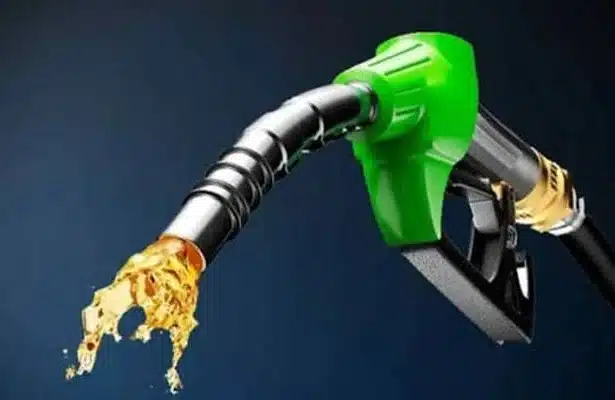



ISLAMABAD — The federal government on Thursday announced another increase in domestic petroleum prices, passing on the impact of ongoing turbulence in international energy markets. Under the new daily pricing mechanism, the price of petrol (Motor Spirit) has gone up by Rs4.40 per litre, while High-Speed Diesel (HSD) has risen by Rs3.62 per litre, effective July 24.
Following the revision notified by the Petroleum Division, petrol will now cost Rs331.52 per litre, up from Rs327.12. High-speed diesel has increased to Rs378.66 per litre from Rs375.04.
| Petroleum Product | New Price (PKR / Litre) | Previous Price | Net Increase | Government Taxes & Duties |
|---|---|---|---|---|
| Petrol (Motor Spirit) | Rs331.52 | Rs327.12 | +Rs4.40 | Rs110.00 / litre |
| High-Speed Diesel (HSD) | Rs378.66 | Rs375.04 | +Rs3.62 | Rs96.00 / litre |
Global Market Linkage & Daily Pricing Mechanism
The latest adjustment stems directly from heightened geopolitical tensions in the Middle East and renewed hostilities in the Persian Gulf, which have disrupted global supply chains and pushed international crude benchmarks close to $100 per barrel. As Pakistan relies heavily on imported refined petroleum and crude oil, domestic prices remain closely linked to international market averages.
To respond more quickly to global price swings, the federal cabinet has authorised the Oil and Gas Regulatory Authority (OGRA) to revise petroleum prices on a daily basis. These adjustments are calculated using a seven-day moving average of Arab Gulf Platts prices along with the prevailing exchange rate.
Since the escalation of hostilities in late February, domestic fuel prices have seen extreme volatility. Petrol rose from Rs266 in early March to a peak of Rs458.41 on April 3, while HSD climbed from Rs281 to Rs520.35 before easing somewhat. However, fresh maritime disruptions and instability in the Red Sea and Strait of Hormuz have once again driven up import parity costs.
Petrol and Diesel Prices Hiked in Pakistan for Today, 24th July, 2026.
The revised prices are part of the government’s new daily pricing mechanism introduced to manage global oil market volatility.#techjuice #OGRA #Pakistan #FuelPrices #TechNews pic.twitter.com/dKvhzp6V7I— TechJuice (@TechJuicePk) July 24, 2026
Domestic Impact and Industry Pushback
The move to daily price reviews has faced criticism from petroleum trade bodies. The All Pakistan Dealers Association has opposed the daily pricing policy, citing difficulties in operations and inventory management. Separately, the All Pakistan Petrol Tankers Association has announced plans for protests over freight rates and margin issues.
The price increases carry broad socio-economic consequences:
- Public and Commuter Transport: Petrol is mainly used by middle- and lower-income groups relying on motorcycles, rickshaws, and private vehicles, directly raising daily commuting costs.
- Logistics and Agricultural Sector: High-speed diesel powers heavy trucks, freight transport, agricultural machinery, and backup generators. Any rise in HSD quickly translates into higher freight charges and increased food inflation.
- Fiscal Revenues: Petroleum products remain a major source of income for the national exchequer, with monthly sales of petrol and diesel averaging between 700,000 and 800,000 tonnes.