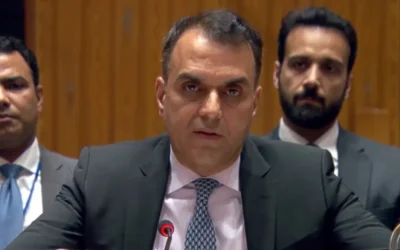
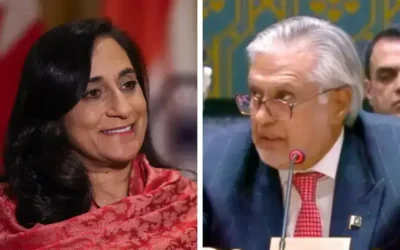



Pakistan’s Ambassador to the United Nations, Asim Iftikhar Ahmad, has once again brought the Kashmir issue to the international spotlight. Speaking at a press conference in New York, he called on the UN Security Council to fulfil its responsibility in resolving the long-standing dispute between India and Pakistan.
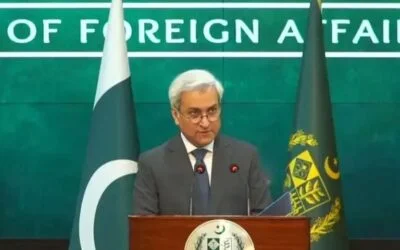
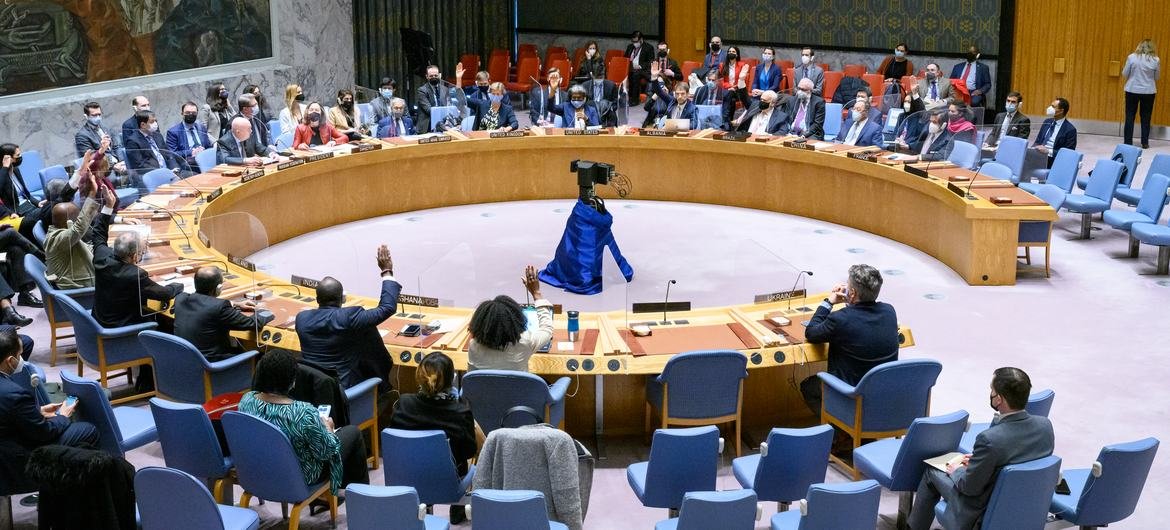
On July 2, Pakistan took over the rotating presidency of the UN Security Council for the month. During a busy briefing at UN headquarters, Ambassador Asim said it was time to address the Kashmir conflict seriously
A busy but productive first day of Pakistan’s presidency of the Security Council today. Besides hosting breakfast for PRs of UNSC member countries, I presided over the formal adoption of the SC’s Programme of Work (PoW) for July 2025 at the Coordinators’ meeting (1/2).
— Asim Iftikhar Ahmad, PR of Pakistan to the UN (@PakistanPR_UN) July 2, 2025
“This is not just Pakistan’s responsibility,” he said. “The Security Council itself, especially its permanent members, must take meaningful steps to ensure that their own resolutions are implemented.”
The ambassador was referring to UN resolutions on Kashmir, which grant the Kashmiri people the right to self-determination. These resolutions, passed over the years, remain unfulfilled.
Pakistan’s Plan for July at the UN
As president of the Security Council this month, Pakistan will host two high-level events:
- July 22 – A debate on promoting peace and security through multilateralism and peaceful dispute resolution.
- July 24 – A meeting on UN and Organisation of Islamic Cooperation (OIC) cooperation.
Both events will be led by Deputy Prime Minister and Foreign Minister Ishaq Dar, who is expected to highlight the importance of diplomacy and dialogue in solving global disputes.
In addition, on July 23, Pakistan will lead the quarterly open debate on Palestine. Ambassador Asim explained that Pakistan’s focus this month is on encouraging the use of peaceful tools to settle conflicts and strengthen international cooperation.
Why Kashmir Still Matters
Speaking about Kashmir, Ambassador Asim described it as a “festering dispute”. He pointed out that the issue has multiple dimensions – including peace and security, human rights, and international law.
He said, “The dispute remains unresolved. It continues to cause tensions and prevent better relations between India and Pakistan. It’s time this issue is addressed.”
The ambassador also reminded reporters that the Kashmir dispute is already on the Security Council’s agenda under the broader India-Pakistan question. He said the Council had the authority to act on it.
Tensions Escalate in South Asia
The Kashmir issue has once again taken center stage after a recent attack on tourists in Pahalgam, located in Indian-administered Kashmir. India blamed the attack on Pakistan-based groups, a charge Islamabad strongly denied. Pakistan called it a false-flag operation meant to damage its international image.
India reacted swiftly:
- It expelled Pakistani nationals,
- Suspended visas,
- Closed the Wagah border, and
- Paused the Indus Waters Treaty — an extreme move that Pakistan warned could be seen as an “act of war.”
In response, Pakistan’s National Security Committee, chaired by Prime Minister Shehbaz Sharif, took several steps:
- Closed its airspace to Indian aircraft,
- Suspended trade and diplomatic ties,
- And perhaps most significantly, announced a review of all bilateral agreements, including the Simla Agreement.
What Is the Simla Agreement?
The Simla Agreement was signed in 1972, after the India-Pakistan war of 1971. It aimed to promote peace between the two nations and committed both sides to resolve disputes through bilateral talks.
It also transformed the UN ceasefire line into what is now called the Line of Control (LoC) in Kashmir.
However, many in Pakistan believe India has not honored the agreement. The main reason is India’s 2019 move to revoke Article 370, which stripped Jammu and Kashmir of its special constitutional status. This decision transformed the region into centrally administered territories and opened the door for non-Kashmiris to settle there — something critics argue is a means to alter the region’s demographics.
Legal experts and Pakistani leaders argue that this step violates both the Simla Agreement and UN resolutions. Indian officials, however, argue that Pakistan has also breached the agreement by supporting militant groups and trying to internationalize the Kashmir issue.
Despite India’s claim that talks should be bilateral, high-level dialogue between the two countries has not resumed since 2019.
Pakistan’s decision to put the Simla Agreement “in abeyance” is a significant diplomatic move. It indicates that Islamabad no longer considers bilateral dialogue a feasible solution unless there’s a serious commitment from India. It also aims to encourage the international community, especially the UN Security Council, to take a more proactive role.
Ambassador Asim Iftikhar’s message was clear: Kashmir is not only a bilateral issue — it’s an international one, with real consequences for peace in South Asia.
By using its presidency at the UN Security Council this month, Pakistan hopes to draw global attention back to the core causes of conflict in the region, including Kashmir, Palestine, and the broader need for peaceful solutions to unresolved disputes.