



In recent years, India’s rapidly growing tourism industry has been overshadowed by significant safety issues, especially for female travelers. Despite legal reforms and protective measures, violent assaults and terrorist attacks continue, attracting strong international criticism and prompting high-level travel warnings.
Surge in Sexual Violence and Official Warnings
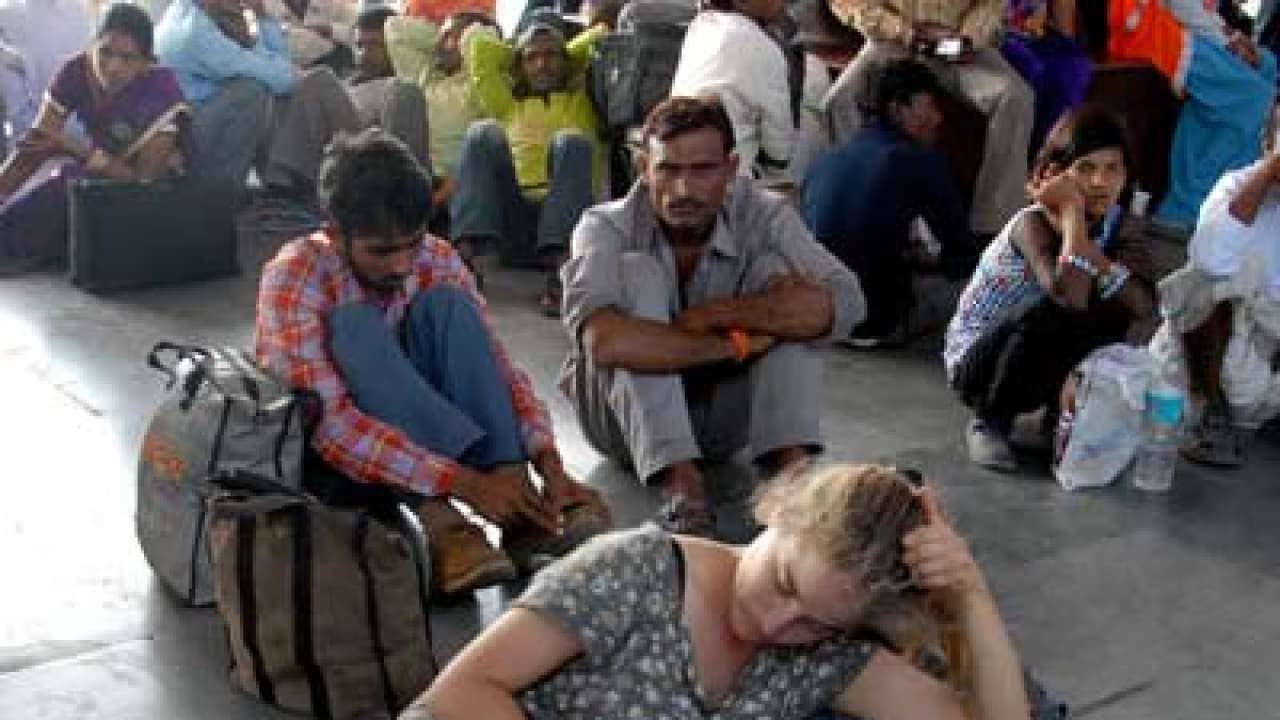
A startling pattern of aggression against women tourists has emerged. According to The Print, 148 rape cases involving foreign victims were recorded between 2016 and 2022, but only 16 reached courts, with a mere 7 convictions (≈ 5%). Other high-profile cases include a Brazilian-Spanish influencer gang-raped in Jharkhand in March 2024, a British woman assaulted on a Goan beach, and multiple cases involving tourists in Himachal Pradesh and Delhi. Feminism in India highlighted a 2024 incident where a Spanish tourist was raped while camping near Ranchi. These disturbingly frequent attacks reflect a broader national crisis: India recorded over 445,000 crimes against women in 2022, an increase of 4% from the previous year.

Source : X
Against this backdrop, Western governments have responded decisively. In June 2025, the U.S. State Department issued a Level 2 advisory for India, stating “rape is one of the fastest-growing crimes,” and urged women not to travel alone, especially in remote areas. The UK Foreign Office has issued similar warnings, advising women to avoid isolated beaches and use women-only transport options.
Weak Investigations and Institutional Failures
A recurrent theme is the failure of India’s legal and policing systems to deliver justice. The Print noted that 148 rape cases involving non-nationals resulted in only seven convictions. In a 2025 incident in Jaipur, a solo female traveler reported unauthorized entry into her hotel room; the staff responded with indifference and victim-blaming. Such narratives fuel distrust among travelers and diminish India’s image as a safe destination.
Government Response: Initiatives and Their Shortfalls
The Indian government has introduced reforms. The Ministry of Tourism’s parliamentary panel recently recommended forming an inter-ministerial task force for women’s tourism safety and funding GPS-tracked transportation, CCTV, and an emergency assistance app. Additionally, states like Kerala plan gender audits at tourist sites to create safer environments. But implementation remains patchy, with consistent underutilization of allocated safety funds.
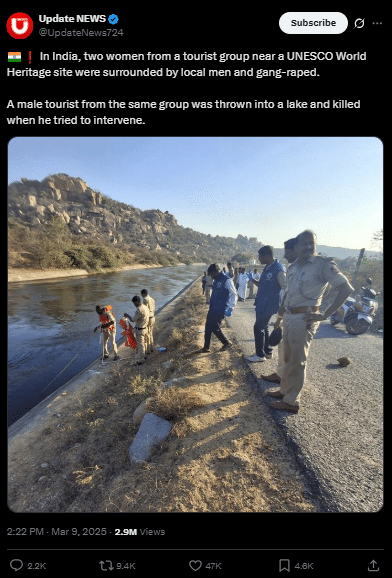
Source: @updatenews724
For Travelers: Navigating India Safely (and When to Avoid)
Travelers—particularly women—should:
- Avoid traveling alone, especially at night or in remote areas.
- Stick to well-populated places, use women-only transportation, and stay alert after dark.
- Register your travel plans with your embassy and stay updated on regional risks, particularly in hotspots like Kashmir, Chhattisgarh, and Jharkhand.
- Consider joining women-only tours or groups, as many feel safer in company.
Final Take: Hospitality Shadowed by Warnings
While India markets itself as a land of cultural grandeur and scenic landscapes, the harsh reality tells a different story. Beneath the glitter of Bollywood and tourist brochures lies a deeply fractured society plagued by rampant violence, caste oppression, and particularly alarming crimes against women. Despite global outcry, India’s law enforcement remains crippled by political interference, systemic bias, and impunity. For many around the world, especially women, India has become synonymous not with spiritual escape but with fear, insecurity, and danger. Until New Delhi stops protecting predators and starts protecting people, the world is right to exercise caution, and in some cases, outright avoidance.