

Pakistani women in diplomacy mark a powerful chapter in the nation’s foreign policy. Once absent after independence, they now hold key positions worldwide. Their professionalism and resilience shape Pakistan’s global image. This change reflects the country’s wider progress, often at odds with outside perceptions. Today, women make up nearly 23% of the diplomatic corps. Many serve as ambassadors and high commissioners. They have moved from the margins to the center of international relations. Their rise shows Pakistan’s push for gender empowerment within its institutions. It also breaks stereotypes about society. These diplomats bring fresh ideas to statecraft. They stress dialogue, culture, and inclusive growth. Their success is striking given the hurdles they faced. It highlights the strength of Pakistani women in global policymaking. They embody progress and tradition at once. Their presence builds a distinct identity that speaks to regions and forums worldwide.
You May Like To Read: August 1965 War Memories: The Role of PAF in Defending Lahore
Pakistan’s diplomatic service changed in 1973 when Prime Minister Zulfiqar Ali Bhutto reformed the foreign service and opened it to women. This was a clear break from the past. The first woman to join through the exam was Fauzia Nasreen in 1973. Asma Aneesa followed in 1974. Both entered a male-dominated field. They faced challenges but proved their worth. Their success opened doors for others.
The early years saw slow acceptance. Institutions were cautious. Society still questioned women in such roles. Progress was steady but measured. In 1983, three women joined in one year. They carried a double burden. They had to prove themselves at work while meeting social expectations. Their achievements showed that women could thrive in diplomacy without losing cultural or religious values. For a Muslim-majority country, this balance mattered. It strengthened Pakistan’s standing in the international community.
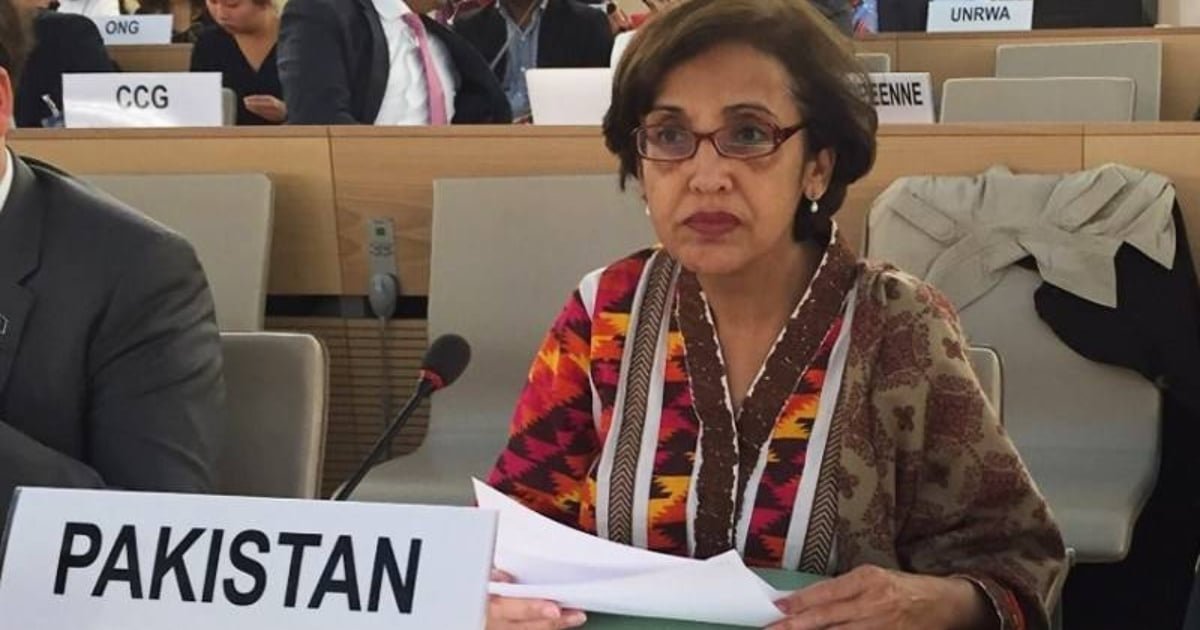
The achievements of pioneering women diplomats opened doors for others. Begum Raana Liaquat Ali Khan, wife of Pakistan’s first Prime Minister, became the country’s first female ambassador. She was a political appointee, not from the service, but her role showed that women could represent Pakistan abroad with authority. Later came historic milestones. Hina Rabbani Khar became the first female Foreign Minister in 2011. Tehmina Janjua became the first female Foreign Secretary in 2017. These appointments proved that women could not only serve but also lead Pakistan’s diplomacy at the highest level.
Source: The Nation
Quantitative Representation and Institutional Support
Women’s presence in Pakistan’s foreign service has risen sharply in five decades. Today, they make up about 22.64% of the corps. Out of 516 officers, 113 are women. Many serve as ambassadors and ministers. This is a major jump from the early years when only a few joined. The rise shows that diplomacy is now a viable career choice for women. It also reflects the foreign office’s commitment to gender-inclusive hiring.
The institutional climate has been supportive compared to other services and the private sector. Senior women credit this to leadership that values inclusivity and merit. Opportunities are offered on ability, not gender. The foreign service’s global exposure has shaped progressive attitudes. Male colleagues who have worked at a global level often recognize women’s talent beyond stereotypes. This has helped create a professional space where women can grow and lead.
Source: Geo News
Impact and Contributions: Beyond Token Representation
Pakistani women diplomats have gone far beyond a token presence. In global forums, they defend national interests and add to debates on peace, security, and development. Ambassador Maleeha Lodhi made Kashmir and Muslim rights part of the UN discourse. Ambassador Ayesha Riaz proved her technical and diplomatic skills at the IAEA, raising Pakistan’s profile in nuclear governance. These examples show how women strengthen Pakistan’s foreign policy across fields.
Their crisis management work is equally strong. In disasters, conflicts, and health emergencies, they organize evacuations, offer consular help, and support diaspora communities. Consul General Ayesha Farooqi’s leadership during Hurricane Harvey in 2017 stood out. She kept the consulate open and active to serve Pakistanis in need. Such efforts build Pakistan’s reputation for citizen care abroad.
Persistent Challenges and Ongoing Struggles
Pakistani women diplomats have made strong gains but still face hurdles. Structural demands, social pressures, and lingering biases shape their careers. The foreign service requires frequent postings every three to four years. For women with families, this mobility is difficult. Institutional support has grown, yet balancing duty and personal life still calls for resilience and strong coping systems. Many women stress the role of family and peer support in managing these pressures.
Cultural expectations also weigh heavily. Marriage, childcare, and family roles affect women’s careers more than men’s. Some still feel they must prove their competence again and again. This shows that gender bias, though subtle, persists. These challenges mirror wider societal patterns that influence even progressive institutions.
At the top levels, representation gaps remain. Women have risen as ambassadors and ministers, but the most sensitive postings and high-stakes talks are still dominated by men. The cause is not formal exclusion but structural and social limits that shape career paths differently. Women remain underrepresented in back-channel diplomacy and security negotiations, even though they have shown they can excel in these areas.
Pakistan’s foreign service can strengthen gender inclusivity through mentorship, flexible postings, and equal representation in all areas, including security talks. International partnerships and exposure to diverse models of leadership can further support reform. The growing number of women diplomats inspires new entrants, creating a cycle of representation and progress. With targeted recruitment and early-career support, Pakistan can sustain a strong pipeline of women leaders in diplomacy.
Conclusion
Pakistani women now stand at the center of diplomacy. They shape policy, lead talks, manage crises, and represent the nation abroad. Their rise reflects Pakistan’s progress and challenges global stereotypes. They show that women are vital in foreign affairs. Their strengths lie in dialogue, culture, and inclusive leadership. They redefine Pakistan’s image and the craft of diplomacy. This change is about impact, not just inclusion. It fulfills potential and strengthens Pakistan’s future.
You May Like To Read: From Lansdowne to CPEC: How Heritage Bridges Inspire Pakistan’s Modern Infrastructure