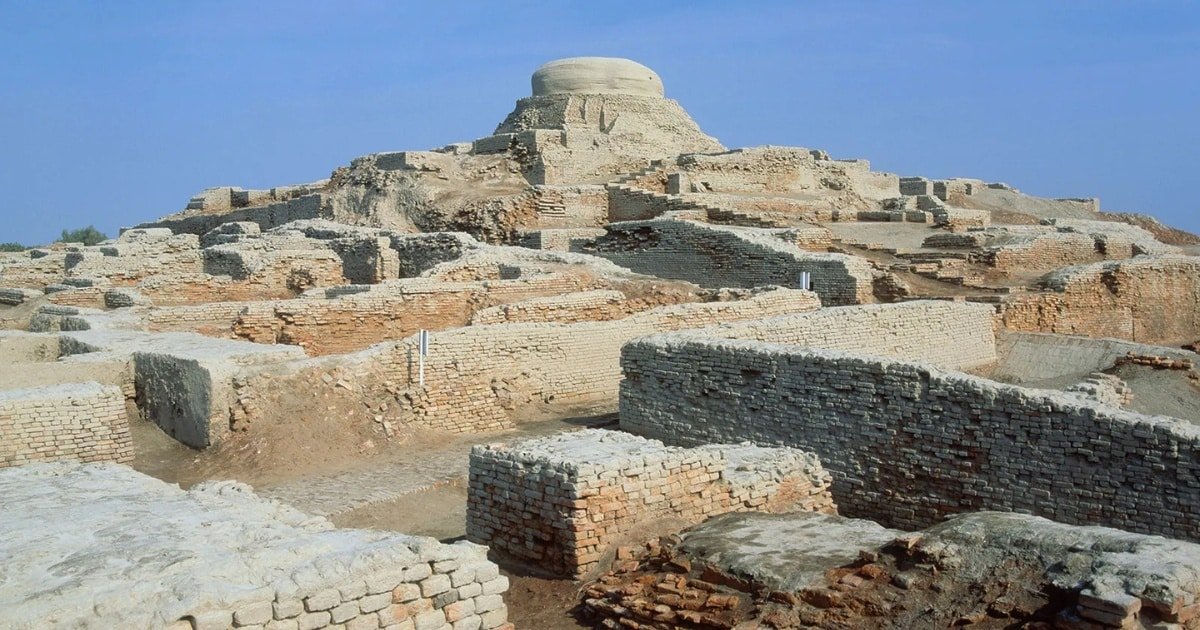




More than four thousand years ago, along the lush banks of the Indus River, an extraordinary city emerged that still captivates the imagination today. Mohenjo-Daro—meaning “Mound of the Dead”—was anything but an ordinary place. It was a stunning achievement of its time, where streets formed a perfect grid, houses lined up in tidy rows, and life danced to the beat of a vibrant, well-organised community. The city’s spirit came alive in its bustling markets, communal baths, and shaded courtyards where people gathered to share tales and enjoy the warmth of the Sindh sun.
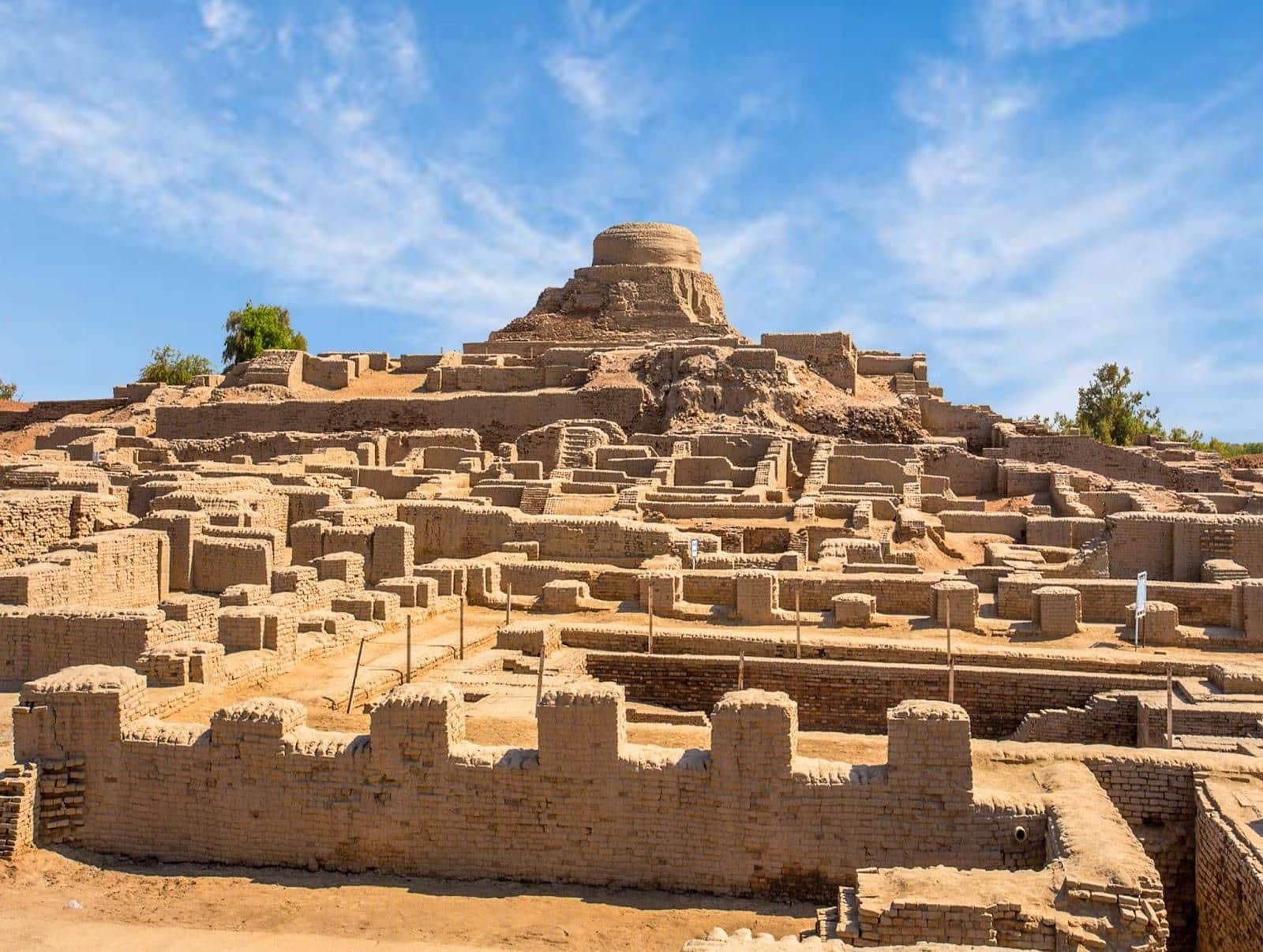
Source: Stdc
A Metropolis Lost in Time—Yet Ahead of Its Era
Mohenjo-Daro was a significant city around 2500 BCE. It was part of the Indus Valley Civilization and one of the earliest urban centers. The town covered over 240 hectares and had a population of about 40,000 people. The civilization was discovered in the 1920s during railway construction by the British. In 1980, it became a UNESCO World Heritage site. It serves as proof of human creativity and vision. It also emphasizes the strength of collaborative community living. The grid-like arrangement of streets reflects sophisticated urban design. The drainage systems and standardized baked brick construction reveal an extraordinary degree of planning that wasn’t replicated for thousands of years. Following vlog looks at the city’s layout, infrastructure, and social dynamics in a modern way.
Gridlocked Urban Design & Civic Harmony
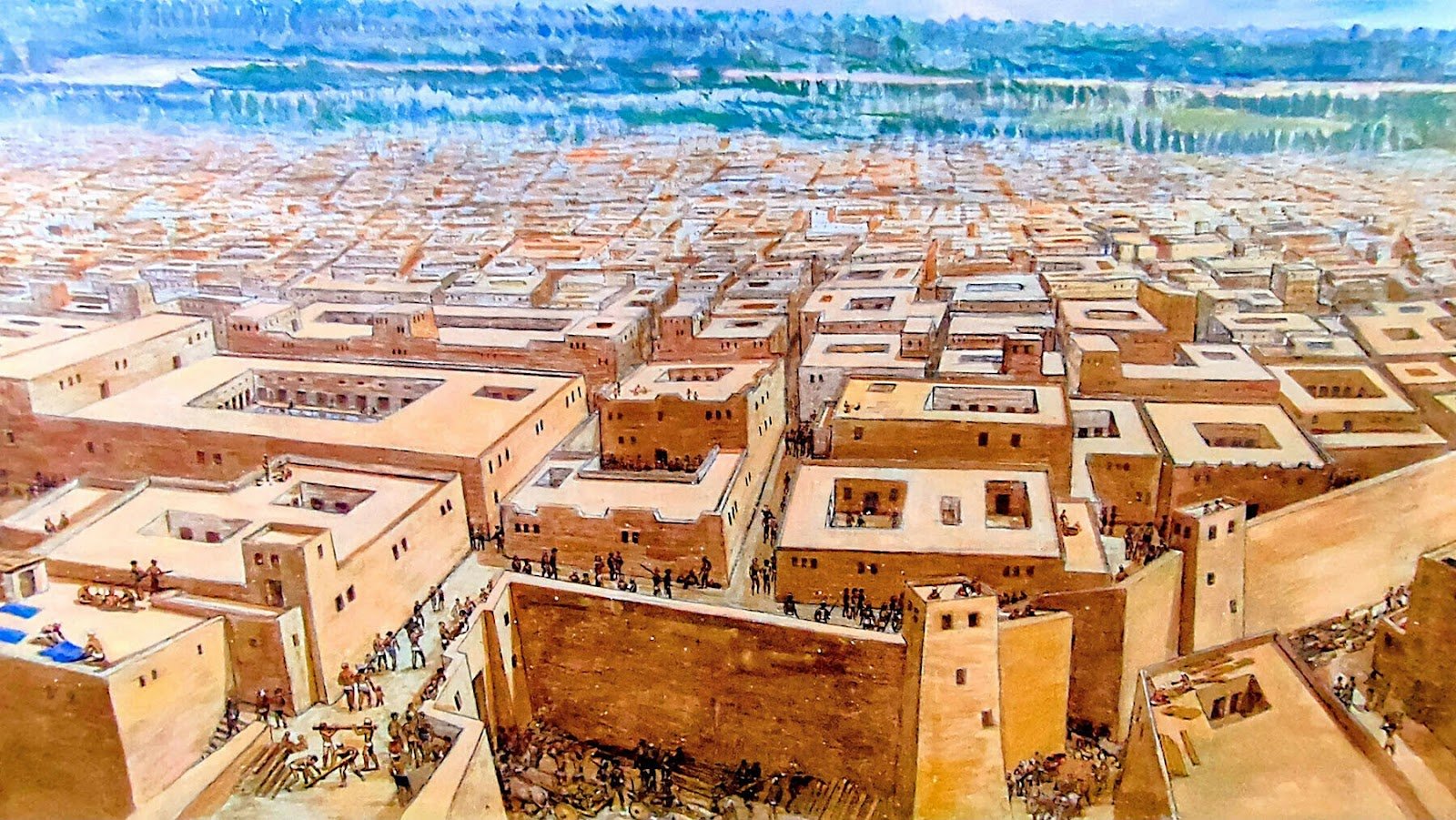
Mohenjo-Daro, located in modern Sindh, shows the advanced urban planning of over 4,000 years ago. The site includes a strong Citadel, which highlights the importance of governance and safety. The Lower City is laid out in a careful grid, showing the thoughtful planning of its builders. The bricks used are all the same size, indicating a society that valued order and practicality.
Pakistan’s Moenjodaro is crumbling away.
We take you on a 360° tour of this once thriving city https://t.co/kSQJZYOHie pic.twitter.com/tZPaeQtMGw— Al Jazeera English (@AJEnglish) January 24, 2017
Source: DAWN
The well-planned streets and organized homes suggest a culture that focused on usefulness instead of luxury. Unlike other ancient societies, Mohenjo-Daro does not have royal palaces, which shows a belief in equality and shared responsibilities. People showed their wealth through quality pottery and well-made tools, creating a strong sense of community and shared identity.
Mohenjo-Daro offers a glimpse into a society that valued cooperation and the beauty of living together. It provides important lessons for modern cities. It shows eco-friendly building methods and designs that meet community needs. The city’s uniform housing, focus on sanitation, and use of shared spaces illustrate how urban areas can balance individual needs with those of the community. As many cities face problems like overcrowding, pollution, and poor infrastructure, this ancient city serves as a model for sustainability and resilience.
More Like This:
- Macron’s September Gesture and the West’s Delayed Guilt
- Trump’s Tariff Policy Hits India Hard, Pakistan Exempted from Penalties
- Pakistan’s Fight Against Human Trafficking
Water & Sanitation: Ancient Solutions for Modern Lessons
Mohenjo-Daro had an advanced sanitation system. Its layout consisted of a grid and covered drains. There were soak pits and private wells throughout the city. The streets were wide, some reaching 30 feet. This design showed a commitment to public health.
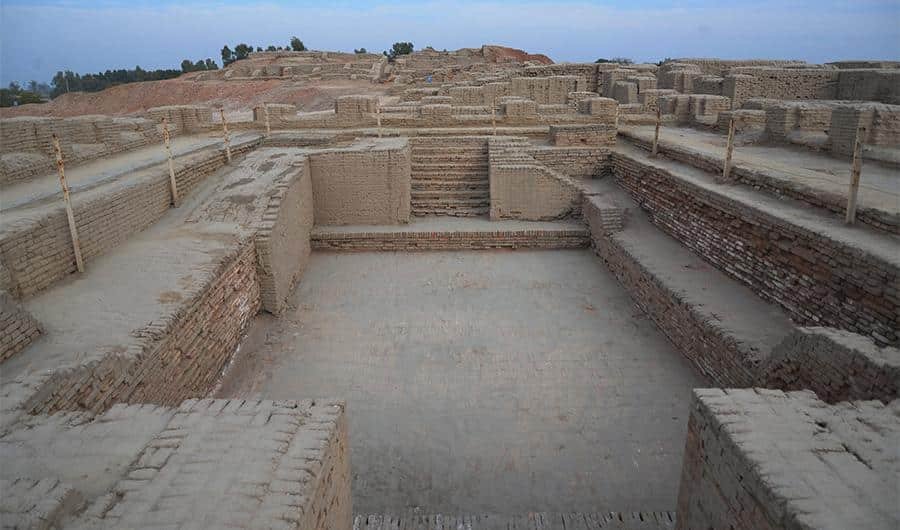
The city had over 700 wells for clean water. The Great Bath was about 12 × 7 meters. It was lined with waterproof materials. This bath served communal and ritual purposes. Cleanliness was very important to society.
Source: AN
The drainage system included covered channels. It also had access points for maintenance. This further demonstrated the city’s focus on sanitation. The YouTube documentary “Mystery of Mohenjo-Daro” highlights the planning behind its construction. The drainage and sewage systems show a strong emphasis on public health and sanitation, which are essential for urban life today. Public baths, uniform building materials, and well-designed streets suggest not only practicality but also a shared identity and responsibility among residents. The city’s infrastructure offers lessons for modern urban design.
Preservation and Resilience Against Climate Challenges and Floods
Modern threats to heritage sites are serious. Mohenjo-Daro’s ancient mud-brick buildings were significantly damaged during the 2022 monsoon rains, leading to urgent conservation efforts. We face challenges like climate change, erosion, and authenticity issues, requiring mud-slurry treatments and careful planning. Architect Yasmeen Lari emphasizes the site’s raised platforms and drainage systems as essential for flood resilience. She advocates for using eco-friendly, local materials over imported concrete, highlighting the importance of local knowledge in addressing climate challenges. Mohenjo-Daro’s construction methods provide valuable lessons for sustainable rebuilding after disasters.
Unearthed Treasures & Ongoing Discoveries
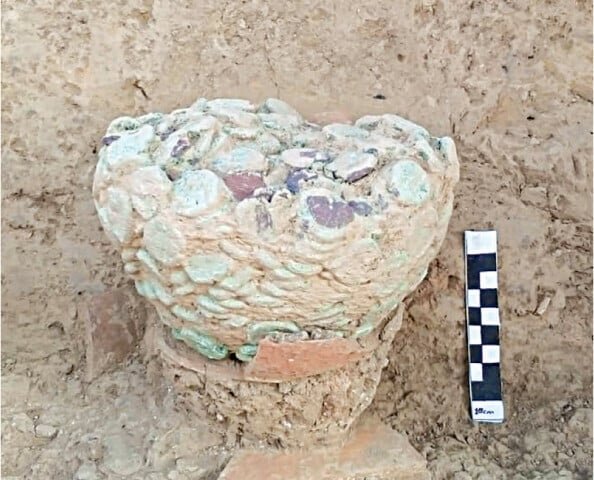
Only about 8% of Mohenjo-Daro has been excavated. Recent archaeological efforts in 2023 led to the discovery of a pot of copper coins and a Kushan coin hoard from the 1st–3rd century CE near a Buddhist stupa, highlighting the site’s enduring significance.
Source: Archaeology
Final Thoughts
Mohenjo-Daro represents a lost civilization marked by ingenuity and resilience. Its pioneering sanitation systems and recent discoveries offer valuable lessons in sustainability and heritage, preserving a vital link between past and future. It represents more than just an archaeological site; it serves as a testament to Pakistan’s significant role in the early development of human civilization. Its narrative disputes the outdated belief that sophisticated urban planning emerged solely in the West, instead emphasizing South Asia’s crucial contribution to human history. As Pakistan progresses, the principles reflected in the design of Mohenjo-Daro—sustainability, community, and innovation—remain ever-relevant.