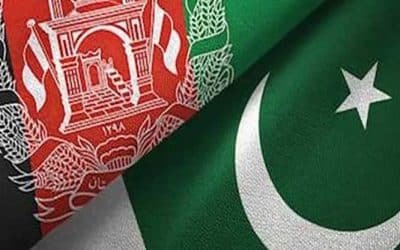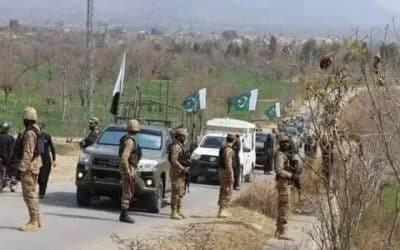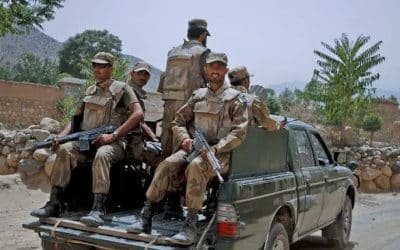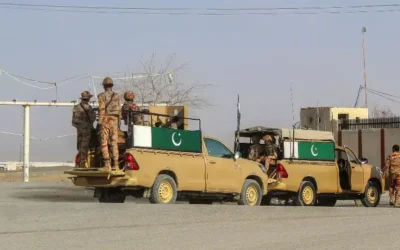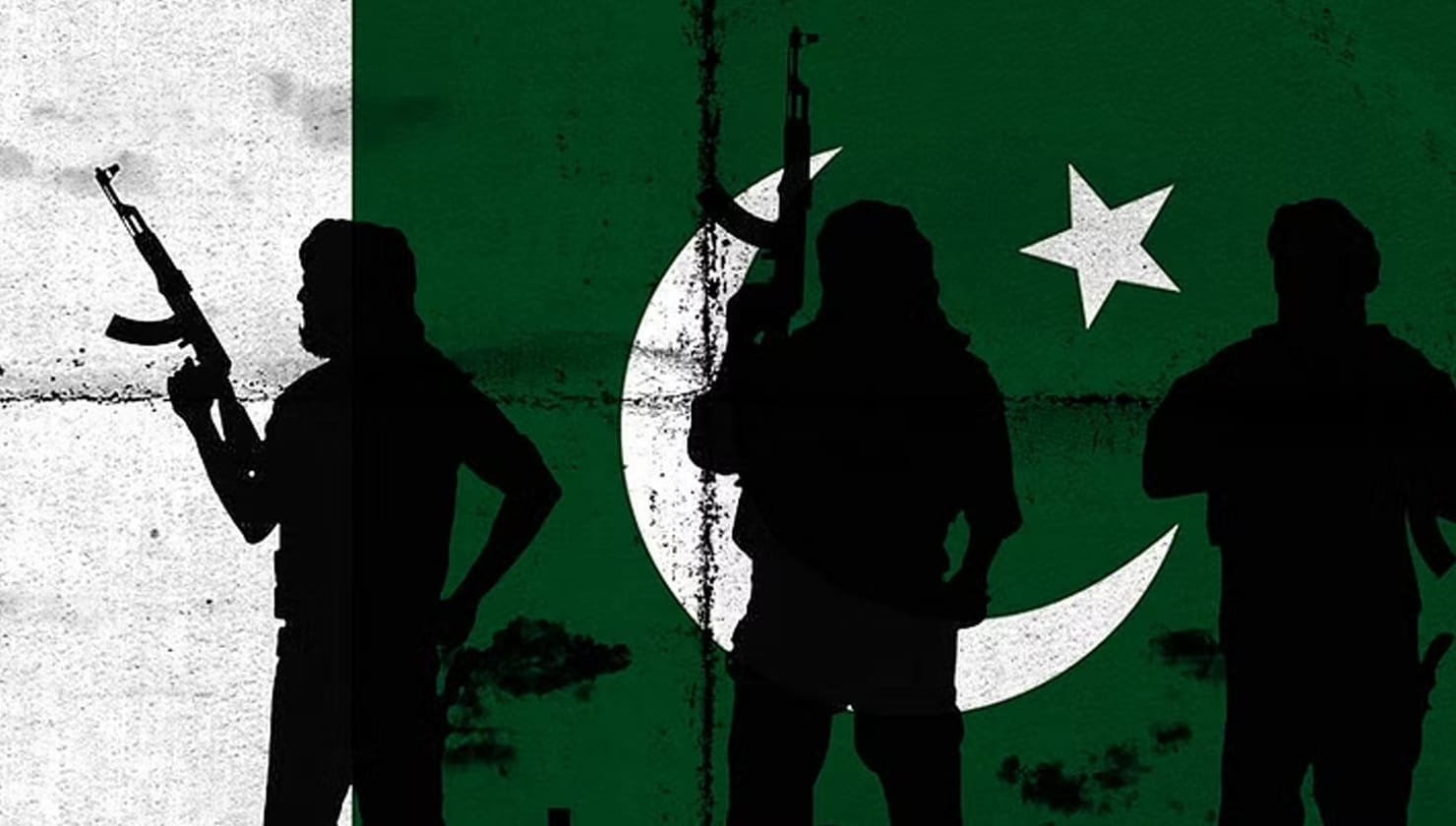




Since its creation in 1947, Pakistan has been subject to regional threats. Pakistan and India’s historical enmity and volatile relations since partition have made Pakistan a battleground. India’s continuous involvement in Pakistan, for instance, via patronage to Baloch insurgents to impede the progress of the CPEC project, has resulted in instability in the nation. Furthermore, the Afghan Intelligence Agency’s support to non-state actors in Pakistan adds to the concern of security threats. This article explores the role of such foreign actors in fueling terrorism in Pakistan to destabilize its geo-political position in South Asia.
The Involvement of RAW
The Research and Analysis Wing (RAW) was established in 1968 initially to aid in the disintegration of Pakistan and the creation of Bangladesh in 1971. Indian intelligence officers were actively involved in helping Bengali refugees set up the Mukti Bahini. Indian Army officials even set up training camps along the border of East Pakistan for them. Since the 1980s onward, RAW has attempted to separate Pakistan and Balochistan by inciting insurgencies in the region.
The Indian Agency repeatedly incites groups such as Fitna al-Hindustan (FAH) to fight against the law and order enforcers in Balochistan. Not only have they been accused of providing them with weapons, but also of encouraging them to use guerrilla tactics to fight against the security forces. RAW’s interests lie in using militant groups in Pakistan to disrupt internal stability. It seeks to achieve these goals through heavy financial support.
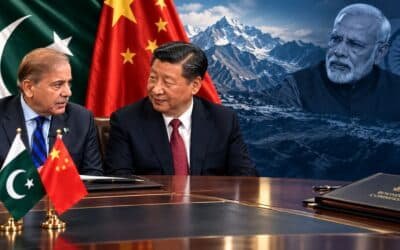
Another key focus of RAW is to monitor Pak-China relations and their progress. Their target is the China-Pakistan Economic Corridor (CPEC), which would significantly boost the economy and propel the country into a position of global significance. To prevent this project from furthering, RAW utilizes FAH and Fitna al-Khwarij (FAK). In an operation carried out by Pakistan’s intelligence agencies, a member of the FAK was captured. He confessed to RAW’s involvement in Balochistan and its overarching aim to sabotage the CPEC project. He claimed that the foreign agency was responsible for “building terror hideouts in Khuzdar, Balochistan…and carrying out kidnappings for ransom to create a narrative of forced disappearance”. In addition, he stated that the disappeared individuals were being kept in Afghanistan, hinting at a cooperation between the two countries.
While the gains to India from halting the progress of CPEC are obvious, preventing a rival nation from becoming too economically strong, other foreign actors also benefit. The creation of the Gwadar port would undermine the significance of the UAE’s Jebel Ali Port, which is currently considered one of the world’s busiest ports. Much of Dubai’s commercial strength lies in its role as a regional logistics and re-export hub. Gwadar could reduce the UAE’s monopoly over regional maritime trade routes. India’s improving relationship with the Gulf States is also a point of consideration for Pakistan. For the nation, the most reliable support comes from China, rather than its Muslim brethren countries.
Source: Dawn
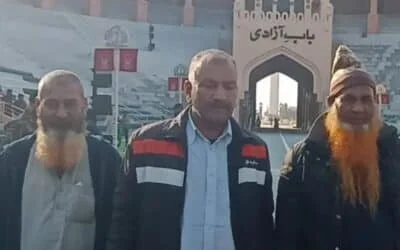
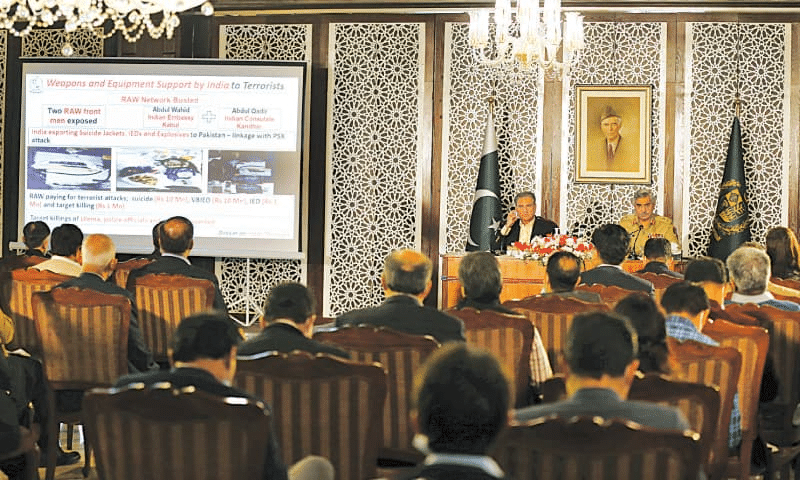
In 2016, Pakistan provided credible proof of RAW’s involvement in Pakistan through the arrest of Kalboshav Yadav, an Indian agent. He confessed to being responsible for insurgencies in Balochistan and fuelling sectarian differences. However, India denied responsibility, claiming he was a naval officer on business in Iran. In 2018, Pakistan held a press conference in which it again asserted that India needs to stop propagating cross-border aggression.
India’s Water Terrorism
Pakistan is a low riparian country and, therefore, dependent on the flow of water from India. Additionally, being an agriculture-based economy, its reliance on water cannot be understated. India repeatedly takes advantage of its position to create an artificial shortage of water in Pakistan and create instability. Following the conflict that occurred in May 2025 between the countries, India indefinitely suspended the Indus Water Treaty, claiming it has no plans to reinstate it. The rival country has used this form of continuous manipulation of Pakistan’s waters for decades, which is indicative of its hegemonic designs. If Pakistan’s rivers are not restored, they will have no choice but to turn towards conflict to protect their interests.
NDS Involvement in Pakistan
The National Directorate of Security (NDS) is Afghanistan’s intelligence agency, which carries out acts of terror in Pakistan, both separately and in collaboration with RAW. It lends its support to militants and anti-state actors in Pakistan. There is also evidence of NDS creating chaos in Balochistan and supporting FAH, leading to terrorism. Pakistan states that RAW provides the funds and NDS military training to the insurgents. Even after the Taliban’s return to power in 2021, Pakistan has concerns that the remnants of the NDS-RAW nexus may be harboring terrorists who launch cross-border attacks in the country’s tribal regions.
Conclusion
Foreign involvement in the perpetuation of terrorism within Pakistan cannot be ignored, especially in relation to the nefarious activities of RAW and NDS, and the broader regional competition that plays itself out in Afghanistan and Balochistan. The collaboration between these two agencies has exacerbated the terrorism issue in Pakistan. For South Asia to proceed toward peace and stability, India needs to rethink its dependence on covert operations and proxy wars and instead focus on dialogue and development. Until such time, the threat of foreign-backed terrorism will linger in the shadows, sabotaging hopes for a stable and prosperous future.
References:
- Malik, Muhammad Shoaib, and Hafeez Ullah Khan. “Regional security threats to Pakistan: A critical review.” Pakistan Journal of History and Culture, 39 (2), 2018, pp. 159-175.
- Haider, Sajid, et al. “Identifying Causes of Terrorism in Pakistan.” Dialogue (Pakistan) 10.3 (2015).