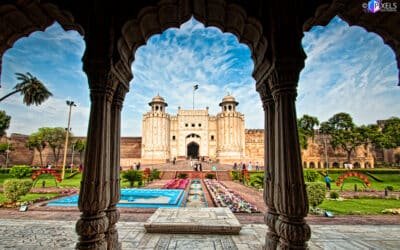


Pakistan’s tourism industry has seen its best year on record, with more than one million foreign tourists visiting the country, an 820 percent increase compared to previous years. The boom has helped push Pakistan’s tourism market to a value of $4.91 billion, with industry analysts forecasting continued growth of over 11 percent annually in the years ahead.
Key Takeaways
- Foreign tourists visiting Pakistan increased by 820% from previous years, with over 1 million tourists.
- The tourism market was valued at $4.91 billion in 2022 and is projected to reach $8.31 billion by 2031
- Security in Hunza, Skardu, Swat and Gilgit is a major driver for upgrades
- 192 countries embrace online visa system, making travel easier for visitors
- Gilgit-Baltistan listed among CNN’s top 25 destinations in the world
What’s driving the boom
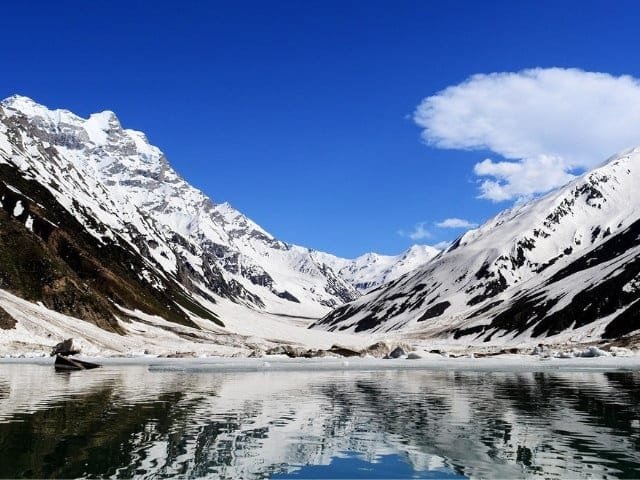
Security improvements top a list of factors that have come together to fuel this growth. Areas like Hunza, Skardu, Swat and Gilgit, once viewed as more remote or less secure, are now seen as much more friendly and accessible to international visitors. That shift in perception is hugely important for tourism, because traveler confidence tends to follow security more closely than any other factor.
Government policy has also been a major factor. Pakistan launched an online visa system for 192 countries, easing access for leisure, religious and family travelers. The paperwork and uncertainty that used to put off shorter, less-planned trips has been cut down by a special “Visa Before Arrival” service, now available for nationals of 126 countries in particular. In February 2026, the federal cabinet restructured the Pakistan Tourism Development Corporation for better national branding and coordination in the sector.
This recognition abroad has given an extra impetus. Gilgit-Baltistan has been named among the top 25 tourist destinations of the world by major media outlets like BBC and CNN, an exposure that money cannot buy. Pakistan’s own ‘Salam Pakistan’ campaign has tried to put the country’s scenery and cultural sites on display to the world while the Sustainable Tourism Forum, held regularly since 2024, has provided a platform for ongoing dialogue on investment and development in the sector.
Supporting Infrastructure Investment for Growth
None of this growth would be sustained without real infrastructure behind it. Green Pak Hotels and Resorts completed seventeen projects in the last two years, and plans to open ten more in 2026, including new properties in Gadani, Sonmiani, and Hunza. The Green Pakistan Initiative has finalized agreements for 78 tourism sites in just eighteen months, and fifteen of the seventeen planned hotels and recreational facilities are already open to visitors.
Transportation improvements have also been important. The New Gwadar International Airport opened in October 2024, while upgrades to the Karakoram Highway have greatly eased access to Gilgit-Baltistan and multi-destination itineraries across the north. A new digital portal, Tourism on the Palm, is providing foreign and domestic travelers with a one-stop shop to plan trips and get up-to-date information, replacing a scattered and more difficult-to-navigate process.
Implications for Pakistan’s Economy
The economic case for tourism growth is clear-cut, and industry officials have been candid about the numbers. The Federation of Pakistan Chambers of Commerce and Industry said: “One million tourists a year could generate $2 billion revenue for the country. Pakistan’s tourism receipts have already jumped 58 percent in 2024 compared with the previous year, beating several regional rivals including Bangladesh.
The ripple effects go well beyond hotels and airlines. The growth of tourism creates demand for transportation, food service, retail, and local guiding services, sectors that tend to employ people in small towns and rural areas where formal job opportunities are often scarce. Travel platforms, for their part, have started expanding in response to increasing demand, offering more tailored trip planning, flight bookings and guided tours for both local and international travelers, a sign private investment is following the government’s lead, rather than waiting on the sidelines.
Headwinds remain strong. The cost of traveling globally is higher, inflation is high, and regional geopolitical tensions continue to affect travel decisions worldwide; Pakistan is not immune to those pressures. Reliable and consistent collection of tourism data is still lacking, and both the Pakistan Tourism Development Corporation and the Pakistan Bureau of Statistics are working to fill this gap. Even with those obstacles, the size of this year’s growth indicates a true change for a sector that took years to attract the international acclaim its landscapes and heritage sites arguably always deserved.