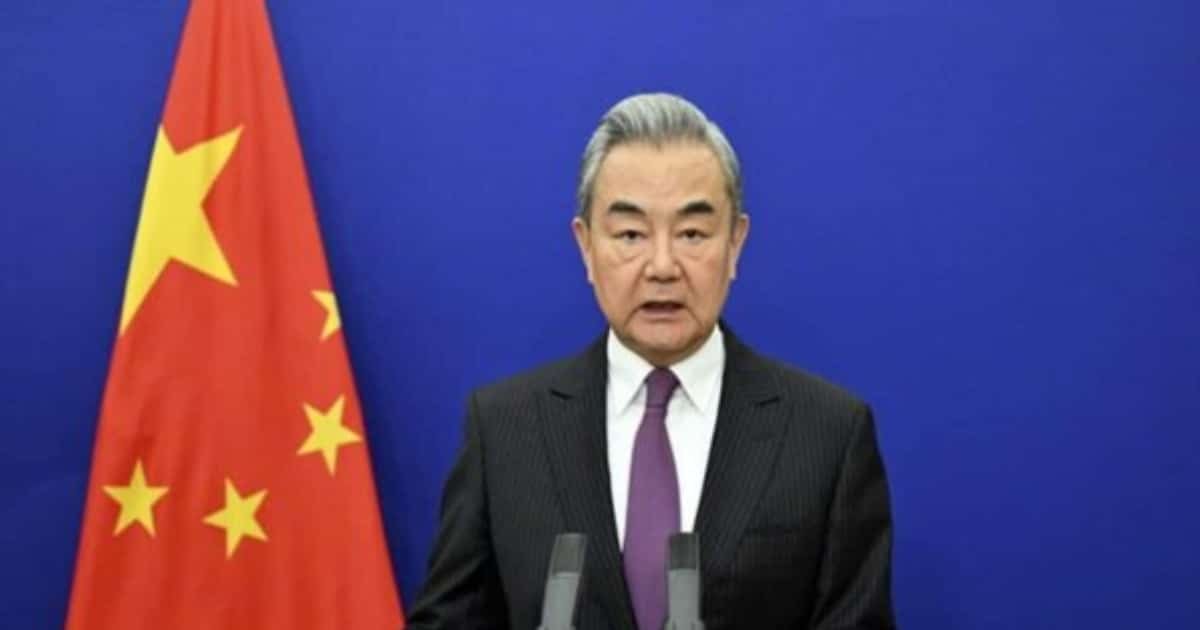



On Sunday, April 5, 2026, Chinese Foreign Minister Wang Yi and Russian Foreign Minister Sergey Lavrov held an emergency telephone consultation to coordinate a joint response to the escalating Middle East conflict. The two world powers, both permanent members of the UN Security Council, have officially called for an immediate ceasefire and the rejection of “unauthorized” military force in the Strait of Hormuz.
The Joint Position: UN Security Council over “Ultimatums”
The conversation focused on the deteriorating situation as the April 6/7 U.S. deadline approaches. The ministers emphasized several key principles:
- The “Fundamental Solution”: Wang Yi stated that the only way to ensure international navigation and restore global energy security is an immediate ceasefire. He warned that continued conflict would lead to “endless trouble.”
- Constructive UN Role: Sergey Lavrov reiterated that the UN Security Council must play the primary role in finding a diplomatic solution, specifically criticizing the use of “the language of ultimatums” (a direct reference to President Trump’s “Tuesday Doctrine”).
- Strategic Coordination: Both nations agreed to maintain “close communication” and to uphold a “fair and objective” position during the upcoming UN vote on the Bahrain-led resolution regarding the opening of the Strait of Hormuz.
Strategic Calculus: Indirect Support vs. Direct Intervention
While China and Russia are presenting a united diplomatic front, geopolitical analysts suggest their underlying strategies are designed to protect their own national interests:
- Beijing’s “Balancing Act”: China aims to distract the United States from the Indo-Pacific and Taiwan by keeping American military focus pinned on the Middle East. However, as a major oil importer, China is increasingly desperate to reopen the Strait to prevent further domestic energy shocks.
- Moscow’s “Economic Gain”: Russia has reportedly seen an energy revenue surge of $45 billion to $97 billion due to the war-driven oil price spike. While they publicly call for peace, Moscow views the conflict as a way to “drain American resources” and deplete Western missile stockpiles.
- Intelligence vs. Boots: Both countries have refused formal defense commitments to Tehran but are reportedly providing satellite imagery and intelligence to help Iran improve the accuracy of its defensive strikes.
Response to the “Tuesday” Threat
The Sino-Russian call is seen as a direct diplomatic counter-move to President Trump’s threat to strike Iran’s power plants and bridges tomorrow:
- Denouncing War Crimes: Iran has formally petitioned the UN, citing the U.S. threat to target “civilian infrastructure” as clear evidence of intent to commit war crimes.
- The “Grand Bargain” Pressure: China and Russia are attempting to use their influence to convince Iran to accept the “Monday Window of Opportunity” for a deal, while simultaneously pressuring Washington to abandon its plan for “Total Infrastructure Obliteration.”
Regional Status Update (April 6, 2026)
| Actor | Action | Current Stance |
| China | UN Diplomacy | Calls for “Fairness and Transparency”; Ceasefire priority. |
| Russia | Energy Surge | Calls for “Political Track”; Benefit from high oil prices. |
| Iran | IRGC 97th Wave | Continuous strikes on U.S./Israeli Gulf assets. |
| USA | Final Ultimatum | Tuesday Deadline for infrastructure strikes. |
You May Like To Read: IRGC Launches 97th Wave, Targets U.S. Commanders in Kuwait and Israeli Vessel
Check out our latest video: