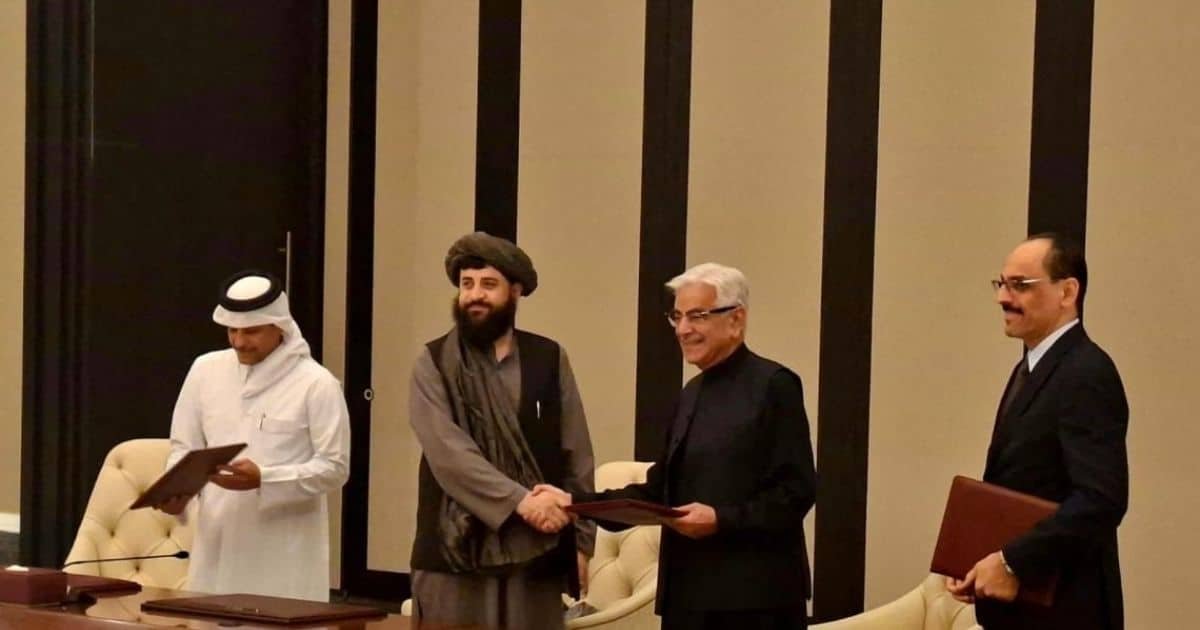





ISLAMABAD: Pakistan on Friday characterized the Istanbul agreement with the Afghan Taliban as a conditional truce, emphasizing that the ceasefire is not open-ended and depends on tangible action by Kabul against terrorist groups operating from Afghan soil. The next round of high-level talks is scheduled for Nov 6 in Turkiye.
A senior Pakistani security source said the Istanbul talks, mediated by Turkiye and Qatar, produced a three-point understanding: continuation of the ceasefire, establishment of a monitoring and verification mechanism, and penalties for violations. Operational details are expected to be finalized when senior representatives from both sides meet again in Istanbul.
🔴LIVE: Spokesperson’s Weekly Press Briefing 31-10-2025 at Ministry of Foreign Affairs, Islamabad https://t.co/uFN4BvtiuO
— Ministry of Foreign Affairs – Pakistan (@ForeignOfficePk) October 31, 2025
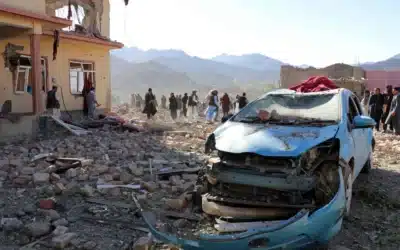
The discussions followed a sharp escalation in tensions last month, including Pakistan’s Oct 9 airstrikes on TTP sanctuaries in Afghanistan, border clashes, and a subsequent Doha-mediated ceasefire on Oct 18-19.
You May Also Like: Pakistan, Afghanistan Agree to Maintain Ceasefire After Istanbul Talks
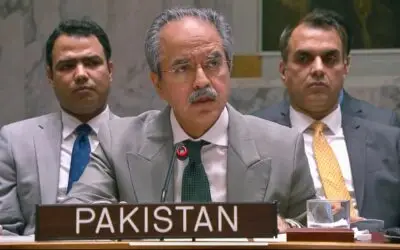
Foreign Office spokesman Tahir Hussain Andarabi emphasized that the statement issued by Turkiye should be seen as a “preface” rather than the full text of the agreement, noting that it did not fully reflect Pakistan’s position, particularly regarding the TTP and BLA presence in Afghanistan.
“Pakistan does not seek further escalation but expects the Afghan Taliban regime to honour its commitments and address Pakistan’s legitimate security concerns by taking concrete and verifiable actions against terrorist entities,” he said.
A senior security official stressed Islamabad’s cautious stance: “This ceasefire is not open-ended and not unconditional.” Pakistan expects credible proof of action, including dismantling militant hideouts, disrupting logistical channels, arrests or prosecutions of leadership, and transparent reporting through the agreed monitoring mechanism. Any failure by Afghanistan to comply will trigger Pakistan reserving all options to safeguard sovereignty and citizens.
While the Istanbul delegation was dominated by military and intelligence officials, the FO maintained that the civilian leadership remained fully engaged, with guidance from Deputy Prime Minister and Foreign Minister Ishaq Dar and participation of the foreign secretary and Afghanistan Division. The border remains closed for trade until security evaluations improve.
Defence Minister Khawaja Asif indicated that multi-nation monitors could be included in the verification mechanism to ensure long-term effectiveness. He reiterated Pakistan’s demand that terrorism emanating from Afghan soil must stop, pointing out that the TTP leadership is present in Kabul and that the Taliban acknowledged their presence privately.
“There is a ray of hope, but only because of Qatar and Turkiye’s influence over Kabul,” Asif said, warning that until terrorist activities cease, the ceasefire cannot be considered effective.
Check out our latest video: