



TEHRAN / JERUSALEM / TEL AVIV — The regional conflict has reached a fever pitch as Iran launched a massive missile barrage across Israel and the West Bank on Sunday night and Monday morning, March 2, 2026. Explosions rocked major urban centers, including Jerusalem and Tel Aviv, as Tehran’s “Mosaic Defense” strategy aims to overwhelm Israeli and American defense systems in retaliation for the assassination of Supreme Leader Ayatollah Ali Khamenei.
Bloodshed in Central Israel
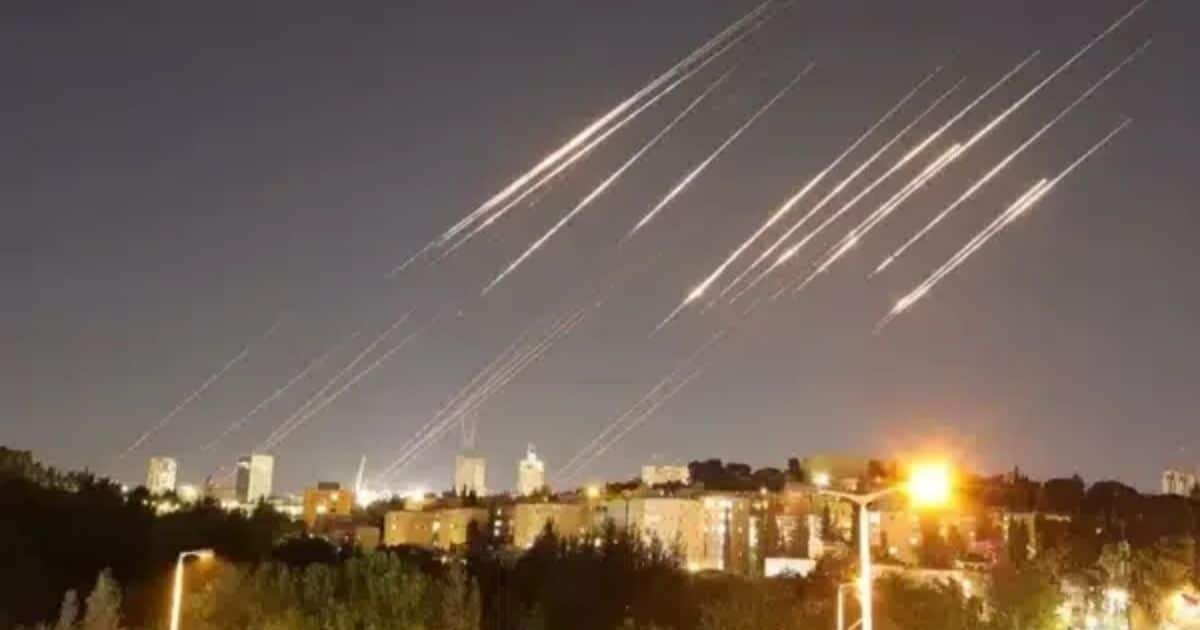
While Israel’s multi-layered defense systems (Arrow, David’s Sling, and Iron Dome) intercepted “dozens” of projectiles, several high-impact hits were recorded:
- The Beit Shemesh Strike: The deadliest single incident occurred in Beit Shemesh (west of Jerusalem), where a ballistic missile direct-hit a residential neighborhood. At least 9 people were killed and 28 wounded.
- Jerusalem and Tel Aviv: At least 7 civilians were injured in West Jerusalem. In Tel Aviv, rescue services confirmed a woman died from injuries sustained during the barrage, and multiple vehicles were incinerated by falling debris.
- State of Emergency: The Israeli government has officially extended the nationwide state of emergency until March 12, 2026, keeping schools closed and citizens in bunkers.
THIS IS TEL AVIV.
THANK YOU IRAN! pic.twitter.com/9ajNuN6r7H
— Daily Iran News (@DailyIranNews) March 2, 2026
Iran’s Disinformation and Claims of “Naval Victories”
Iranian state media and the IRGC have issued a series of dramatic, though largely unverified, claims regarding their counter-offensive:
- The USS Abraham Lincoln: Iran claimed to have struck the U.S. aircraft carrier with four ballistic missiles. U.S. Central Command (CENTCOM) has categorically denied this, calling it a “lie” and stating the missiles “didn’t even come close.”
- Tankers Ablaze: The IRGC claims to have set fire to three American and British oil tankers in the Strait of Hormuz. While shipping lines have suspended transit, independent verification of the sinkings remains pending.
- Casualty Inflations: Iranian media claimed 560 U.S. soldiers were killed or injured—a figure that stands in sharp contrast to the 3 U.S. deaths officially confirmed by the Pentagon.
Regional Backlash: Jordan Summons Ambassador
The spillover of the conflict has infuriated regional neighbors:
- Jordan’s Protest: The Jordanian Foreign Ministry summoned Iran’s chargé d’affaires in Amman after 73 incidents of falling missile debris were recorded on Jordanian soil. Amman has demanded an immediate halt to the “violation of its sovereignty.”
- GCC Readiness: The Gulf Cooperation Council (GCC) held an emergency session, with Saudi Arabia, the UAE, and Kuwait vowing to take “all necessary measures” to defend their territories against Iranian drones and missiles.
Iran launches 4 ballistic missiles at the US aircraft carrier Abraham Lincoln ….See more pic.twitter.com/aywFaUAdaZ
— USA Army 🇺🇲 (@ARMYofUSA) March 1, 2026
Israel’s Second Wave: “Path to Tehran”
Even as sirens blared in Tel Aviv, the Israeli Air Force (IAF) launched a “large-scale additional wave” of strikes on Monday morning:
- Targets: The IAF is targeting the “heart of the regime” in Tehran, including the Ministry of Information and the remaining IRGC command bunkers.
- Hezbollah Front: Simultaneously, the IDF is striking Hezbollah positions in Lebanon after the group fired a “swarm of drones” at northern Israel, marking the official opening of a second front.
The 4-Day Timeline: Where We Are
| Day | Key Event | Outcome |
| Day 1 (Feb 28) | “Operation Epic Fury” begins. | Khamenei killed; 48 senior leaders eliminated. |
| Day 2 (Mar 1) | First Iranian Retaliation. | 9 dead in Beit Shemesh; Strait of Hormuz closed. |
| Day 3 (Mar 2) | Multi-Front Escalation. | Hezbollah enters war; US Navy sinks 9 Iranian ships. |
| Day 4 (Expected) | Final “Decapitation” Phase. | Focus on dismantling nuclear sites and IRGC ground remnants. |
You May Like To Read: