


On Monday, March 30, 2026, global oil markets witnessed a dangerous acceleration, with Brent Crude jumping to $115.66 per barrel and WTI crossing $102.56. This 59% monthly surge is now being compared to the volatility of the 1990 Gulf War, as the conflict expands beyond the Iran-Israel axis to threaten the world’s most critical energy arteries.
The “Chokepoint” Crisis
The primary driver of this price explosion is the effective closure of the Strait of Hormuz for regular commercial traffic:
- The 20% Rule: One-fifth of the world’s oil and LNG passes through this 21-mile-wide channel. With major shipping lines like Maersk and Hapag-Lloyd suspending transits, global supply chains are facing an unprecedented “supply shock.”
- Red Sea Escalation: The situation worsened as Yemen’s Houthi rebels officially entered the war on March 28, launching drones and missiles at Israel. This has effectively turned the Bab al-Mandab Strait and the Red Sea into “no-go zones,” forcing tankers to reroute around Africa.
Saudi Arabia’s “Red Sea” Pivot
In an attempt to bypass the blocked Strait of Hormuz, Saudi Arabia has drastically redirected its logistics:
- Yanbu Port Expansion: The Kingdom is now pumping 4.6 million barrels per day through the East-West pipeline to its western port of Yanbu on the Red Sea.
- The New Risk: While this provides a temporary “bypass,” experts warn that with Houthi involvement in the conflict, the Yanbu export route is now directly in the line of fire.
Attacks on Neutral Infrastructure
The conflict has begun spilling into territories previously considered safe:
- Oman (Salalah Terminal): On Saturday, March 28, a drone strike hit a crane and storage units at Salalah Port, an expatriate worker was injured. This is a significant escalation as Salalah was the primary alternative for ships avoiding the Gulf.
- UAE (Al Taweelah): Significant damage was reported at the Al Taweelah aluminium smelter in Abu Dhabi following an Iranian missile barrage, further spooking the industrial energy markets.
Diplomatic “Firefighting” in Islamabad
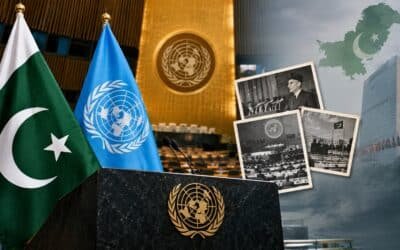
While the military conflict rages, Pakistan has emerged as the global center for de-escalation:
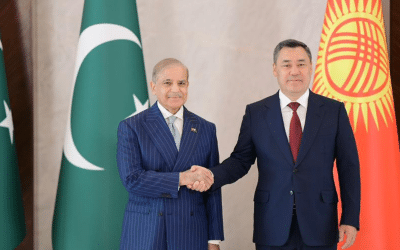
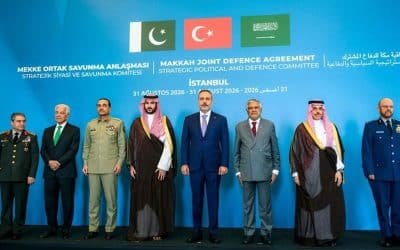
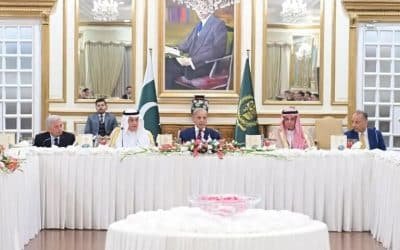
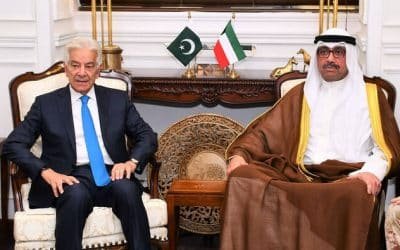
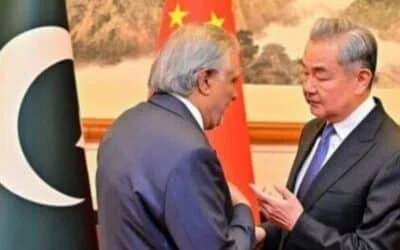
- The Quadrilateral Summit: Yesterday, March 29, Foreign Minister Ishaq Dar hosted the FMs of Saudi Arabia, Turkey, and Egypt in Islamabad.
- The Outcome: The four nations issued a unified call for an immediate ceasefire. Dar confirmed that both Washington and Tehran have expressed “confidence” in Pakistan to facilitate direct talks, which could happen as early as this week.
- The “20 Tanker” Deal: As a gesture of respect toward Islamabad’s mediation, Iran has permitted 20 Pakistani-flagged tankers to pass through the Strait of Hormuz, providing a vital energy lifeline for Pakistan’s domestic needs.
You May Like To Read: U.S.-Israeli Coalition Hits Iranian Tabriz Petrochemical Complex
Check out our latest video: