

While India promotes itself as an emerging global power—with booming markets, triumphs in space, and a rotating G20 presidency—the reality for millions of its marginalized citizens paints a very different picture. Under Prime Minister Narendra Modi’s Hindutva agenda, Muslims, Dalits, Christians, Sikhs, and lower-class workers face rising exclusion, hostility, and state-sanctioned repression
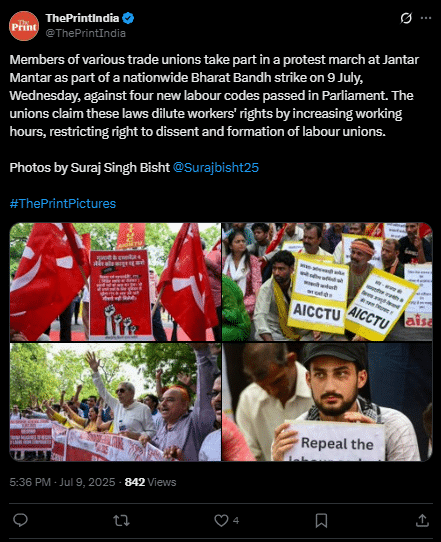
Despite high GDP growth, the benefits have been uneven. Many informal and rural laborers—disproportionately Muslim, Dalit, or tribal—were left destitute during India’s abrupt 2020 COVID lockdown. Today, plagued by inflation, unemployment, and inadequate public services, they remain sidelined by policies that favor corporate interests and upper-caste Hindus.
Muslims: Systemic exclusion and violence
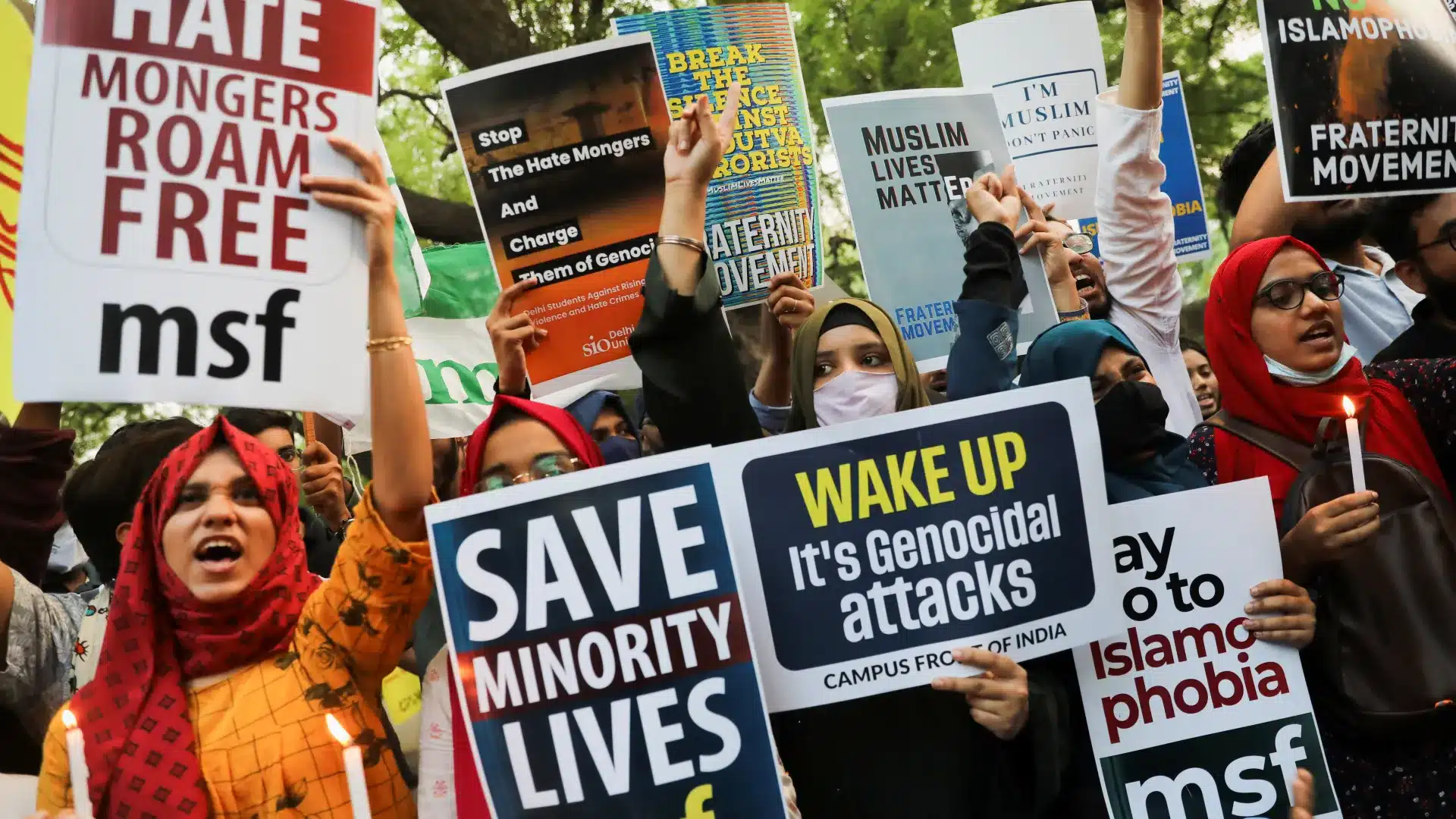
India’s 200 million Muslims have faced escalating discrimination since the BJP’s ascent. The Citizenship Amendment Act (CAA, 2019) and proposed National Register of Citizens (NRC) are widely seen as tools to disenfranchise Muslims. Human Rights Watch documented police brutality, mob violence, and arbitrary demolitions of Muslim properties following related protests. According to CFR, the BJP’s governance has “further limited Muslims’ rights” and “restricted religious freedoms”.
Dalits: Caste-based repression
In April 2018, nationwide protests erupted when the Supreme Court attempted to dilute protections under the Scheduled Castes and Tribes (Prevention of Atrocities) Act. Police crackdowns resulted in at least 14 deaths. Dalits continue to endure violence, discrimination in education, and threats when asserting their rights.
Christians: Under threat in the name of conversion
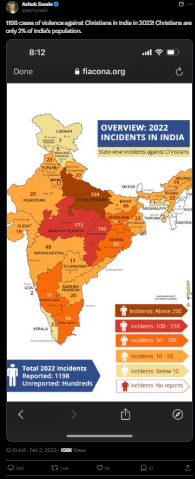
Vigilante mobs and state-backed anti-conversion laws have targeted Christians, especially tribal and Dalit converts in BJP-led states. Reports show thousands of attacks on Christian gatherings, forcible interruptions, arrests, and church desecrations—a pattern of repression and criminalization under Hindutva laws.
Sikhs: Labelled anti-national during farmer protests
The mass protests against farm law deregulation (September 2020–December 2021) were primarily led by Sikh farmers. Their peaceful sit-ins were met with force, tear gas, branding as “terrorists” and allegations of Khalistani separatism. In their 2024 resurgence, thousands again faced tear gas, barricades, mass detentions, and internet blackouts. Internationally, the protests drew attention to Indian state pressure on Sikh activists abroad.
Bulldozer “justice” & crackdown
Modi’s regime has endorsed property demolitions—often targeting Muslims and Dalits—using bulldozers as symbols of swift punishment for dissent. Civil society, NGOs, journalists, and universities critical of the BJP face raids, forced funding seizures, and heightened surveillance.
Chachajan crying after his 15 year old house demolished in Goalpara of Assam, total 667 house will be demolished today, already 2000 house were given eviction notice. 20 Bulldozers are in action. Interestingly majority of Bangladeshi Muslims staying in India for 30-40 years don’t… pic.twitter.com/PaEpabJBB3
— Oxomiya Jiyori 🇮🇳 (@SouleFacts) June 16, 2025
A spike in hate speech
A Washington-based India Hate Lab recorded a 74% jump in documented hate speech against religious minorities—including Muslims and Christians—during the 2024 election cycle. Reports cite inflammatory rhetoric from the top leadership as normalizing public prejudice.
Across the border, the unfolding reality in India is deeply concerning. Under the guise of economic prowess, India’s majoritarian turn risks dismantling its secular fabric. As Pakistani journalists and citizens, aware of our historical pains, we urge regional stakeholders not to ignore India’s widening internal divisions. Democracy demands more than growth numbers—it requires safeguarding every community.
Conclusion
India’s rise on the world stage looks hollow to those who face daily marginalization. From biased citizenship laws and hate-driven rhetoric to bulldozer demolitions, arrests, and violence, Modi’s Hindutva project has systematically undermined justice for minorities. Unless these policies are reversed, India risks losing the soul of its plural democracy—and fracturing not only internally, but across South Asia.