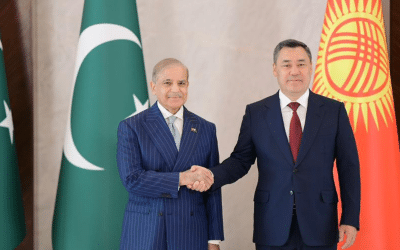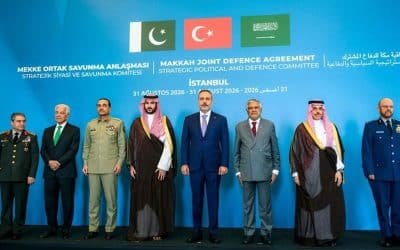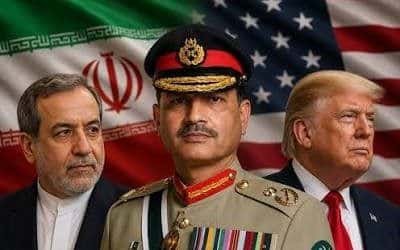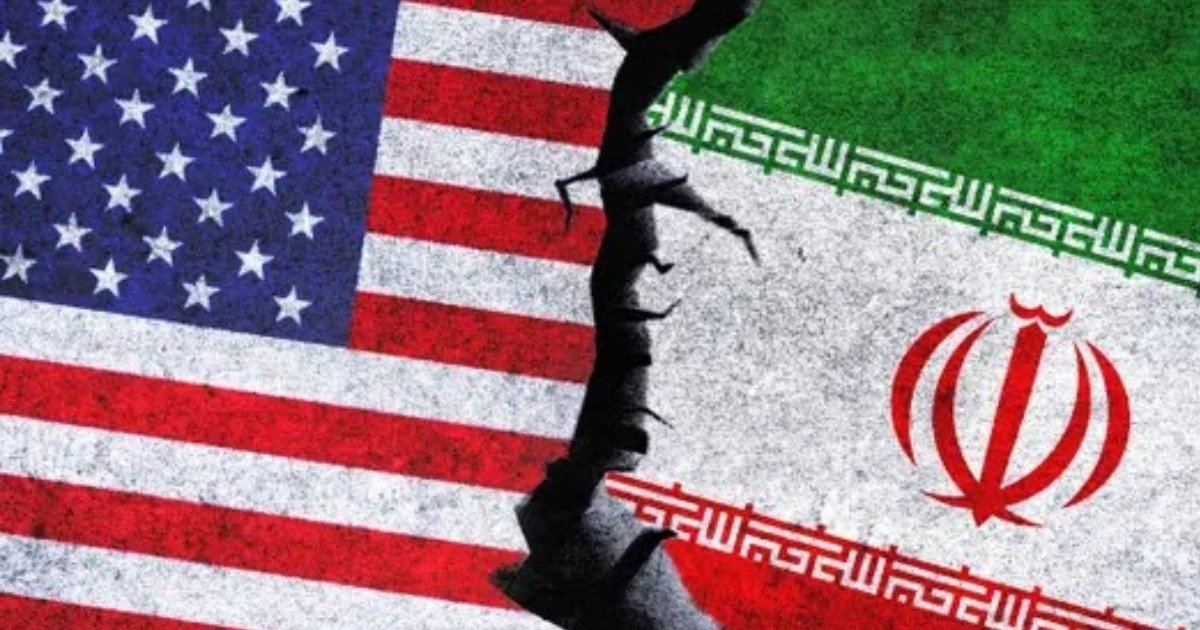



ISLAMABAD — As Pakistan continues its high-stakes mediation between Washington and Tehran, the specific contours of a proposed peace framework have emerged, revealing a massive gulf between the two adversaries. The U.S. “15-point action list,” delivered via Pakistani intermediaries, seeks a total dismantling of Iran’s strategic capabilities, while Tehran has countered with a set of “non-negotiable” red lines that demand a cessation of hostilities and the exit of U.S. forces from the Persian Gulf.
Key Highlights
-
The U.S. Framework: A 15-point proposal demanding zero uranium enrichment and the dismantling of all nuclear facilities.
-
Iranian Red Lines: Tehran rejects any curbs on its missile program or civilian enrichment rights during active conflict.
-
Regional Influence: Washington demands an end to support for regional armed groups; Iran maintains these networks are non-negotiable.
-
Strait of Hormuz: U.S. seeks guaranteed reopening; Iran insists on sovereign “coordination” over the maritime corridor.
-
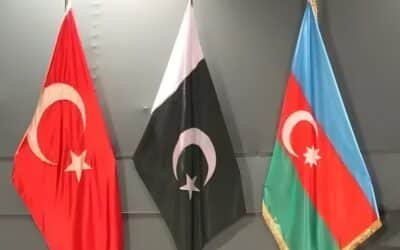
Mediation Status: Pakistan, supported by Turkey and Egypt, remains the primary conduit for these “maximalist” vs. “sovereign” exchanges.
Iran fires back at Trump’s 15-point peace plan: ‘US negotiating with itself’ https://t.co/GYzlDlL6ht pic.twitter.com/lSLZNs3C3R
— New York Post (@nypost) March 25, 2026
The U.S. 15-Point Framework: “Maximalist” Demands
The Trump administration’s proposal, described by regional diplomats as a comprehensive deal, outlines a path toward a permanent ceasefire. Key pillars include:
-
Nuclear Rollback: An absolute end to all uranium enrichment on Iranian soil and the transfer of all enriched stockpiles to the IAEA.
-
Infrastructure Dismantlement: The decommissioning of key nuclear facilities and unimpeded, “anytime-anywhere” access for international inspectors.
-
Missile Constraints: Strict new limits on the range and development of Iran’s ballistic missile program.
-
Regional Disengagement: A total cessation of financial and military support for regional armed groups.
-
Maritime Freedom: Unconditional reopening of the Strait of Hormuz to international shipping.
The Incentive: In exchange, the U.S. offers a comprehensive lifting of economic sanctions and civilian nuclear cooperation for energy purposes.
Iran’s Counter-Demands: The Red Lines
Tehran has reportedly labeled the U.S. framework “maximalist,” viewing it as a demand for surrender rather than a basis for negotiation. In messages relayed through the Foreign Office in Islamabad, Iranian officials have maintained several non-negotiable positions:
White House Says Talks With Iran Continue Despite Reported Rejection of U.S. 15‑Point Plan
After Tehran’s negative initial response to the U.S. peace proposal, the Press Secretary insists discussions remain ongoing and “productive,” even as Iran has publicly dismissed the offer… pic.twitter.com/httZndoCIq
— Washington Eye (@washington_EY) March 25, 2026
-
Right to Enrichment: Reiteration that civilian uranium enrichment is a fundamental right and is not up for discussion.
-
Defensive Independence: Iran’s ballistic missile program is viewed as a vital deterrent and is excluded from the current diplomatic framework.
-
Sovereignty Over the Strait: Recognition of Iran’s legal right to coordinate traffic through the Strait of Hormuz as a sovereign coastal state.
-
U.S. Military Presence: Insistence that any future arrangement must address the presence of “hostile” naval assets in the Persian Gulf.
-
Comprehensive Ceasefire: Any agreement must include a total cessation of hostilities across multiple theaters, including Lebanon and Iraq.
The Mediation Gap
| Issue | U.S. Position (The 15 Points) | Iran’s Red Lines |
| Nuclear | Zero enrichment; dismantle facilities. | Right to enrich for civilian use is non-negotiable. |
| Missiles | Strict caps on range and production. | Defense program is independent of diplomacy. |
| Strait of Hormuz | Unimpeded, global access. | Iran retains “coordination” and sovereign control. |
| Regional Presence | Dismantle proxy networks. | Networks are not subject to negotiation. |
| Security | Reopening of maritime routes. | Comprehensive cessation of all regional hostilities. |
While President Trump’s “strike pause” has created a narrow window for diplomacy, the “Pakistan-led” channel remains under intense pressure. Pakistani officials have confirmed that while both sides are reviewing the relayed messages, a breakthrough remains contingent on the U.S. adopting a more pragmatic stance on Iran’s core strategic assets.
You May Like To Read: Over 33,000 Illegal Foreigners Repatriated From Punjab as National Drive Intensifies
Check out our latest video: