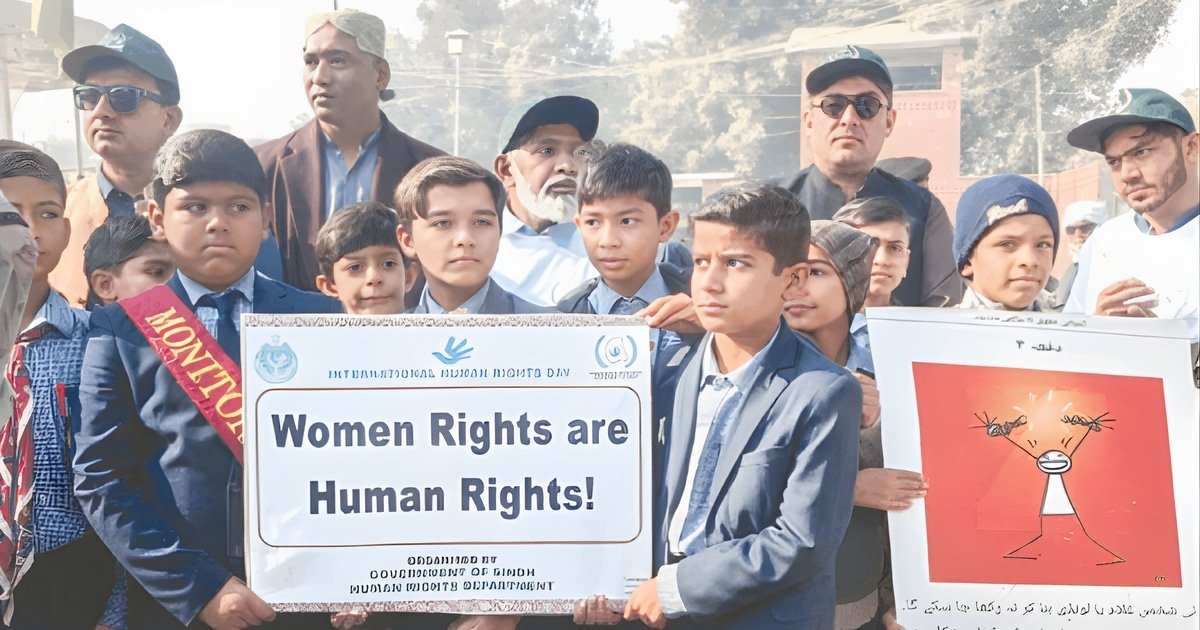


ISLAMABAD: Pakistan’s top leadership on Tuesday urged national institutions, political actors and civil society to work collectively to protect the rights of vulnerable groups as the country joined the global community in observing Human Rights Day. The day marks the 1948 adoption of the Universal Declaration of Human Rights.
In his message, President Asif Ali Zardari emphasised the need to strengthen legal, economic and social frameworks to safeguard the rights of women, children, minorities and persons with disabilities. He said the Constitution guaranteed equal freedoms to all citizens regardless of caste, creed or colour, and reaffirmed the government’s resolve to uphold liberty and human dignity.
“We must work with civil society, human rights defenders, national institutions and international partners to uphold our shared values,” he said, adding that Quaid-i-Azam Muhammad Ali Jinnah envisioned Pakistan as a society where people of all faiths and backgrounds lived in harmony. He called for renewed efforts to realise that vision through inclusion and tolerance.
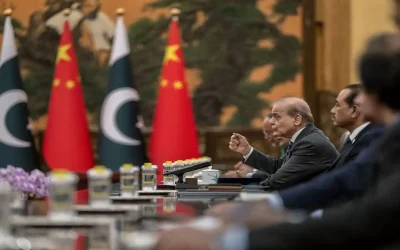
Prime Minister Shehbaz Sharif echoed these views, stressing that fundamental rights were not abstract ideals but also encompassed basic necessities such as food, clean water and personal safety. He noted that this year’s global theme, Our Everyday Needs, underscored the relevance of rights to daily life.
The prime minister pointed to ongoing reforms aimed at strengthening state institutions to better ensure social protection, gender equality and the safety of children, women, minorities and persons with disabilities. He said Pakistan remained committed to building “a society where no citizen is left behind.”
UN Secretary-General António Guterres, in a separate message, warned that civil space had shrunk worldwide, accompanied by “grave violations” reflecting a disregard for rights and human suffering. He urged governments to protect institutions that make rights “a lived reality,” saying they should “never take second place to profit or power.”
You May Also Like: IBCC Removes Arts–Science Bar for Intermediate Admissions
Women’s representation in media falls sharply
Meanwhile, findings from the Global Media Monitoring Project (GMMP) highlighted a steep decline in the representation of women in Pakistani newsrooms. According to the study, women accounted for just four per cent of reporters in 2025, down from 16pc in 2020 — part of a broader stagnation in gender parity across 95 countries.
President Zardari said the Constitution of Pakistan guarantees freedom to every citizen, without distinction of caste, creed or colour.https://t.co/yd4iMqetPo
— Dawn.com (@dawn_com) December 10, 2025
The Uks Research Centre, Pakistan’s national coordinator for the GMMP, said the monitoring captured news content from May 6, 2025, a day dominated by India-Pakistan military tensions, leaving little space for gender-focused reporting. No women reporters were recorded across television, radio or online news that day.
Coverage of gender-based violence was also minimal, with only one story appearing across all monitored media, depicting a woman solely as a victim and omitting any human rights or legal framework.