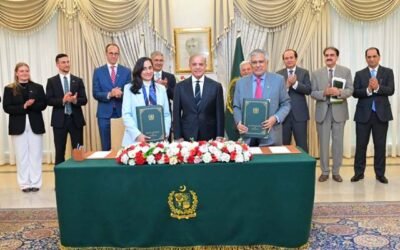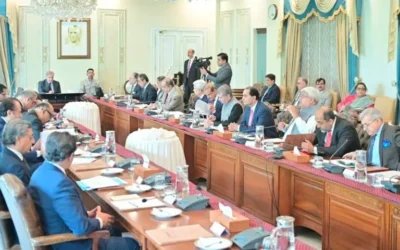
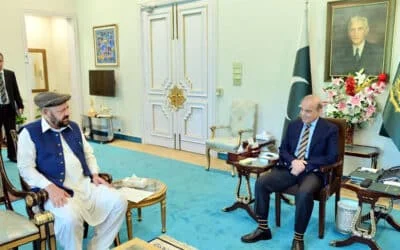




Following the Prime Minister’s address, the Cabinet Division formally issued the notification on Tuesday, March 10, 2026, transitioning all federal government offices to a four-day workweek. This measure is the centerpiece of a broader national effort to reduce electricity and fuel consumption as the Middle East conflict continues to disrupt energy supplies.
The Revised Working Schedule
The notification marks a significant shift in the operational routine of the federal bureaucracy.
Pakistan’s Prime Minister Shehbaz Sharif said on Monday that schools would close for two weeks and office workers would work more from home as he announced a range of measures to cut fuel use and government spending to cope with surging oil prices due to the Iran war.… pic.twitter.com/kn4CGfCblx
— GIST_MEDIA 🇳🇬🇺🇲 (@Gist_media_05) March 9, 2026
- Working Days: Monday, Tuesday, Wednesday, and Thursday.
- Extended Weekend: Friday, Saturday, and Sunday.
- Exemptions: This schedule does not apply to banks, essential services (health, rescue, etc.), the industrial sector, or the agriculture sector, which will continue their standard operations to ensure economic stability.
Mandatory and Voluntary Salary Deductions
To support the “Public Relief Fund,” the government has introduced tiered financial sacrifices for public officials:
- Senior Officials (Grade-20+): Officers earning more than Rs 300,000 per month will have two days’ salary deducted from their monthly pay.
- Cabinet & PM: The Prime Minister and Federal Cabinet members have pledged to forgo their entire salaries for the next two months.
- Parliamentarians: Members of the National and Provincial Assemblies will face a 25% salary cut for the next two months.
- Education & Health: Employees in these sectors are exempted from the salary deduction policy.
Combined Austerity Measures for Civil Servants
The 4-day workweek is being implemented alongside several other restrictions designed to slash the government’s operational footprint:
- Work from Home (WFH): 50% of staff in both the public and private sectors are directed to work remotely.
- Vehicle Restrictions: 60% of official vehicles are to be grounded, and fuel quotas for the remaining 40% have been cut by 50%.
- Foreign Travel: A total ban on foreign trips for all government officials, except those deemed “indispensable for national interest.”
- Procurement: No new purchases of vehicles, furniture, or air conditioners until June 2026.
“This shift is not just about saving fuel; it is a proactive response to ensure national resilience. Every department must transition to online meetings and teleconferencing to maintain productivity.” — Cabinet Division Notification.
Impact on Public Service Delivery
With the 3-day weekend starting this Friday, March 13, citizens are advised to complete their urgent government-related tasks (NADRA, Passport, FBR) by Thursday afternoon. While the government claims essential services will remain unaffected, the “rotational attendance” model may lead to slightly longer processing times for non-urgent documentation.
This video discusses how the reduced workweek and austerity plan are expected to stabilize the national economy during the regional energy crisis.
You May Like To Read: PPP Slams Government Over ‘Unjust’ Rs 55 Petrol Price Hike
Check out our latest video: