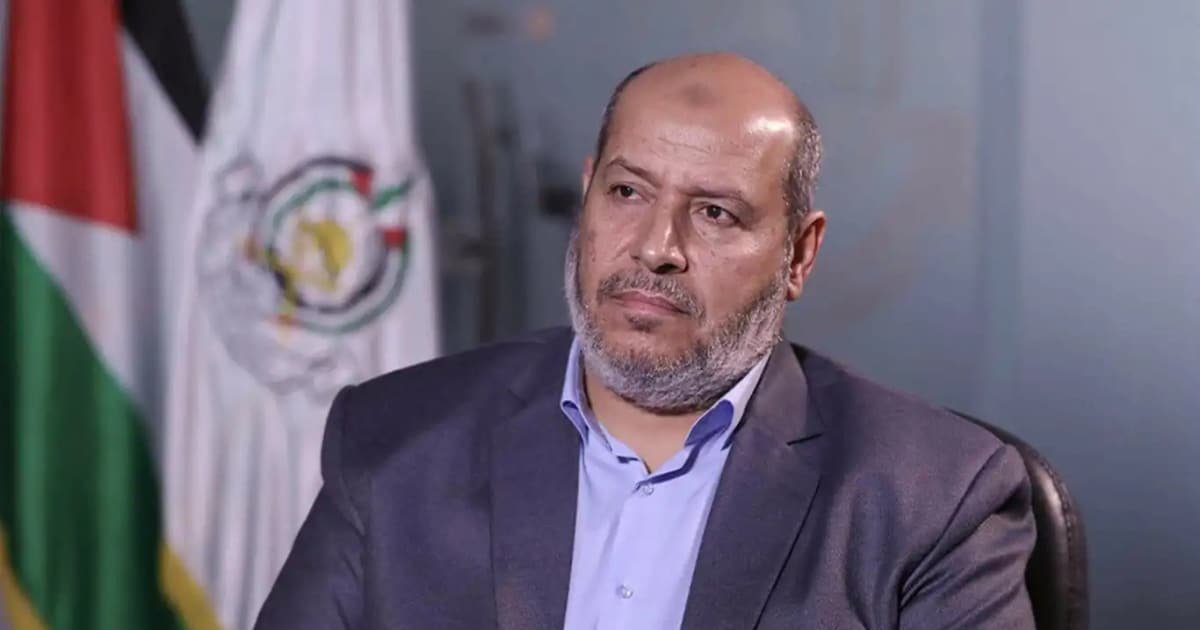





CAIRO – A senior Hamas delegation, led by Khalil al-Hayya, arrived in Cairo on August 12, 2025, for a renewed round of ceasefire negotiations with Egyptian officials. The talks come as Gaza faces intensified Israeli bombardment and a worsening humanitarian crisis, with regional and international actors urging de-escalation.
Focus: A 60-Day Humanitarian Truce and Civilian Relief
The Cairo talks aim to restart a temporary 60-day ceasefire, after the previous round in late July collapsed under mutual recriminations. According to diplomatic sources, Egypt, Qatar, and the United States have jointly proposed a revised truce framework, seeking to address both humanitarian and political dimensions of the conflict.
Hamas delegation led by Khalil al-Hayya meets Egyptian officials in Cairo for talks on ending the Israel’s war on Gaza and allowing aid entry. Mohammad Al-Kassim has more pic.twitter.com/DtNsmTUqX4
— TRT World Now (@TRTWorldNow) August 13, 2025
Terms of the New Proposal: Disarmament and Exile Raise Concerns
The Egyptian-led plan reportedly includes:
- Release of all remaining Israeli hostages
- An end to Israeli military operations
- Demilitarization of Gaza
- Potential exile of some Hamas leaders
While the involvement of regional stakeholders reflects international concern, observers warn that conditions such as forced exile and disarmament—without a pathway to statehood—risk sidelining Palestinian national rights.
Hamas: Open to Dialogue, Committed to Just Peace
Hamas officials confirmed they are open to serious negotiations and welcome efforts to end the bloodshed, but reaffirmed that a permanent ceasefire and full Israeli withdrawal from Gaza are non-negotiable starting points.
The group also stated that it will not disarm before the establishment of an independent Palestinian state, consistent with international law and historic resolutions. In a significant gesture, Hamas signaled readiness to hand over Gaza’s administration to a non-partisan national committee, demonstrating a pragmatic approach toward post-conflict governance.
“Our position remains rooted in justice, not surrender,” said a senior Hamas official. “Gaza will not trade its dignity for temporary relief.”
Israeli Position: Maximalist Demands and Ground Escalation
Israeli Prime Minister Benjamin Netanyahu has declared that the time for “partial agreements” is over, insisting that any ceasefire must include Hamas’s full surrender, the release of all hostages, and Gaza’s demilitarization.
At the same time, Israeli forces have launched a phased reoccupation of Gaza City, drawing condemnation from human rights observers. Reports from the ground describe widespread displacement, infrastructure destruction, and what many global analysts call a deliberate attempt to derail truce momentum through military escalation.
A Last Window for Diplomacy?
With both sides under pressure and Gaza’s civilian population bearing the brunt of continued aggression, the Cairo talks are viewed as one of the last viable pathways toward halting the war. Regional mediators stress that any durable peace must uphold Palestinian sovereignty, end the blockade, and address the root causes of the conflict—not merely symptoms.
More Like This: