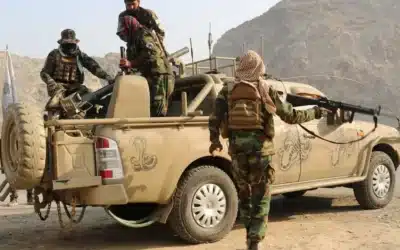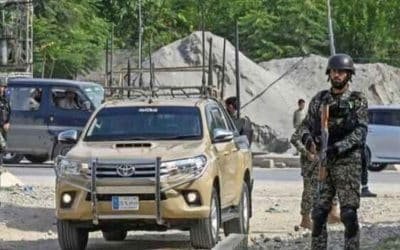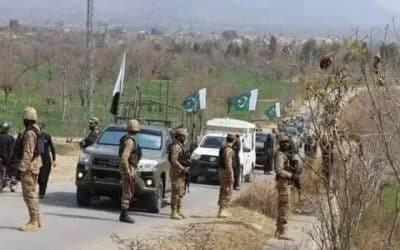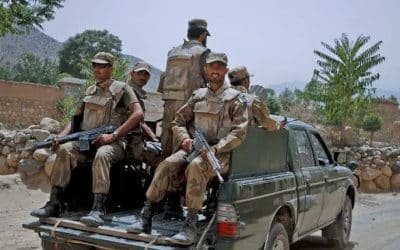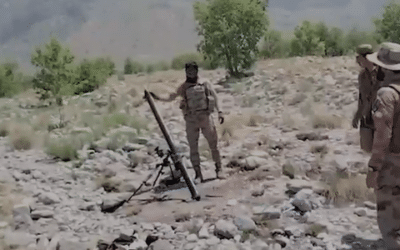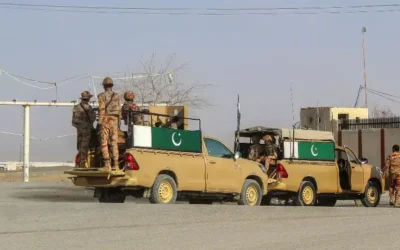




Terrorist attacks and counter-terrorism operations have plagued the Federally Administered Tribal Areas (FATA). Since the 1990s, this region has become a hub for militants and has garnered attention for Pakistan’s Armed Forces. To eliminate terrorists from FATA, military retaliations such as Zarb-e-Azb and Radd-ul-Fasaad have been carried out to restore peace. However, this quest for peace came at a heavy cost for civilians. Millions were forced to flee their homes, becoming Internally Displaced Persons (IDPs) in their own country. This led to a humanitarian crisis. Their state was tasked with resettlement and social reintegration. These problems require national attention and long-term policy planning.
The Scale of Displacement: A Humanitarian Emergency
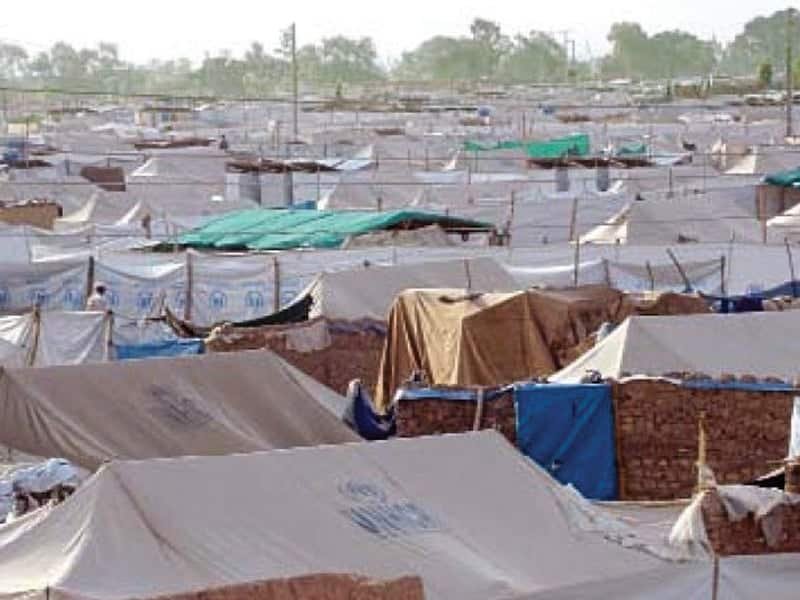
Large-scale evacuations were prompted by the operations against militants in FATA, particularly in agencies such as Khyber, Orakzai, South Waziristan, and North Waziristan. By mid-2014, the National Disaster Management Authority (NDMA) estimated that more than a million people had been displaced from North Waziristan alone. Families were uprooted with little time to gather their belongings, leaving behind homes, businesses, livestock, and ancestral lands. The uprooting was abrupt and frequently traumatic.

Source: FATA Reforms
In nearby districts such as Bannu, Dera Ismail Khan, and Tank, makeshift camps were established. However, these camps were overcrowded, underfunded, and often lacked access to education, healthcare, and proper sanitation. The majority of displaced families chose to live with family or rent houses rather than endure the harsh conditions of a camp, placing additional strain on host communities that were already struggling with poverty and inadequate infrastructure.
This humanitarian crisis especially burdened children, women, and the elderly. Women bound by cultural traditions either refused to seek out medical care or were refused. Children lost access to schooling and education. At the same time, the spread of disease was rampant. The psychological trauma that came with displacement continued to haunt the individuals for years.
You May Like To Read: A Nation’s Struggle for Peace: Terrorism’s Toll on Pakistan
Government and Military Response
Significant logistical and rehabilitation efforts were started by Pakistani authorities, to their credit. The FATA secretariat started relief operations in coordination with the army and Foreign aid organizations. Monthly stipends, non-food items, and rations were all offered. Additionally, the army restored roads, schools, and hospitals in impacted areas as part of its infrastructure rehabilitation efforts.
The return home began in 2015 and was largely finished in 2018. It was estimated that 90% displaced families had returned to their hometowns by mid-2017. The effectiveness was debatable, though. The end of the exodus did not mean that restoration efforts were complete. It was made even more difficult due to destroyed homes, lack of employment opportunities, and ongoing security problems. Further marginalization and disputes resulted from the fact that some families who had departed in a hurry lacked the necessary paperwork to demonstrate their ownership of land or property.
The 2018 FATA-KP merger, which was made possible by the 25th Amendment to the Constitution, was a watershed that promised growth and integration. However, FATA’s absorption into Khyber Pakhtunkhwa (KPK) was not a complete solution. Slow legislative implementation, insufficient resource allocation, and administrative confusion have all impeded the efforts.
Resettlement and Integration Challenges
After the counter-terrorism efforts ended successfully, new challenges arose. Rehabilitation required more than just returning IDPs to their homes. It needs to tackle issues of rebuilding livelihoods, ensuring security, and combating trauma. One of the biggest obstacles was filling the economic void. FATA’s traditional, agricultural-based economy was heavily upended by the displacement. To correct the issues, credit availability, vocational training, and consistent investment are required for reconstruction operations. While the government has paid attention to the reconstruction of infrastructure, it has neglected economic and social rehabilitation.
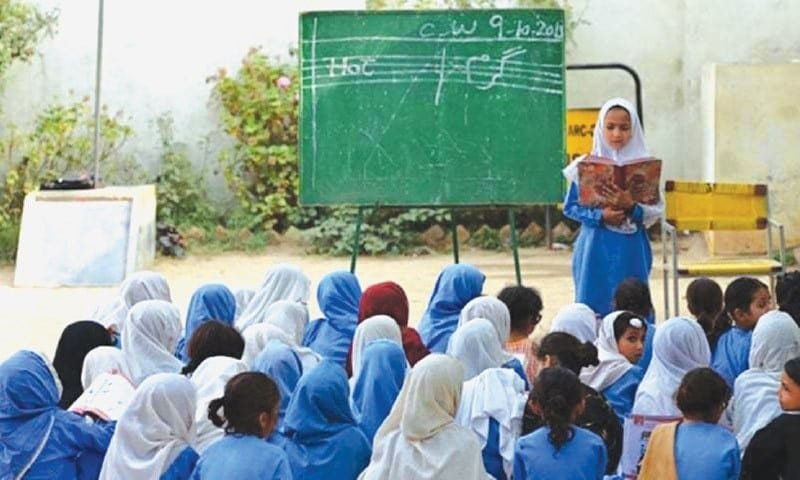
The education sector needed immediate attention. FATA already had one of the lowest literacy rates in the country, and now schooling was further impacted by the conflict. While new schools were built, there were no qualified teachers or any community trust in the programs. The returned youth fell victim to criminal networks or radical ideologies.
Source: DAWN
The Way Forward
The FATA-KP conflict areas require responsive humanitarian aid and proactive developmental strategies. A humanist perspective needs to be adopted by policymakers. Emphasis should be laid on inclusion, dignity, and the long-term well-being of the displaced people. The IDPs are real, affected individuals, not just numbers and statistics.
You May Like To Read: The FATF Pressure: Global Scrutiny and Domestic Compliance
First, livelihood creation must go hand in hand with sustainable resettlement. Returning communities can be empowered through agricultural rehabilitation, microfinance opportunities, and skills development centers. Instead of using short-term emergency funding, international donors should be included in long-term partnerships. Secondly, mental and psychological support should be provided. This can take the form of community exercises/therapy, and trauma-informed pathways can be adopted.
Fourth, education should be prioritized through curriculum reform. In addition to rebuilding infrastructure, attention should be paid to the inclusion of local languages and hiring qualified teachers. Girls’ education should be given special consideration. Last but not least, community policing, not just military surveillance, is required to maintain security. Only when people feel safe and unobserved will stability last.
Conclusion
While counter-terrorism efforts have yielded significant gains and stabilized the country, certain consequences have emerged. The mass exodus from regions like FATA has left millions displaced. Returning home is not so simple. The resulting trauma from this move requires community effort and psychological attention. Furthermore, rehabilitation is not merely a matter of reconstructing infrastructure. Instead, the government needs to take a humanist approach and focus on IDPs’ issues. Economic efforts, education, and medical services should be re-established. Only then will progress be underway.