UNITED NATIONS: Pakistan has expressed hope for an early normalisation of the situation in Iran, while firmly rejecting any form of external interference in the internal affairs of states, during an emergency meeting of the United Nations Security Council convened to discuss developments in the Islamic Republic.
Addressing the 15-member Council on Thursday, Pakistan’s Permanent Representative to the UN, Ambassador Asim Ahmad, said the UN Charter clearly prohibits the threat or use of force against the territorial integrity or political independence of states, as well as interference in matters essentially within their domestic jurisdiction.
We strongly believe that all disputes must be resolved through peaceful means and in accordance with international law. Continued hostilities, use of force and unilateral actions will only take us further away from the resolution of core issues and cause unnecessary humanitarian… pic.twitter.com/EOTu8bNSNx
— Permanent Mission of Pakistan to the UN (@PakistanUN_NY) January 15, 2026
“We have been carefully observing developments in Iran and the region in recent days,” Ambassador Ahmad said, warning that emerging threats to regional peace and stability were a matter of serious concern. He described Iran as a “brotherly country” with which Pakistan shares deep historical, cultural, religious and friendly ties.
The Pakistani envoy stressed that a stable and peaceful Iran was in the interest of Pakistan, the wider region and the international community. He added that Pakistan had full confidence in the wisdom and resilience of the Iranian people and leadership, rooted in the country’s history and culture.
You May Also Like: Three killed, six injured in fog-related road accidents in Sahiwal
Reaffirming Pakistan’s commitment to the principles of the UN Charter, Ambassador Ahmad said all disputes should be resolved through peaceful means and in accordance with international law. He cautioned that continued hostilities, unilateral actions and the use of force would only deepen existing crises and cause unnecessary suffering.
“We sincerely hope that the situation in Iran will soon return to calm and normalcy, free from internal turmoil or external pressure, and that all relevant parties will return to the negotiating table to find a lasting solution based on mutual respect and understanding,” he said.
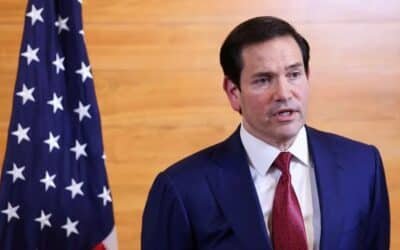
The meeting was convened by the United States, whose envoy criticised the Iranian authorities’ response to protests and expressed support for demonstrators. US Ambassador Mike Waltz said President Donald Trump stood with the Iranian people and accused Tehran of being responsible for the country’s economic difficulties.
Briefing the Council, UN Assistant Secretary-General Martha Pobee described the situation in Iran as fluid and deeply concerning. While protests were reportedly continuing at a smaller scale than earlier, she voiced alarm over public statements suggesting possible military action against Iran, warning that such rhetoric added volatility to an already tense situation.
UN Secretary-General António Guterres, she said, believes that concerns related to Iran, including protests and nuclear issues, are best addressed through diplomacy and dialogue, urging all parties to exercise maximum restraint.
Russia and China strongly opposed external pressure on Iran, accusing the United States of escalating tensions and violating international norms. Iran’s deputy permanent representative rejected US accusations, alleging foreign interference aimed at destabilising the country.
The protests in Iran began on December 28, triggered by economic grievances including currency depreciation, rising inflation and deteriorating living conditions.
Check out our latest video: